


Living in Australia, it is hard to imagine the uncertainty faced by almost one million people living in the world’s biggest refugee camp in Bangladesh.
However, Latrobe Valley local and leading Red Cross nurse Nola Henry says Rohingya refugees escaping from violence in their home country of Myanmar really aren’t that different from Australians.
“They don’t want anything different to us,” she said.
“They want their children to be healthy, to be educated, but they start from a base that is impossible for us to imagine.”
Having done more than 13 stints working in countries including Libya, Afghanistan and South Sudan, Ms Henry recently returned from Bangladesh where she worked in the paediatrics section of a Red Cross emergency field hospital located next to the fastest growing refugee camp in the world.
“Because of the situation in Myanmar for this ethnic group, they are not really considered citizens of their country, they are not registered in the census so they are denied everything that goes with being a citizen, [including] healthcare, education,” she said.
“They come in [to the hospital], their child is in a bed … and they see quickly that they get provided with meals and everything is free.
“In many ways I suppose there was a sense of hope, because … they don’t have access to that at home anyway, so this is very new for them.”
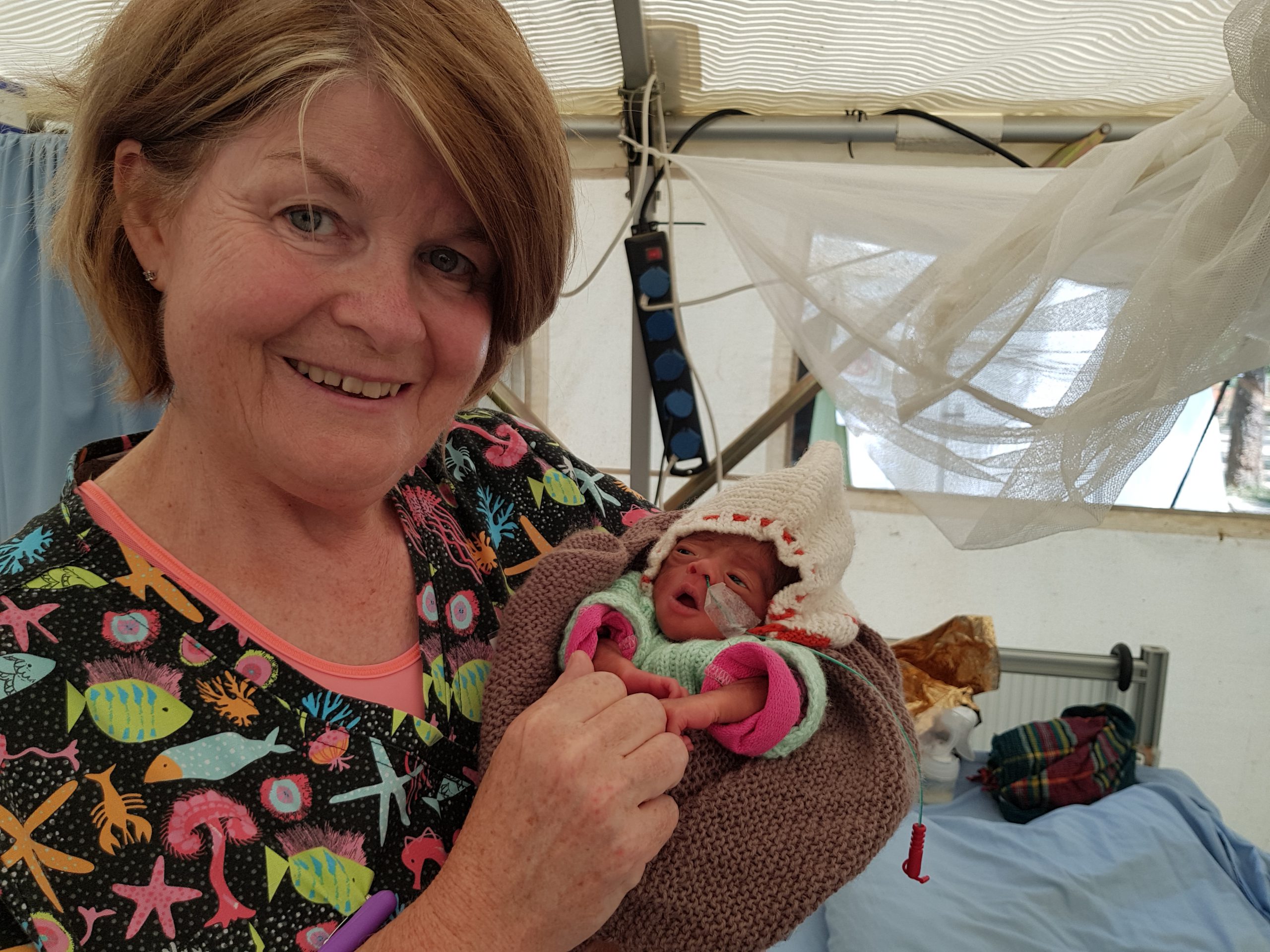
While at the hospital, Ms Henry helped train young, local nurses and recalled a story of a baby being born about three months premature who defied the odds and survived.
“We started off calling him micro-man because he was such a little boy … he was 1.1 kilograms,” she said.
“A 10-week early baby in Australia would be nursed with incubators … we don’t have incubators there.”
The baby was fed through tubes and kept in skin-to-skin contact with his mother and grandmother at all times, and is now six weeks old and weighs 1.5 kilograms.
“It is a snapshot of people’s determination to defy all the odds and just continue,” Ms Henry said.
“You can be overwhelmed by the entirety of what is there, but if you take it each day and start again the next day, everything is manageable in small bits.”
Ms Henry said that while she had experienced hope at the camp, there were no signs of the situation improving in the near future.
“The situation goes on even though the world press focus moves onto something else,” she said.
“We hear about it for a little while and then we don’t, so we think it is over, but doing this kind of work, you realise that you can forget that real people live in these countries.
“The challenge is changing, but they will be severely challenged in the monsoon seasons, there will be mudslides, there always is. Every aid agency is forecasting a massive secondary disaster.”