



By BLAKE METCALF-HOLT
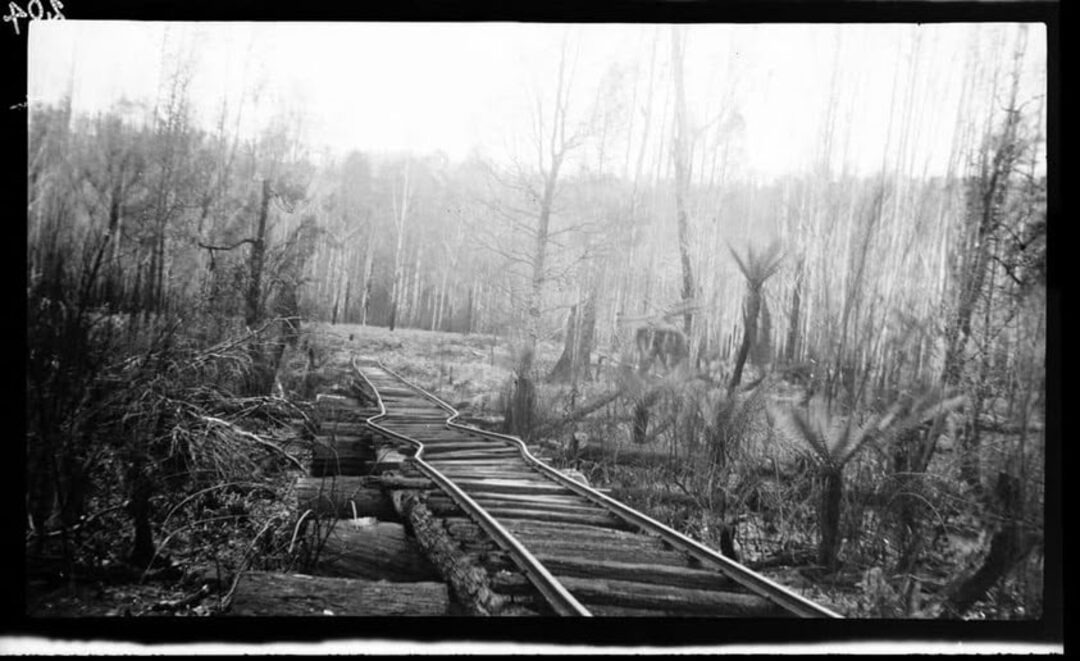
THE Black Sunday bushfires during the 1925-26 fire season devastated the Gippsland community and surrounding regions.
More so, today – Wednesday, February 18 – marks 100 years since the Yallourn open cut caught ablaze.
Fire outbreaks occurred across the Latrobe Valley in the Moe and surrounding areas in the days beforehand, spreading through Walhalla towards Fumina and Erica.
The coal face at Yallourn then ignited, subsequently seeing fire rapidly descend towards both Yallourn and Brown Coalmine (now Yallourn North) townships.
Both towns were considered to be in danger for a period of time, whilst around 40,000 English pounds of damage was inflicted on the power station machinery.
Spot fires also occurred in the vicinity of the Yallourn mine fire, with one breaking out on an old road between the mine and Morwell, where some SEC worker’s houses were situated and ultimately damaged.
These events followed what would later been known as Black Sunday (February 14, 1926), where bushfires swept through Gippsland, the Yarra Valley, Dandenong Ranges, and the Kinglake area.
A total of 60 people died with a further 700 injured, while three lives were claimed in Erica and a further four in Noojee.
Around 1000 buildings were destroyed over the course of Black Sunday.
Reminders of such fire devastation was brought into locals’ consciousness across the close to 45 fateful days of Hazelwood Mine Fire of 2014.
According to Gippsland historian Peter Gardner, fires have occurred in open cuts in 1895, 1902 through 1910, 1926, 1929, 1944, 1977, 1983, 2006, and 2014.