


By AIDAN KNIGHT
GIPPSLANDERS looking to enter the renewable energy workforce could soon be trained in Morwell, after the state government doubled down on Free TAFE funding in this year’s state budget.
The Allan government announced a $459 million investment into skills and training across Victoria, including an additional 15,000 Free TAFE places in 2027 and the establishment of three new TAFE Centres of Excellence.
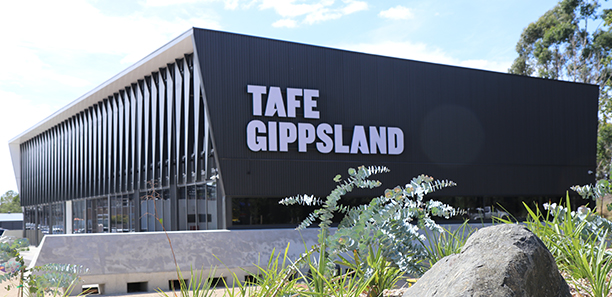
Central to Gippsland’s share of the funding is a $50 million Victorian Renewable Energy TAFE Centre of Excellence to be based at the Morwell campus of TAFE Gippsland.
The centre, announced jointly by the state and federal governments, is expected to focus on training for renewable energy technologies, including offshore wind, smart grids and energy storage systems.
Speaking at the budget lockup attended by the Latrobe Valley Express, Treasurer Jaclyn Symes said the investment was aimed at preparing regional communities for future industries.
Also pushed is the state government’s implementation of specific blended and virtual learning initiatives in Gippsland, primarily focused on expanding access to VCE subjects and vocational training.
The budget told of a $2.7 million pilot program for a blended learning model in Morwell. This program is designed to allow VCE students to access virtual subjects, ensuring that students in regional areas have the same curriculum breadth as those in metropolitan schools.
For TAFE Gippsland, the investment is expected to expand training opportunities tied directly to the state’s energy transition, while also increasing access for students in smaller and regional communities through online and hybrid delivery.
The renewable energy centre is anticipated to support partnerships between TAFE Gippsland, industry and energy providers, with training pathways linked to projects planned across the Gippsland region, including offshore wind developments off the coast of Gippsland.
The state government says the broader Free TAFE expansion will continue to remove financial barriers for students entering priority sectors, including construction, care, digital technology and clean energy industries.