



By PEACE IJIYERA
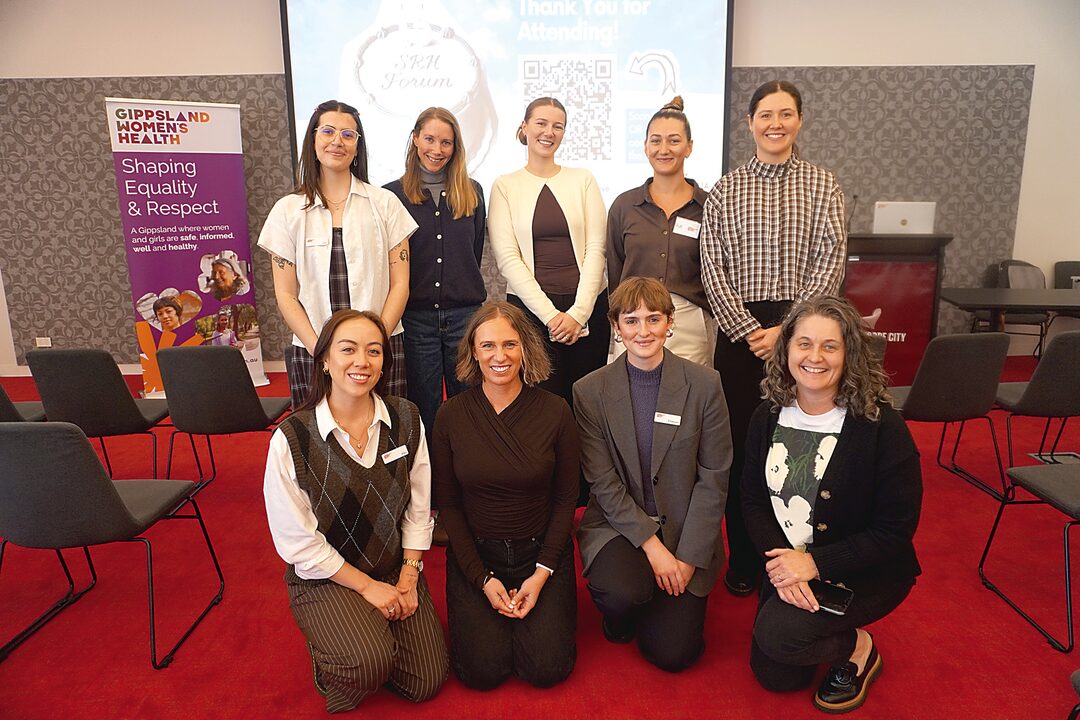
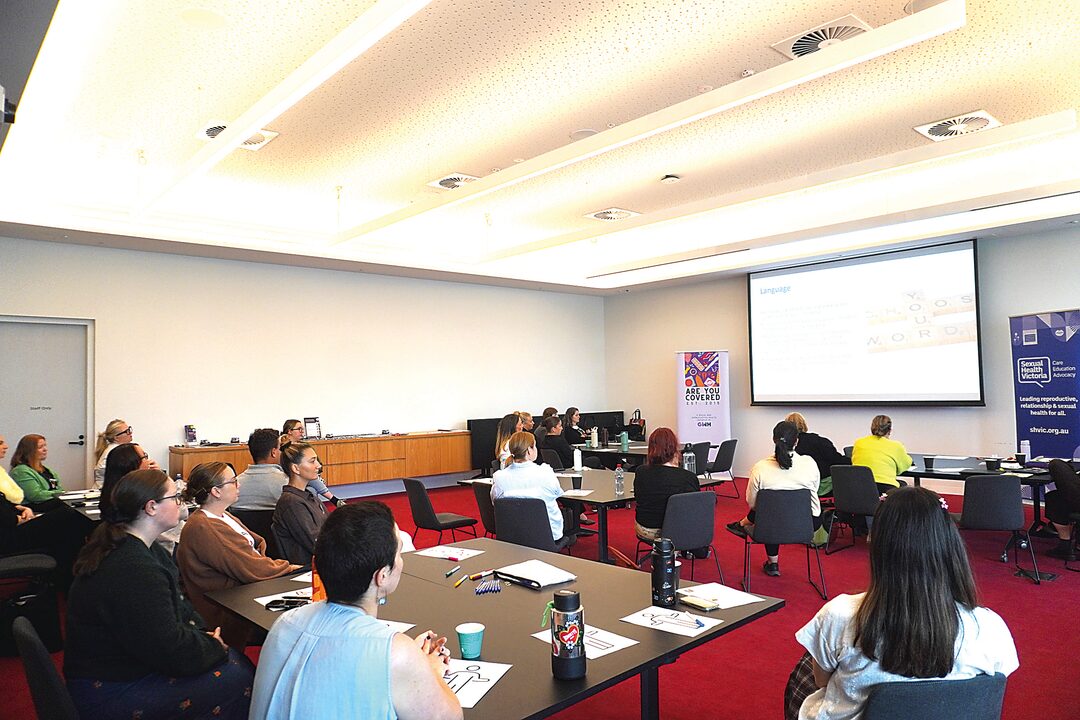
THE 15th annual Gippsland Sexual and Reproductive Health Forum was held on May 14 at Gippsland Performing Arts Centre (GPAC).
Hosted by Gippsland Women’s Health (GWH), around 50 people came to the professional development day to gain knowledge on sexual and reproductive health to take back and implement into their work, or have for personal use.
This year’s forum focused on “advancing sexual and reproductive health and wellbeing in Gippsland”, and highlighted the work done in recent years to see that happen.
GWH chief executive, Kate Graham, greeted attendees and gave a presentation reflecting on the past 15 years of the work done in sexual and reproductive health.
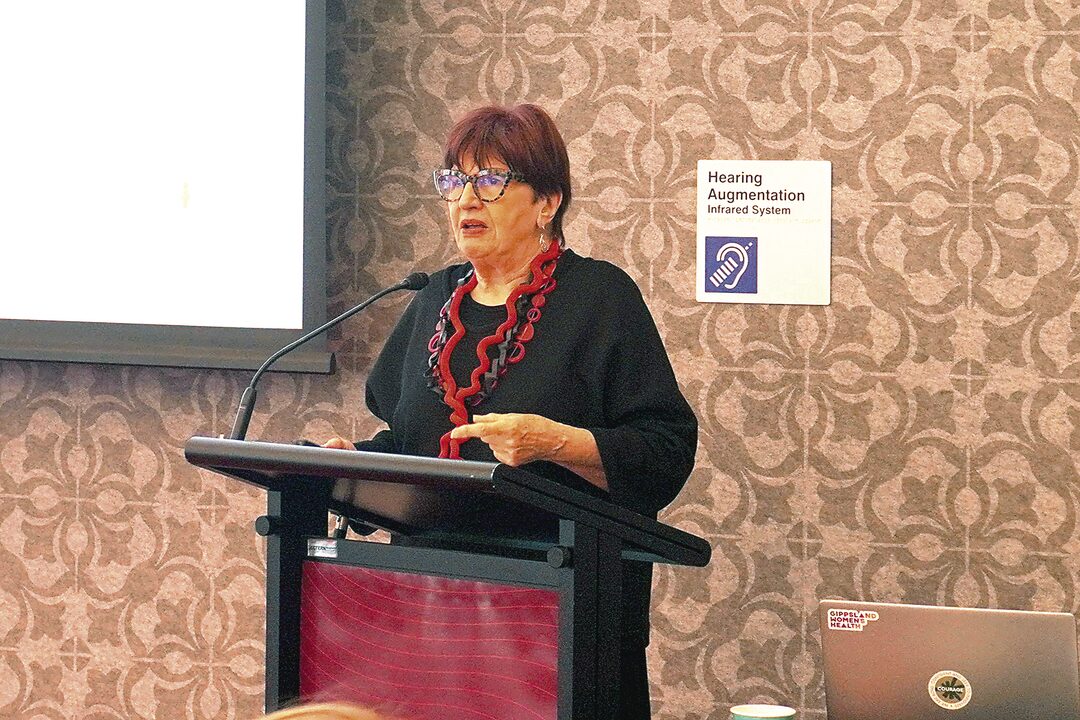
Ms Graham also showcased the latest issue of the Are You Covered magazine. This year’s magazine had a focus on disability. Ms Graham says all people involved in the creation of the magazine are “really proud”, and thanked Women with Disabilities in Victoria, and Gippsland Centre Against Sexual Assault (GCASA) for its collaboration.
Looking through the archives, Ms Graham took the audience through the strategies and goals that were set in the early years. From 2013 to 2021, the strategic objectives included:
- Reduce adolescent birth rates;
- Reduce chlamydia rates;
- Improve access to medication abortion;
- Improve access to contraceptives and fertility control;
- Improve knowledge of practitioners and develop a trained and skilled workforce (including medication abortion);
- Improve access to and the delivery of sexuality education, including respectful relationships;
- Increase communication and social marketing via social media, and;
- Increase surgical abortion at Gippsland public hospitals.
Some of the strategic objectives were achieved. Highlighted was the reduction seen in adolescent birth rates. In 2011, there was a 27.8 per 1000 rate of adolescent births in Gippsland, making it the highest in the state. With the most recent data from 2020, those rates dropped to 12.4 per 1000. Ms Graham described the drops seen as “profound”.
Also highlighted was the improved access to medication abortion providers in Gippsland. As of this year, there are 17 providers, compared to zero in 2013. Ms Graham and the team at Gippsland Women’s Health, Sexual & Reproductive Health continue to work to see more access and public hospital listings of surgical abortions in Gippsland.
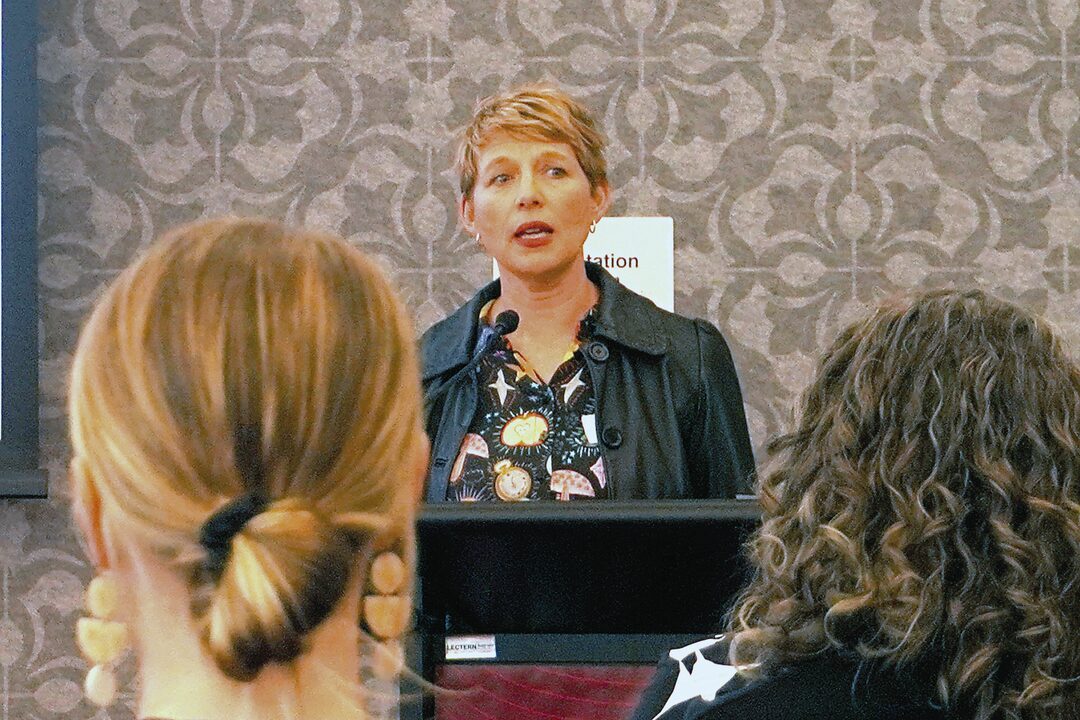
Bairnsdale West Primary School representatives were in attendance and gave a presentation highlighting their school’s work in introducing and sustaining Relationships and Sexual Education (RSE) in their classrooms over the past 10 years.
Workshops were also held. One workshop discussed perimenopause and menopause. Another discussed RSE, pleasure and how to spot mis and disinformation around sexual and reproductive health online.
After a healthy lunch, attendees gathered for the final session, delivered by Dr Elizabeth Farrell AM.
Dr Farrell wears many hats, and has been instrumental in seeing education around women’s health increase.
In 2009, she was recipient of the Member of the Order of Australia (AM), which recognised her work in women’s health, gynaecology and obstetrics. Dr Farrell was born in Foster, and grew up in Fish Creek.
Her presentation titled, Women are not small men discussed the pioneering women in Gippsland and the importance of researching into women’s health.
“We’re not small men, we need to be included in all aspects of health. So heart disease, diabetes, whatever. Women need to be included in the research, so we know and find out if women behave differently,” she said.
An aspect of women’s health that is often considered under researched is Polyendocrine Metabolic Ovarian Syndrome (PMOS), formally known as Polycystic Ovary Syndrome (PCOS). The name has been changed in recent weeks after years of advocacy and research. Dr Farrell welcomed the change, saying “it’s more realistic”.
“Yes it’s still an ovarian syndrome, but it’s to do with a much more global aspect,” she said.
“It’s incorrect to say polycystic ovaries, cause they’re not polycystic, they’re not cysts, so when you do a scan, you see lots of eggs, but they’re not cysts. So it’s taking the focus away from the ovary and giving it a definition of what it actually is.
“It’s more accurate, because it’s endocrine so it’s to do with hormones, it’s to do with metabolism, so it’s to do with sugar, cholesterol, insulin, all those things.
“It also has changes in the ovaries like the multiple follicles which you don’t see in non PMOS women. And so from that point of view, it actually states what the condition is and the multiple aspects of it.”
Dr Farrell also spoke about her involvement in founding Jean Hailes, an organisation honouring the life of Dr Dorothy Jean Hailes AM, who is described as “a pioneering Australian GP who dedicated her career to improving women’s health.”
Ms Hailes is known for her quote, “if a woman is in good health, her family, community and the society around her also benefit”.
Dr Farrell described Dr Hailes as someone who “cared about women”, her particular interests in perimenopause and post menopause.
In 1971, Dr Hailes opened the first menopause clinic in Australia, at Prince Henry’s Hospital in Melbourne and opened a second one at the Royal Women’s Hospital a few years later, both of which are still in operation today (the Prince Henry’s clinic now operates out of Monash Medical Centre). She was awarded an AM in 1986 and was posthumously admitted to the Victorian Women’s Honour Roll in 2012.
Following her death in 1988, Dr Farrell and her colleagues decided to “set up a foundation in Jean’s honour to further her pioneering work”.
In 1992, the first Jean Hailes clinic was opened in Clayton, which has since closed.
A city clinic was opened in 2015, and all Jean Hailes operations are now run from their Flinders Street location.
GWH continues to facilitate change in Gippsland.
For more information, visit: https://gwhealth.asn.au/