




By STEFAN BRADLEY
THE case of Gippsland’s notorious mushroom murderer, Erin Patterson, is not done yet, with the Leongatha woman set to face court again on August 19 and 20 for appeals.
These are separate appeals by the defence, and by the prosecution, set to be heard at the same time on these dates as listed by the Court of Appeal.
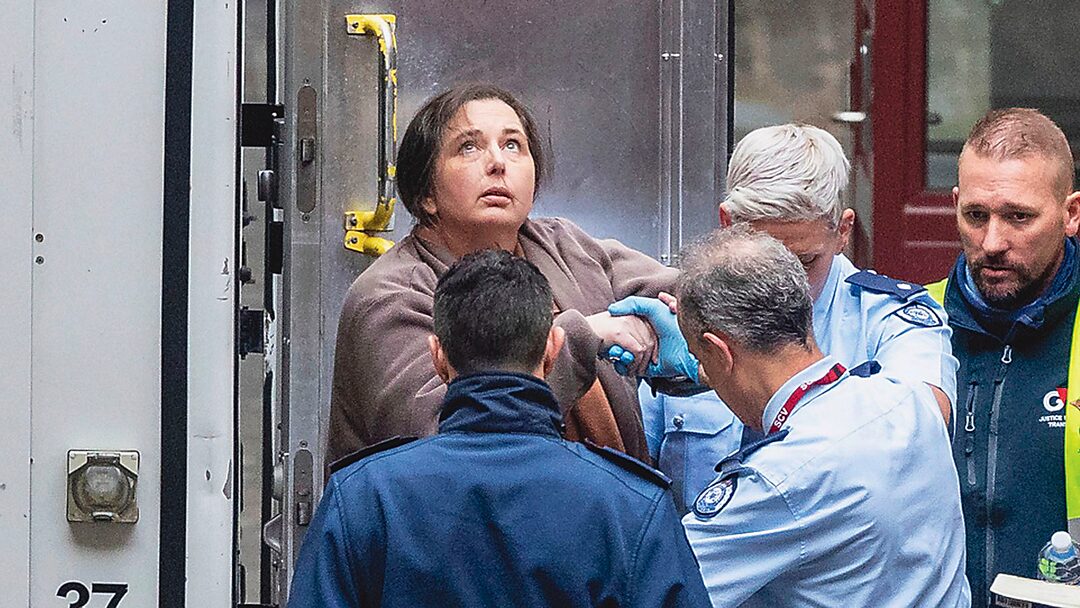
Patterson, a Dame Phyllis Frost Centre prisoner, is serving a life sentence with a 33-year non-parole period, including time served for murdering her in-laws Don and Gail Patterson, and Heather Wilkinson, and for the attempted murder of Ian Wilkinson.
Including time served, she will be 82-years-old if she’s released in 2056.
Patterson’s lawyers aim to quash her conviction and deliver a re-trial.
Last November, she outlined her grounds for leave to appeal.
She said a “fundamental irregularity occurred” while the jury was sequestered to consider its verdict. It has been reported since the guilty verdict that police and media were staying at the same hotel as the jury.
She also argued about the relevant value of phone tower evidence and death cap mushroom sightings in the towns of Loch and Outtrim listed on the iNaturalist website; and also of the relevance of the “Facebook evidence” from her Facebook messages and Facebook friends. She said all this evidence should have been excluded from the trial and that “the admission of that evidence occasioned a substantial miscarriage of justice”.
Patterson claims Justice Christopher Beale “erred” by not allowing images and videos “related to mushrooms and found on an SD card at the application’s home was inadmissible”.
Taking aim at prosecutor Dr Nanette Rogers, Patterson said “unfair and oppressive cross-examination of (Patterson)” and Dr Rogers’ closing address caused a substantial miscarriage of justice.
The notice ends focusing on the prosecution putting a case for the accused’s motive.
“A substantial miscarriage of justice occurred because despite opening the case for the prosecution on the basis that there was no evidence of motive the prosecution in its closing address changed its case by implying that there was, in fact, a motive for murder,” the notice reads.
As for the other side, the prosecution appealed against Patterson’s sentence on the grounds the punishment was not harsh enough.
Patterson was spared the harshest penalty of a life sentence with no parole, with Justice Beale citing the harsh prison conditions she is currently enduring as such an infamous prisoner.
But prosecutors claim Justice Beale “erred” during sentencing and that Patterson’s punishment was “manifestly inadequate”, and that it was “inappropriate” to fix a non-parole period.
The Supreme Court trial was held at the Latrobe Valley Law Courts in Morwell last year and attracted unprecedented media coverage worldwide.