



By KATRINA BRANDON and PEACE IJYERA
THE 2026 Gippsland New Energy Conference welcomed key stakeholders and industry partners for three days of informative talks as the region looks to the next crucial phase of energy production.
This year’s conference was held at the Gippsland Performing Arts Centre from August 18 to 20.
Traralgon has hosted the last four conferences.
Gippsland Climate Change Network Chief Executive Darren McCubbin facilitated the event, welcomed everyone, and highlighted that since the first Gippsland New Energy Conference in 2022, new energy projects have gone from concept to construction.
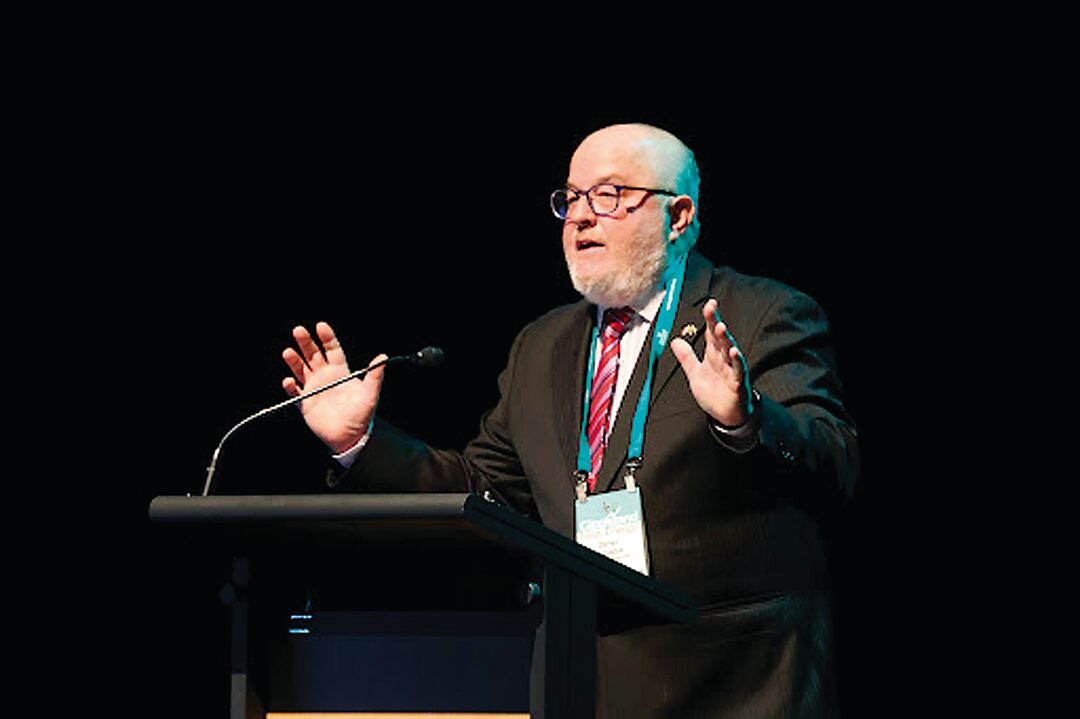
Latrobe City Mayor Sharon Gibson also welcomed conference attendees, and reflected on Latrobe’s energy history.
“Over the years, we’ve looked at many, many different technologies, and as you just heard, some of them are in the pipeline now, and they’re actively on the ground. So that’s a really great start,” she said.
“We have been at the forefront of giving the state energy for over 100 years, and we look forward to being part of that equation for many years to come.”
South Gippsland Shire Council Deputy Mayor, Brad Snell, welcomed the addition of “new energy” technology and the benefits it will bring to the area, particularly for the local economy and the continuation of jobs.
Other speakers on day one included Gabrielle Byzantine (EU Ambassador to Australia), Pablo Gundero (team leader of International Urban and Regional Cooperation Asia and Australasia), state Minister Jaclyn Symes (Minister of Energy, Resources and State Electricity Commission), Tom McIntosh (Minister for Eastern Victoria Region), and Jacie Trad (chief executive of the Clean Energy Council).
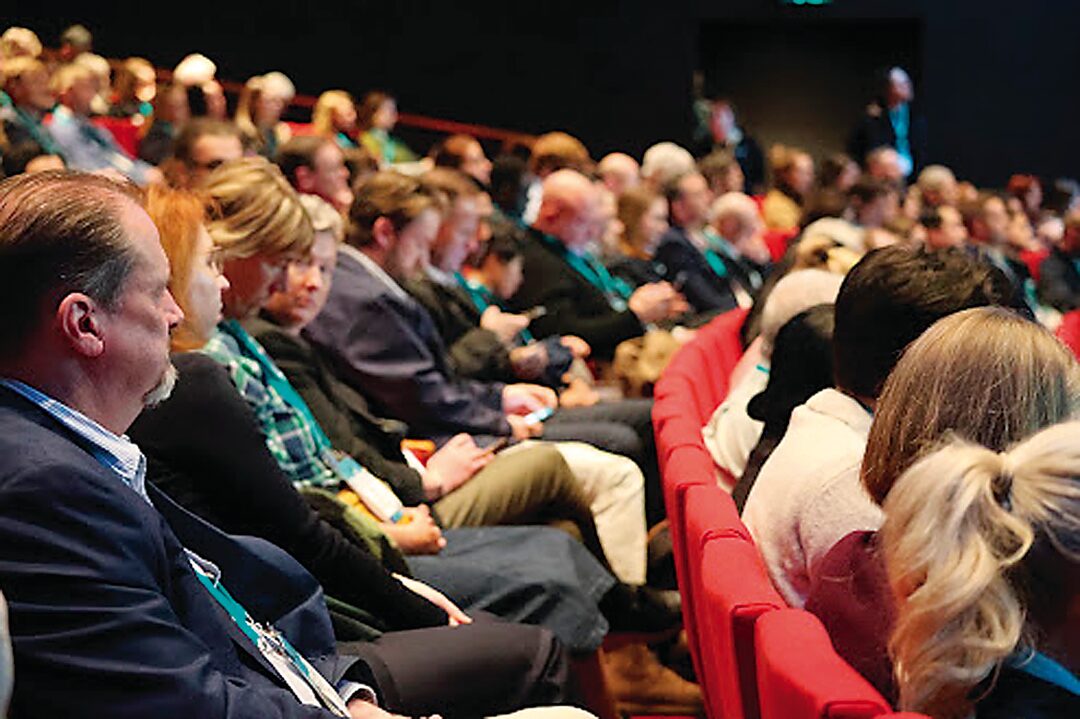
Attendees were able to join sessions held as panels or by individuals speaking about their contribution to the energy sector.
Topics of conversation delved into the current energy climate, the sector’s future, new technologies, international contributions, making the sector more diverse and flexible in employment, and building on the current industry.
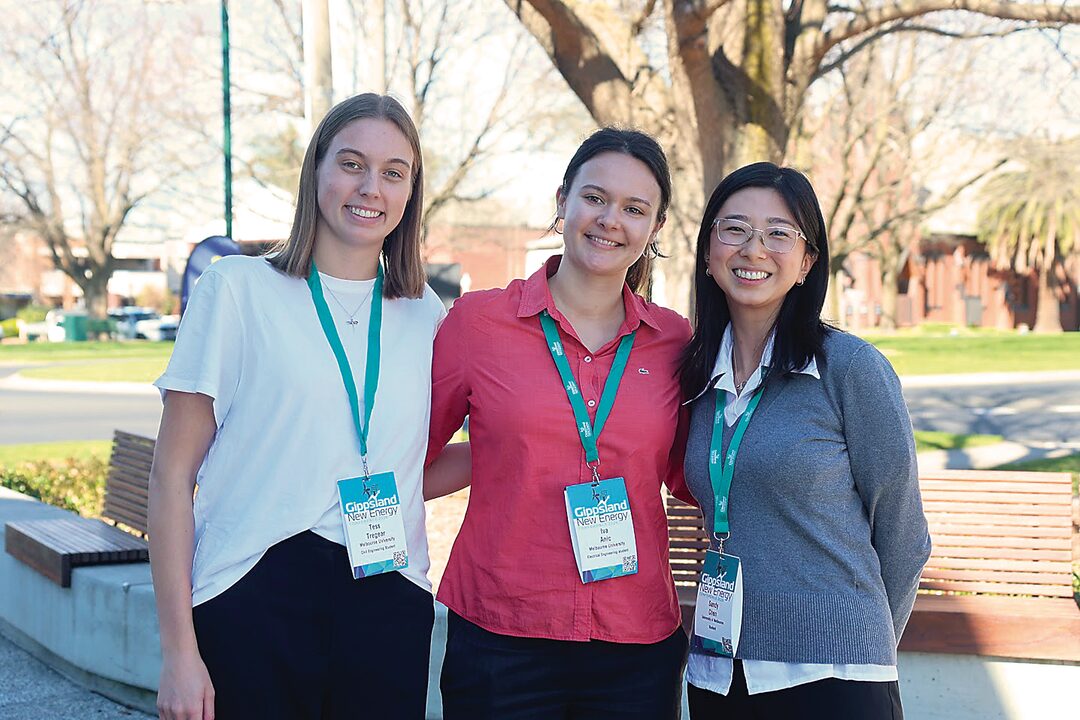
Students from the University of Melbourne, Tess Tregear (Master’s in Civil Engineering), Iva Anic (Master’s in Electrical Engineering) and Sandy Chen (Master’s in Civil Engineering) told the Express that the conference was eye-opening.
DAY two was another jam-packed day full of sessions and opportunities to network and learn.
Member for Eastern Victoria Region, Harriet Shing was on hand to speak about renewable energy, and highlighted Gippsland being an appropriate area and site for renewable projects.
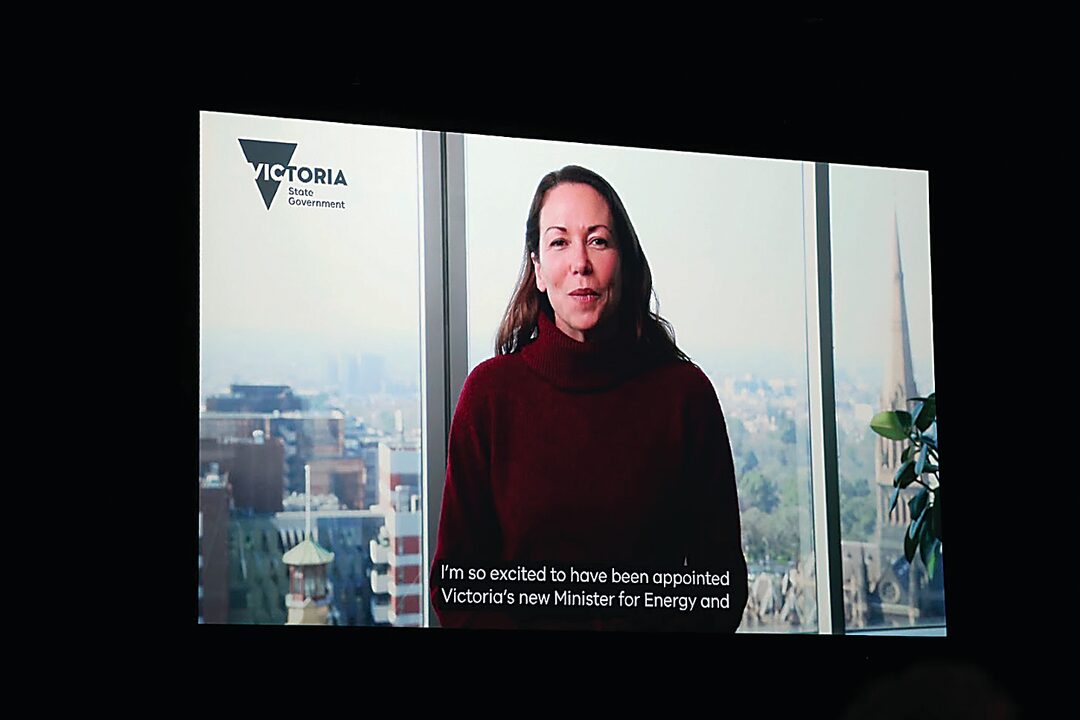
“I’ve been in Parliament now for the last 12 years and I made an announcement to retire at the end of this term in November. And having seen a dozen years in parliament, having seen so much change across the Latrobe Valley, it’s clear that we are on a good path, a sustainable path,” she said.
“So I want to say thank you to every single one of you for being part of those conversations. For never being afraid to have those difficult conversations and not shy away from the challenges of transition and what that means.”
Moderator Kate Foster invited keynote speaker, Hamish McKenzie onto the stage.
Mr McKenzie is the deputy director of the climate and energy program at Grattan Institute. He delivered a three-part presentation around telling a better story about the future of energy and the need for acceleration of “stuff” being built if the target of net zero by 2050 is to be met.
The three points he argued were:
- The second half of the energy transition will be harder than the first;
- To reach net zero and grow the economy, we need to build a lot, and;
- To win the transition, Australia needs a new civic value of building.
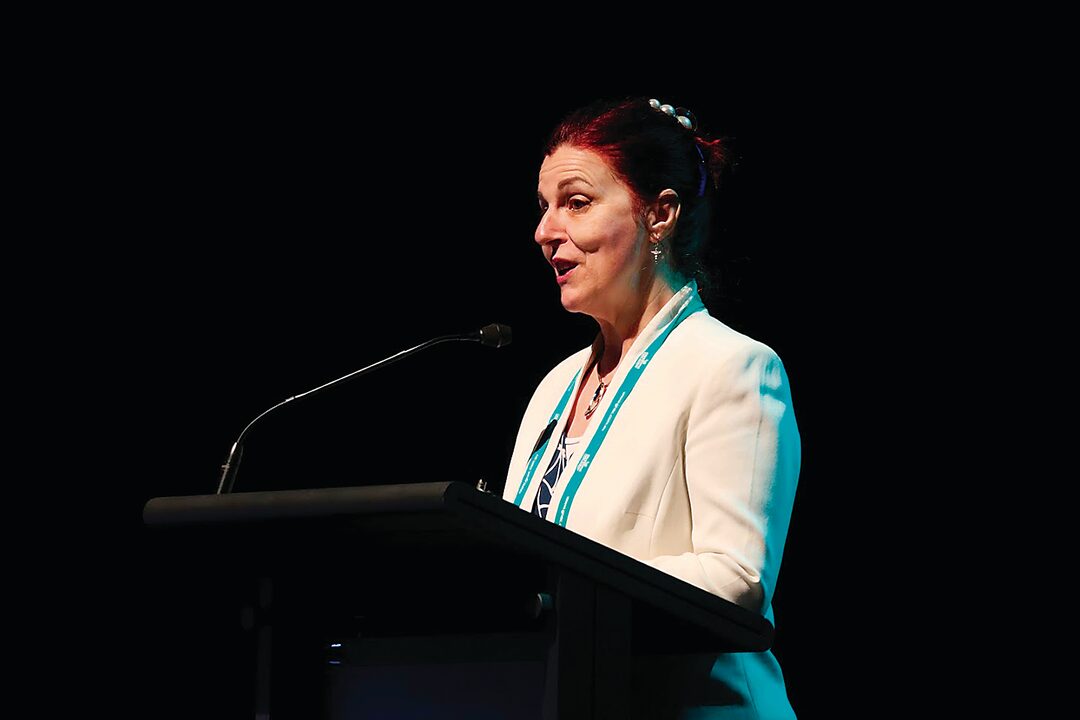
The Express also attended sessions around the future of air technology with drones and other aviation systems by Professor Joanne Porter.
Another session attended was on the $1.5 million Morwell ElectriFAIRcation project. The project by AusNet and Gippsland Climate Change Network (GCCN), is designed to assist households facing financial difficulties to switch from gas to an all-electric home. Another session of interest was around the steps taken to build an inclusive workforce for new energy. On the panel was Gippsland Multicultural Services (GMS) Chief Executive, Carmel Riley, GMS Community Engagement and Partnerships Coordinator, Derya Deniz Demirol, Department of Employment and Workplace Relations Program Officer, Farhat Firdous, Director of Victorian Renewable Energy at TAFE Gippsland, Holly Perriam and General Manager, Strategy and Performance at SEC, Marcus Leong.
Shadow Minister for Energy and Emissions Reduction David Davis also had a session where he spoke about the Coalition’s energy and gas plans.
Other political members present throughout August 19 was National members Melina Bath (Member for Eastern Victoria Region) and Martin Cameron (Member for Morwell).
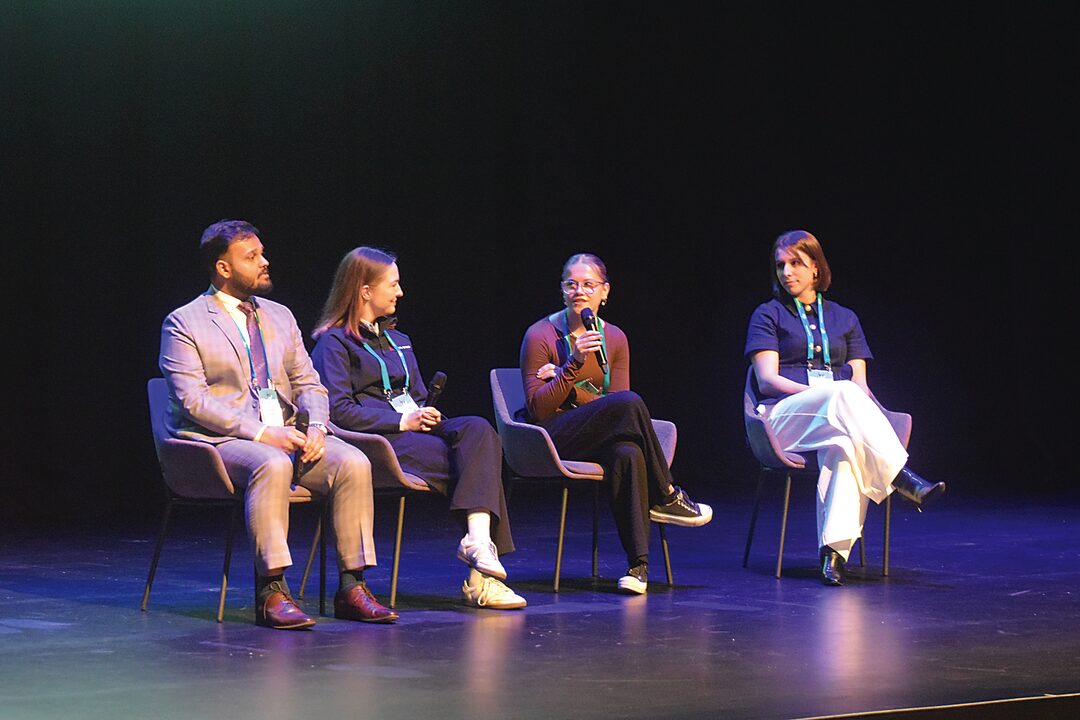
WITH the main energy conference ending on the August 19, The ACOWE Technical Symposium took place on August 20 at Federation University, Churchill.
The event was for academics, industry workers and government to showcase technical research around Australia’s offshore wind developments. This year’s theme was ‘delivering the offshore wind lifecycle in Australia’.
Around 80 people were in attendance as panellists and presenters discussed planning and managing the future of offshore wind.