



By PHILIP HOPKINS
By PHILIP HOPKINS
LATROBE MAGNESIUM has put on hold its plan to develop a magnesium smelter in Morwell but instead will build a huge smelter in the United States due to a dispute over the financial responsibility to rehabilitate Latrobe Valley mines.
The company said in a statement that it is now prioritising its USA-based growth option, with work on the Australian-based commercial operation in the Latrobe Valley to progress pending a favourable resolution to the trailing liability scheme for declared mines introduced by the state government earlier this year.
The trailing liability scheme makes mining companies responsible for cleaning up their mines, even after they sell them or close them down.
The company wants to make sure this law will not cost them too much money before they move forward.
In contrast, the state of South Carolina, where Latrobe Magnesium (LMG) will invest, has offered LMG a substantial incentives package comprising cash incentives, in-kind services and tax holidays which is pending the purchase of the site and the lodging of a formal application.
LMG aims to build a 50,000 tonne per annum primary magnesium metal plant with an option to double that initially to 100,000 tonnes.
The US Department of Energy has determined magnesium as one of 13 commodities carrying the highest supply risk of all US critical minerals.
The US Defence Industrial Base Consortium (DIBC) also recently opened a Request for Project Proposals (RPP) 2 project, with magnesium one of four critical minerals added to the original RPP1 scope.
LMG is responding to this request and submitting its Quad Chart by September 17.
There is no current primary magnesium producer operation in North America and 90 per cent of global supply comes from China.
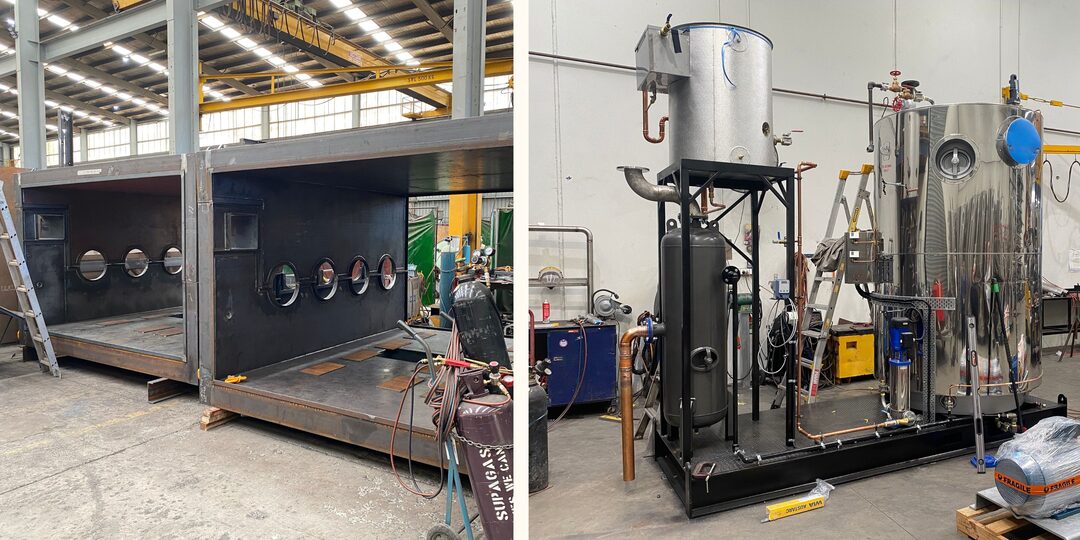
LMG is on the home stretch with construction of its Morwell demonstration plant at 70 per cent completion and closer to the staged commissioning program that would result in the first production of magnesium metal.
Eric Johnstone, writing in The Australian, said the “trailing liabilities” on the environmental clean-up of brown coal mines was one of the biggest sticking points for LMG’s plan to build a commercial plant in the Latrobe Valley.
The rules hold directors personally perpetually responsible for environmental remediation even if a mine site is sold or repurposed.
“That has essentially shut the door on Latrobe’s access to unused fly ash from a nearby mine dam (at Yallourn). It means the existing mine operator’s directors, in this case Energy Australia, would remain personally responsible for Latrobe’s use of the fly ash over decades – even if it shut the mine as planned,” he wrote.
“This risk makes securing feedstock from sources like the Yallourn ash dams commercially unworkable.”
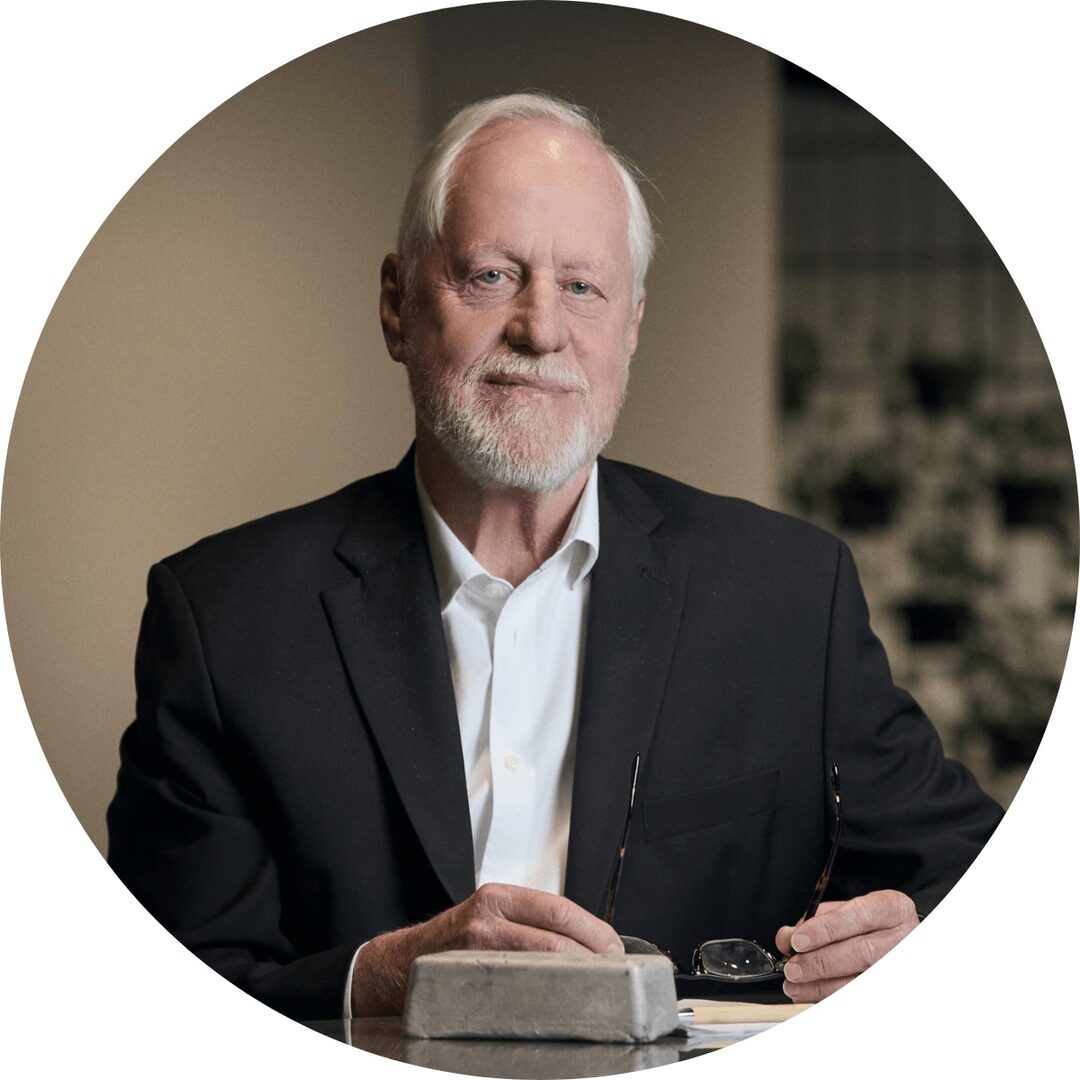
Johnstone quoted LMG’s new chief executive, Robert Stein, as saying: “It really is baffling that policy would be enacted, and that has, in effect, put us on a holding pattern.”
It’s a frustration all around, says Johnstone.
“At its peak, construction would involve 1250 jobs, with running the plant supporting around 150 jobs around the clock – although support and spin-off services would create hundreds more roles in a jobs-starved region,” he says.
“Importantly, it would also generate export income and put otherwise idle industrial waste to use.
“If Latrobe doesn’t gets the green light and secures funding, this opportunity will be heading to South Carolina.”
However, Johnstone says there is a glimmer of hope.
“Stein is still pushing ahead with completing a demonstration plant in the Latrobe Valley, designed to produce just 500 tonnes per annum of magnesium metal. To get a sense of support, all of the demonstration plant’s production has already been allocated to the US market,” he says.
“Latrobe also holds development rights for a mid-sized, but still significant, 10,000-tonne-a-year processing plant in the Latrobe Valley – although this has essentially been put on hold given uncertainty around mine site rules.
“Stein says Latrobe remains committed to the Victorian plant and is continuing talks with the Victorian government. He is hopeful that the South Carolina build could one day de-risk the engineering behind a commercial project.
‘We want to do the project … that’s important for jobs and the regional economy. It’s just that we can’t build a 20-year asset when we don’t have feedstock secured,’ Stein told Johnstone.
LMG has already signed Letters of Intent for a 32,000 per annum of committed demand from US consumers and traders, with substantial backing from the state of South Carolina.
LMG has feedstock already committed for this new facility via LMG’s binding 20-year ferronickel slag Memorandum of Understanding with Société Le Nickel (Eramet) of New Caledonia.
The facility will help meet the United States’ strategic needs for magnesium, including defence, aerospace, automotive and aluminium industries.
Mr Stein said in the company statement that the strategic update was the culmination of years of pioneering and tireless work by David Paterson and the Latrobe Magnesium team. LMG is uniquely positioned to capitalise on this opportunity given the region’s intellectual property and capabilities, which can help solve the United States’ critical magnesium supply gap, Mr Stein said.
“Supported by American enterprise and government, LMG has identified a clear pathway to advance this commercial project, with a clear focus on disciplined execution and shareholder value creation,” he said.
“I’m excited to lead the team on this journey, to continue the work of David and to build a Latrobe Magnesium that is a reliable, safe and sustainable partner to our future customers in the United States, Australia and abroad.”