


By STEFAN BRADLEY
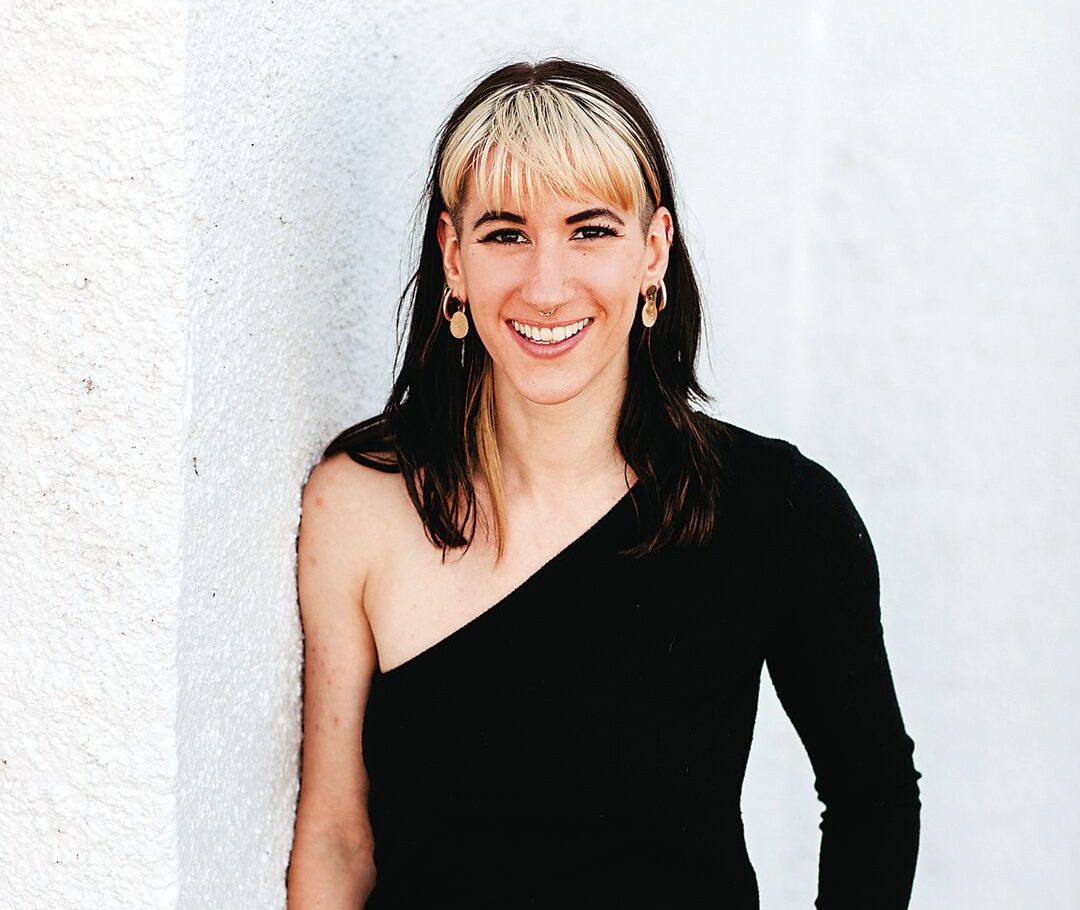
WITH more than 355,000 followers on Instagram alone, Traralgon-based counsellor, integrative therapist and author Anna Ferguson has certainly made a name for herself across Australia and worldwide.
Ms Ferguson is from Melbourne originally before she made the move to Gippsland. Her practice is solely online, with clients from all over the world. She shares practical, holistic mind-body tools to break down barriers and stigma around mental health.
She recently spoke to a local audience in Sale about her new book, 21 Days To A Less Anxious You, a toolkit for harnessing the vagus nerve, somatic healing and the power of the body to soothe physically and mentally.
Collins Booksellers, Sale owner/manger Natasha Hunt told the Express that Ms Ferguson’s previous book, The Vagus Nerve Reset was “massive”.
“I don’t know how she did it, but she got on this trajectory and people related to her. She’s got this massive following and her book The Vagus Nerve Reset just went viral. It went ballistic, we sold so many copies,” Ms Hunt said.
Ms Ferguson said 21 Days, which has been on store shelves for a few weeks, has already received great feedback from readers.
“I am an open book regarding my own experience, but I always want to share as much of my knowledge as possible to support those in need,” Ms Ferguson said. “It is such a privilege that people take the time out of their own day to spend with me, and I never take that lightly.
“Anxiety is not a character flaw and it is not a life sentence. Your nervous system is responding to information, and when you understand how it works, everything starts to make more sense.
“I wrote this book to be the thing I wish I had years ago: practical, grounded, and honest.”
Ms Ferguson has certainly spoken to many demographics. She said that some people in regional areas in particular, such as Gippsland, had a “pull up your socks and get on with it” mentality.
“I think the conversation around mental health has really shifted and become much more open, however there is still a layer of shame or stoicism that can mean people in regional areas suffer for longer before reaching out,” she said.
“What I also notice is that isolation plays a bigger role, and I mean that literally and figuratively. When you are physically further from services, and surrounded by a culture that values toughness, anxiety can go unrecognised for years.
“People often come to me thinking something is fundamentally wrong with them, when actually their nervous system is doing exactly what it was designed to do.”