



The rehabilitation of the Hazelwood mine is “unprecedented” in size and raised serious fire prevention concerns, a Monash University professor says.
Dr Gavin Mudd,
“Typically in the Latrobe Valley you’re looking at 0.2 to 0.3 (cubic metres of overburden per tonne of coal) – that would be a typical number on average,” Dr Mudd said.
“If you compared it to the Hunter Valley (in New South Wales) you’re typically looking at values of five (metres of overburden per tonne of coal) or more.”
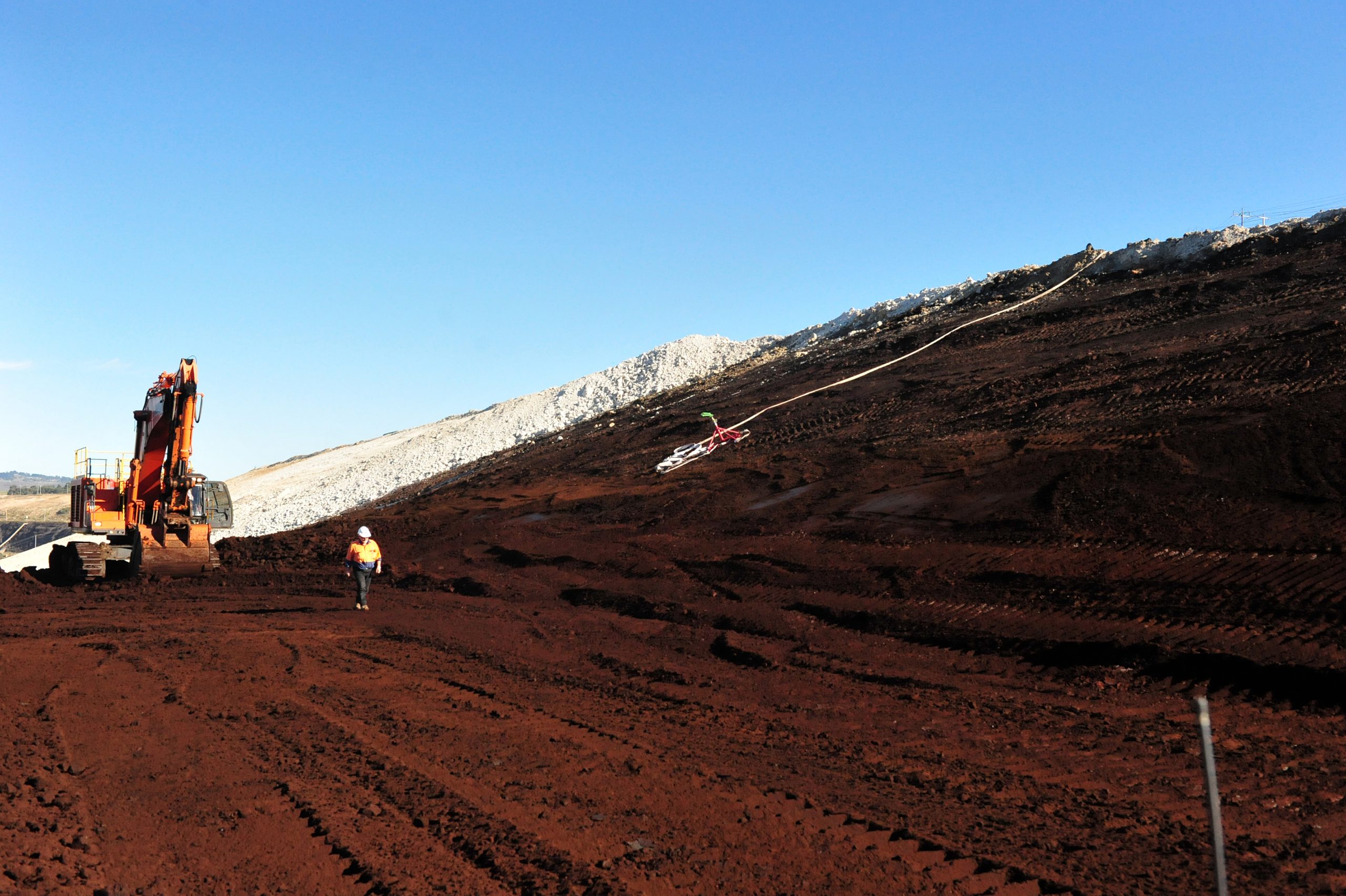
The small amount of overburden produced at the Hazelwood mine raises serious questions about how the mine will be rehabilitated due to the small amount of earth available to cover the coal.
The 2015/2016 Hazelwood Mine Fire Inquiry found uncovered coal presented a “serious fire risk” and suggested a
These included covering the coal with water or overburden.
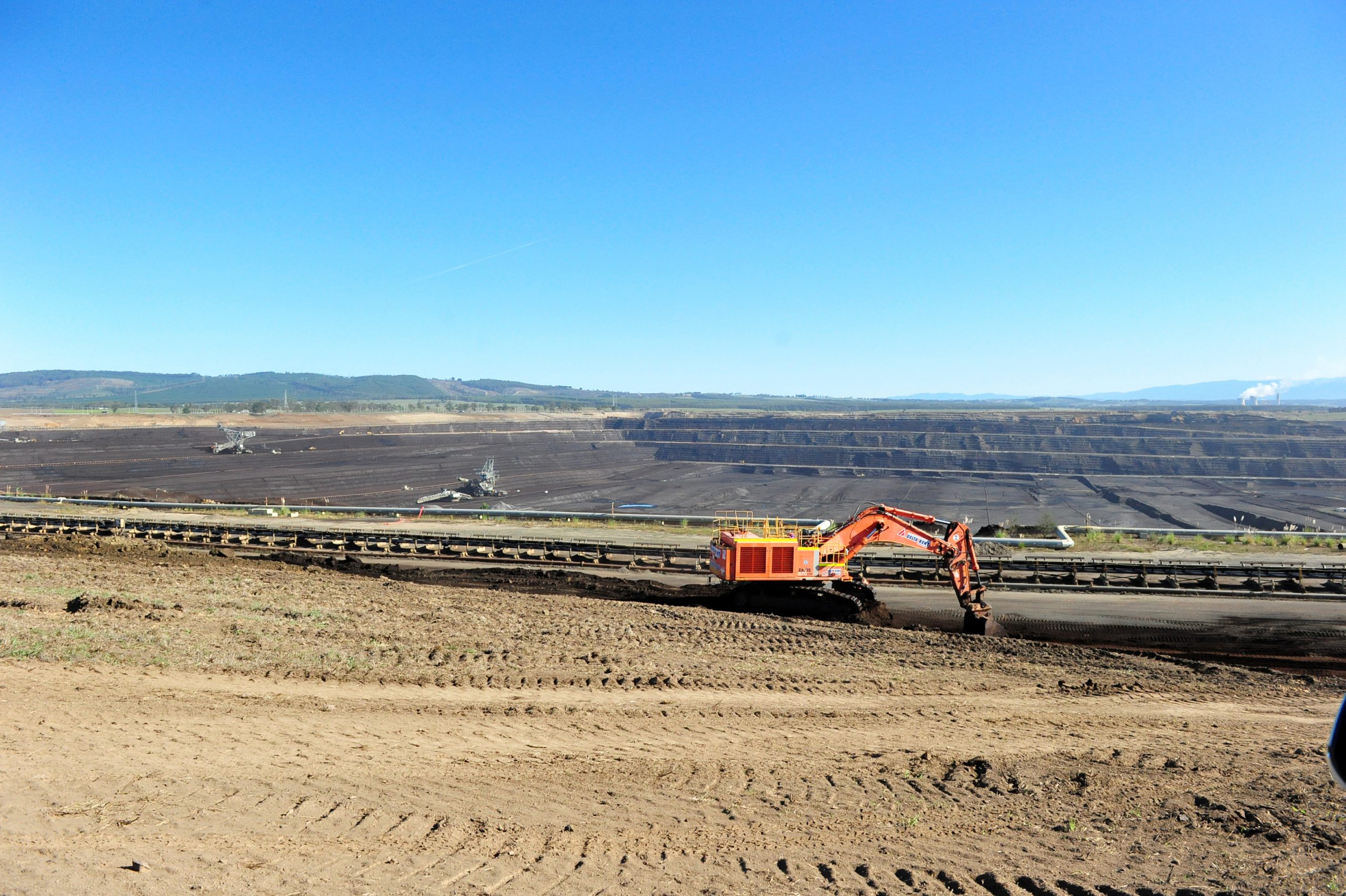
The Hazelwood mine covers an area of 1000 hectares at grass level and has a perimeter of more than 16 kilometres.
According to
“You’re never going to
“They might fill the bottom but what about the sides? If you leave those sides exposed in perpetuity how often are you going to have fires?
“If you get embers into a coal mine there’s a great risk.”
In July the State Government increased the bond paid by
The rehabilitation bonds, which are part of mining licence conditions, were set when the power station was privatised and had remained unchanged for two decades.
A conservative estimate of the Hazelwood mine rehabilitation cost, contained in a report conducted by an American technical services company, put the figure at $286 million.
Dr Mudd said the real cost of rehabilitating the mine was unknown but estimated it would be a figure “somewhere in the nine digits or somewhere approaching a 10 digit number”.
“But all of these numbers are speculative,” he said.
Environment Victoria campaigns manager Nick Aberle said in the wake of the inquiry understanding of the fire risk had increased to the point where a repeat of the 2014 mine was unlikely.
Dr Aberle said it was important to determine what standard of rehabilitation would be applied to the Hazelwood mine after closure.
“It’s really important whatever rehabilitation work happens turns the mine into something very positive for the community,” he said.
He said was important the community voiced its opinion about how rehabilitation was conducted.
“Some people will want an amusement park, some people will want a race track, some people will want an animal refuge – all of those things are fine,” he said.
“It’s important they’re part of the process.”