


By AIDAN KNIGHT
THE media landscape is shifting, as free-to-air television moves closer and closer to extinction in 2026.
It became public knowledge last year that many residents in new home and estates, as well as developing suburbs across the whole country, do not include the infrastructure for families to receive free-to-air service anymore.
Where homes do still have service, most residents will experience regular outages and patchy reception, especially in greenfield suburbs. A majority of these suburbs are provided internet and television connectivity by a private fibre-optic network company called Opticomm, rather than the (public) National Broadband Network, or NBN, other Australians are provided with.
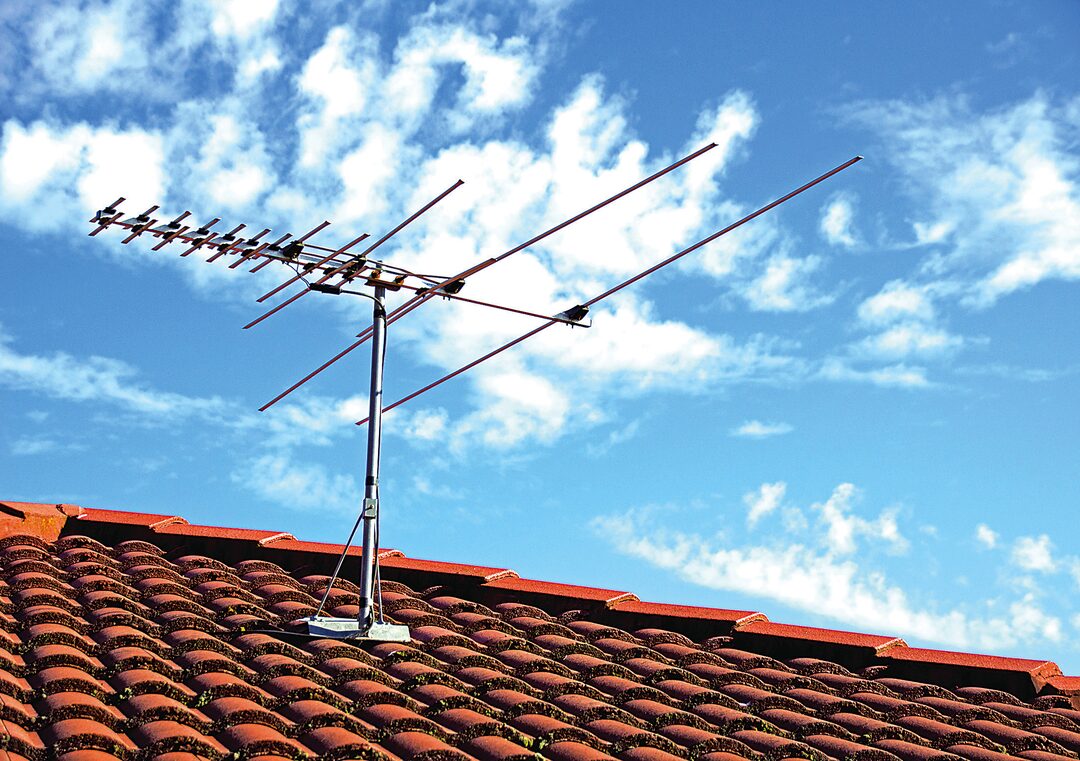
Unlike the NBN – which does not carry free-to-air television signals and requires homes to install a rooftop antenna – Opticomm historically delivered television over its fibre network in certain estates. This design meant residents could receive ABC, SBS and commercial channels without an external aerial, a selling point for many new developments.
That service, however, has now been phased out.
Opticomm formally withdrew its fibre-delivered free-to-air television service from October 1, 2025, rendering the legacy TV-over-fibre system inoperable. In practice, some residents reported losing access earlier, depending on location, in some cases as early as late September 2025, just days before the AFL Grand Final, traditionally one of the most-watched television events of the year on Channel Seven. Any Opticomm users still experiencing a surviving free-to-air connection with cease to do after February 2026, when the service finally depletes altogether.
This means residents previously relying on Opticomm are now required to install an antenna, or transition to streaming services to continue accessing public channels,
all at their own cost and inconvenience.
The median price for antenna installation in Australia is estimated at around $600, excluding signal boosters that may be required for reliable reception in regional areas. For retirees, renters, and residents of retirement villages – many of which were among those affected – the expense has proven prohibitive.
Others have opted to stream instead, but that solution is far from universal across all demographics, despite its overall popularity.
While broadcasters promote apps such as ABC iView, SBS On Demand, 7plus, 9Now and 10 Play as equivalents to traditional television, some viewers argue the experience is fundamentally different. Many say they prefer the immediacy and simplicity of turning on the television for nightly news or live events, rather than navigating algorithm-driven platforms designed primarily for on-demand entertainment.
The median price to set up an antenna in Australia is around $600 without a signal booster for enhanced reception.
Compounding the issue is access inequality. Not all households have the internet capacity to stream live television reliably, particularly in regional areas. Others face data caps, unstable connections, or rising broadband costs. For some, installing an antenna or upgrading internet infrastructure is simply not financially viable.
Despite this, free-to-air television still plays a significant role. Industry figures indicate around 20 million Australians (roughly three-quarters of the population) still engage with broadcast or broadcaster video-on-demand services each week, particularly for news, sport and major live events. Advocates warn that further barriers to access risk accelerating audience loss, particularly for public broadcasters.
For regional communities like the Latrobe Valley, the consequences are already being felt – quietly, one missing antenna at a time.