


By AIDAN KNIGHT
THE State Electricity Commission hosted a series of drop-in sessions recently, catering to both community and industry, in an effort to educate and hear from residents regarding the Delburn Wind Farm.
Slated for construction to begin at the end of the month, the wind farm has drawn a mixed reaction from both sides of the energy debate.
The first two sessions took place in Yinnar and Boolarra, and each saw 80 to 100 attendees throughout the scheduled time – most of whom were residents enquiring about employment opportunities throughout the project.
This remained the norm for the Morwell session, attended by the Express, which saw 14 people at the 11am opening, after being shifted last minute from the SEC hub to the Morwell RSL, due to a water leak.
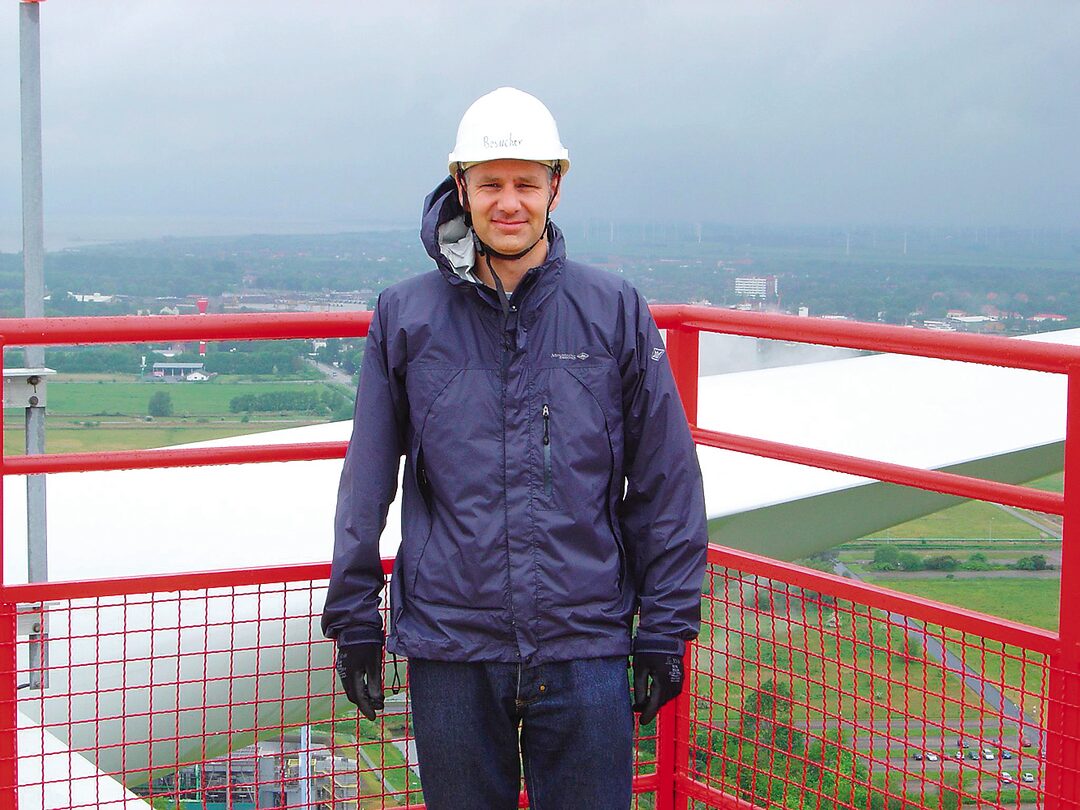
The Express spoke with SEC General Executive Manager Lane Crockett, who has worked in the role since 2023.
“Wind farms create economic opportunity right across the board,” Mr Crockett, who has been working in the power industry for more than 35 years – 20 specifically in renewables, said.
Mr Crockett said there had also been steady interest from people living closest to the turbines.
“We’ve had quite a few of the near neighbours through,” he said. “There’s been conversations around local impacts and the near neighbour benefit sharing.”
He explained that the project includes a $22 million benefit-sharing package for the community.
“The project overall has a $22 million sort of benefit sharing package that goes back into the community,” he said. “Part of that is actually payments to near neighbours. So people are interested in that.”
On fire, he stressed that Delburn must meet all current standards, and that the SEC is working closely with landholder HVP, “very acutely aware of fire risk and managing that well”, addressing one of sceptics’ key concerns.
“One of the things we’ve had to do is put very large water tanks on site before we can start construction,” he said.
“So that immediately we have a local water supply to address if there’s a fire on site.”
Crockett said the latest turbines to be installed at Delburn would incorporate automatic fire suppression systems.
“It is rare, but it can happen that you get a fire in a turbine,” he said
“In the older turbine, you would let that fire just burn out, and you would just monitor around the area … but because now modern turbines have fire suppression systems, it’s basically put out in the nacelle automatically.”
Another innovation the SEC is implementing is an AI early-warning system, PANO AI, which works on panoramic cameras and sensors and is already installed on towers near the site.
“What it is, is it does a 360 scan of the horizon, and as soon as it sees some smoke, it uses artificial intelligence to pinpoint the difference,” Mr Crockett told the Express.
“Because we’ve got it in two towers, it can triangulate and pinpoint the exact position.
“You get warning a lot earlier than somebody suddenly going, ‘Oh, there’s quite a lot of smoke here, I better ring someone.’ The moment the smoke is seen, it’s automatically detected. So the ability to get to the right place very quickly [is improved].”
He explained that spreading projects across different weather systems can smooth out wind generation and help put downward pressure on electricity bills.
As the electricity retailer to the state government, supplying hospitals, schools and police stations, Mr Crockett said a more diverse portfolio made it “easier for us to manage that for the government, and cheaper for us to supply the energy.”
In contrast to the jobs created by the project, the Express has recently been informed by the Mining & Energy Union that the Loy Yang power station has been imposing involuntary redundancies, currently up to 25 positions, as part of a broader program to shed around 300 jobs company-wide.
The union fears the company is “drip-feeding” redundancies ahead of closure to minimise transition and redundancy obligations to long-serving local workers.
This is an important juxtaposition to the emphasised jobs created by the shift to renewables, such as the Delburn project, as many of those jobs created by the shift in energy production are not long-term, as the several hundred slated for trimming at this point in the energy production scheme.
Project staff said they would continue to proactively communicate with residents and businesses as construction ramps up, including through updates and further sessions, with another event scheduled in Leongatha focused on industry and supplier opportunities.
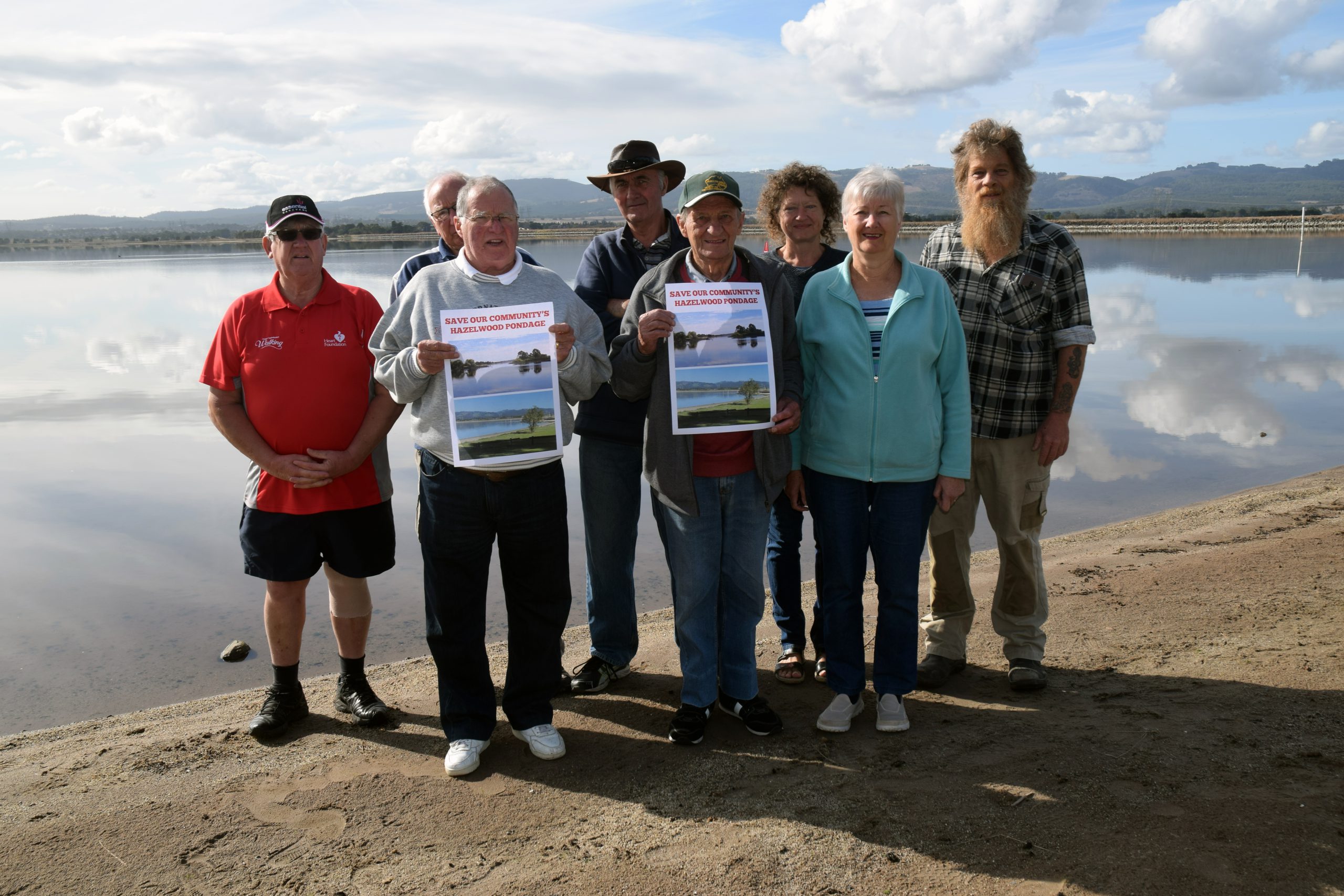
Outside the venue however, was a group of residents representing the Strzelecki Community Alliance (SCA), an organisation against the wind farm, many of whom are ex-SEC workers themselves.
The SCA was gathering signatures for a petition against the development, voicing concerns about genuine long-term employment, environmental impacts and the project’s wider benefits to the Latrobe Valley.
One resident, recalling their time working during the demolition of Hazelwood, described how local workers were used briefly before being replaced.
“They just got casuals in to fill the local numbers, and then after having numbers, they pretty well sacked all of us and got their fulltime [workers] into Melbourne, so there wasn’t a great deal of local work,” the former worker said.
Similar scepticism is now being directed at the Delburn Wind Farm.
Locals said they had been told there could be scores of construction jobs during the build, but only around a dozen ongoing roles once the project is operational.
Beyond employment, residents also raised concerns about the physical scale and environmental footprint of the turbines proposed for the Strzelecki ranges.
The turbines could reach around 250 metres in total height – with towers of roughly 160 metres and blades of about 90 metres – putting them in the range of the Loy Yang stacks, which stand at about 260 metres.
As consultation continues and construction approaches, the Delburn Wind Farm remains a project marked by both anticipated benefits and ongoing concerns.
With further community sessions planned and debate still active among residents, the development is set to remain a focal point in discussions about the region’s energy future and local impact.