


By AIDAN KNIGHT
THE first annual Gippsland International Film Festival (GIFF) took place last month, with three nights set across Warragul, Noojee and Rokeby.
The event, which hopes to return this time next year, is the lovechild of local film-maker couple Ed Yates and Alana Auden.
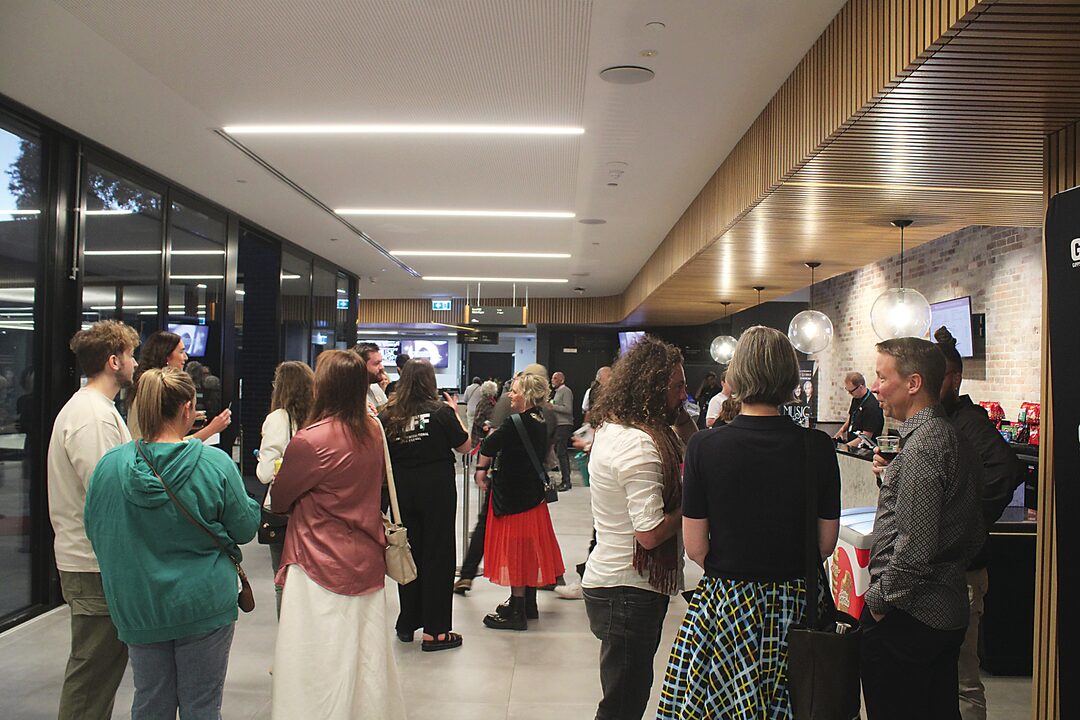
Across the Friday-Saturday-Sunday program, the GIFF saw 350 attendees mingling with 50 film-makers travelling from around the country to take part in a first-of-its-kind for the region.
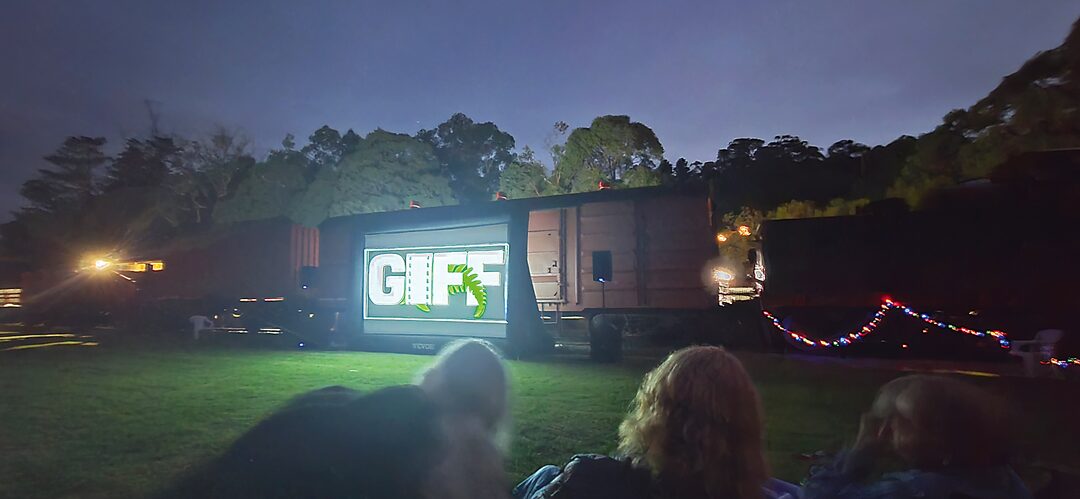
The response exceeded expectations for the organisers, as Mr Yates told the Express, “we actually ran out of seats for the Noojee sessions”, making it standing-room-only in an outdoor setting, as the second night of the festival was one of extreme artistic notions, projecting the films onto a train.
The gamble paid off, with perfect weather and a stunning band performance before the screening started, which Mr Yates described as “idyllic” and “as well as an outdoor event in Gippsland could possibly go”.
While audiences were strong, margins were tight, as they always are when artists begin an ambitious project such as a region-encapsulating film festival.
Mr Yates disclosed that both he and Ms Auden personally shouldered most upfront costs, “running on the smell of an oily rag, and sometimes just running on rags”. Despite this, they were determined to keep it an accessible local event, ensuring tickets were cheaper than that of a standard cinema experience, and didn’t break the bank, thanks to a great effort from volunteers within the team and film selection board. This allowed the couple to do what they wanted, proving there is an audience for a Gippsland Film Festival.
Mr Yates was the first to admit that future editions would eventually need to establish a more sustainable funding base, hoping to secure some support from local council’s across the region to allow it to grow.
Beyond logistics, Mr Yates is clear about the creative and ethical spine of the festival: GIFF is firmly about human-made stories.
The organising team of six curated a program of 30 short films from Australia and overseas, with a deliberate stance against AI-generated content.
“Everything that we put on screens is made by real people,” Mr Yates said.
“We had a no-AI policy on our first run … I don’t think people want more AI slop in their life. They actually want stuff made by humans.”
This will be made a public-facing policy for any iterations of the Gippy film festival going forward.
At Rokeby Hall, a post-screening Q&A with filmmakers from five of the shorts emerged as an unexpected favourite.
“We had comments from a number of people that that was one of the best things,” Mr Yates said.
“Because it was such a little hall, everyone was very comfortable asking questions, and the filmmakers were really comfortable fielding them.”
Beyond the visiting interstate filmmakers from Sydney and Melbourne, Mr Yates hopes GIFF will spark a wave of local filmmaking in Gippsland.
“I really hope next year it inspires a whole bunch of local filmmakers to go and shoot their short film,” he said.
“There’s no reason why you cannot make something very good now for not very much money. The constraints usually mean you end up with a more creative solution.”
Looking ahead, the team is considering adding a youth session and a women filmmakers’ session, potentially with a guest speaker, alongside exploring new venues such as Rokeby Hall, which has recently undergone a significant audio–visual upgrade.
For now, after an intense build-up and a demanding festival weekend, the organisers are catching their breath , but already laying the groundwork for GIFF’s return next year.
Among the films shown, standout titles for Mr Yates were:
In the Trees by Andy Layclark.
A film told from the perspective of children, screened at Noojee, which Mr Yates said all six selectors placed in their top three. It shows rival leaders of opposing forest fort gangs bond over their shared love of medieval warfare. However, their loyalty to their gangs soon tests this fragile alliance.
The Remains by Andrew Robards.
A longer dramatic piece Mr Yates praised for its performances, visual strength, and neo–noir style set against a recognisably regional Australian landscape. A young detective investigates the disappearance of a mysterious woman while battling his own inner demons in rural NSW.
Blue Harvest by Jaydon Sciré Giesekam
A late–arriving sci–fi short whose title nods to the working title of a Star Wars film. Submitted just days before the deadline, it impressed the team so much they reworked the program to fit it in, dropping another film to make space. In the film, grieving agriculturalist uses an experimental robot created from his late wife’s recorded memories to try to save his dying son.