



By AIDAN KNIGHT
A VICTORIAN tribunal decision blocking a key Melbourne waste transfer station has thrown the future of the $600 million Maryvale waste-to-energy project in doubt, putting hundreds of Latrobe Valley jobs at risk.
The proposed station was instrumental to the South East Metropolitan Advanced Waste Processing (SEMAWP) project, now left up in the air after the state government rejected its establishment.
EPA Victoria previously found the proposal posed “unacceptable risks” to nearby residents of the project’s Hampton Park transfer station, primarily relating to odour and noise emissions, but the Allan Labor government has offered no further solution or alternative.
The SEMAWP plan was to combine the collective rubbish from nine metro Melbourne shires and councils, including Greater Dandenong, Cardinia, and Casey – equating to a potential 550,000 tonnes of waste.
The Hampton Park facility was intended to sort and consolidate the waste before it was transported to Maryvale.
After amalgamating one man’s trash with 499,000 others, plans were to install a Maryvale incinerator equipped to perform waste-to-energy processes in line with the heavily promoted Clean Energy Transition within the SEC and their operations in the Latrobe Valley. These contracts were supposed to be issued for 25 years at a time.
The Gippsland Trades and Labour Council said the project represented a rare opportunity to provide long-term industrial employment for workers affected by the closure of coal-fired power stations, including Yallourn and Hazelwood
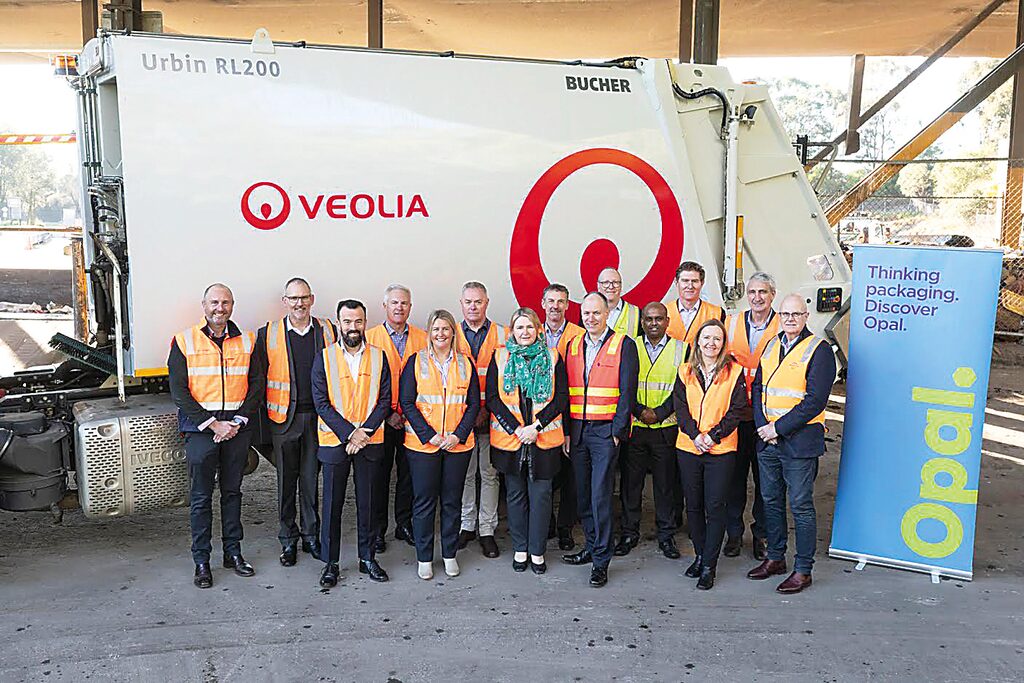
The Maryvale facility is a $600 million project developed by Opal Australian Paper, Veolia, and the Masdar Tribe, creating 60 local fulltime jobs, as well as 455 in construction, while also maintaining strong support for the adjacent APM mill to which it would be connected.
The Trades and Labour Council said construction alone would support around 500 Victorian jobs per year over three years of Stage 1 development, while also delivering “flow-on” employment across the region.
Mining and Energy Union President Andy Smith told the Express the facility was “still on track to start construction up until this decision”.
The VCAT ruling, handed down on Friday, April 10, upheld the Environment Protection Authority’s (EPA) original refusal to grant a development licence for the Hampton Park site. The tribunal cited “unacceptable odour” as a primary factor in its decision, siding with community concerns regarding the facility’s proximity to residential areas.
This legal roadblock places the entire Maryvale Waste to Energy project at risk, as the Hampton Park station was the critical link for sorting and transporting the massive volume of municipal waste required to fuel the Latrobe Valley incinerator.
Without a viable alternative for waste consolidation, the $600 million investment and the hundreds of promised regional jobs remain in jeopardy.
This has once again led to outcry against Minister for Energy, Lily D’Ambrosio, within the heart of the most important region to her SEC portfolio – the Latrobe Valley. The opposition specifically identified Minister D’Ambrosio as the person responsible for how “off the rails” the project became, despite it having great benefit for not only her work as Energy Minister, but also as Minister for Climate Action.
The Maryvale incinerator would have reduced Victoria’s net CO2 emissions by 270,000 tonnes per year, in its Stage 1 plan – while simultaneously diverting more than 300,000 tonnes of waste from landfill in the same timeframe.
The Express approached Minister D’Ambrosio when she was in town for a media event earlier in the Month for the Delburn Wind Farm, but was later told that, despite the name of the project, it is a matter for the Minister for the Environment, and has no involvement in Minister D’Ambrosio’s Energy folio.
At this stage, no alternative transfer station site has been publicly identified.
Now, with Latrobe Valley transition project thrown into doubt after government-backed planning defeat, pressure is mounting on the Allan government to provide clarity on whether an alternative waste consolidation site will be pursued to keep the Maryvale proposal alive.
The loss of the Maryvale project could represent another setback for the region’s long-term economic future.