



By DAVID BRAITHWAITE
MORE than $57 billion worth of state government-owned or regulated infrastructure is at risk of damage or destruction from extreme weather, a report has found.
The state’s independent infrastructure adviser, Infrastructure Victoria, found that risk will rise by nearly 25 per cent in the next 40 years.
Infrastructure Victoria has mapped the climate change risks to state government-owned or regulated infrastructure. Its latest research, Warning Signs: Climate Change Risks to Victoria’s Infrastructure, looks at $318 billion worth of assets across Victoria and the risks they face from seven different extreme weather events.
The report stated eastern Gippsland was a bushfire hostpot with a large value of infrastructure at risk.
The Latrobe Valley is at risk from bushfire and flood, with a concentrated value of infrastructure at risk in 2030. The Latrobe Valley also had a sector-wide energy value at risk – $7.2 billion in 2030 and $10.1 billion in 2070.
Wilsons Promontory is at risk from bushfire and damaging wind, but has a low value of infrastructure at risk of damage.
The analysis also showed much road infrastructure was at risk from floods, bushfires and extreme heat, with a large value of road assets at risk located in Melbourne, central Victoria, and along major roads towards Wodonga and Traralgon.
Infrastructure Victoria Chief Executive Dr Jonathan Spear said the research highlighted which assets were most exposed, which climate risks mattered most, and where risks were concentrated across the state.
“It shows where the Victorian government should act now to reduce future damage, service disruption and millions in recovery costs,” he said.
The largest analysis of climate change risks to Victoria’s infrastructure, this research showed bushfire, flood and extreme heat posed the greatest risks.
According to the research, more than $23 billion of existing infrastructure is at risk from bushfires, rising to over $30 billion by 2070. More than $22 billion of infrastructure is already at risk of flooding.
Infrastructure at-risk from extreme heat more than doubles between 2030 and 2070 to nearly $26 billion.
Extreme weather events cost the Victorian economy an average of $2.7 billion a year over the 10 years to 2016. This has only increased in recent years.
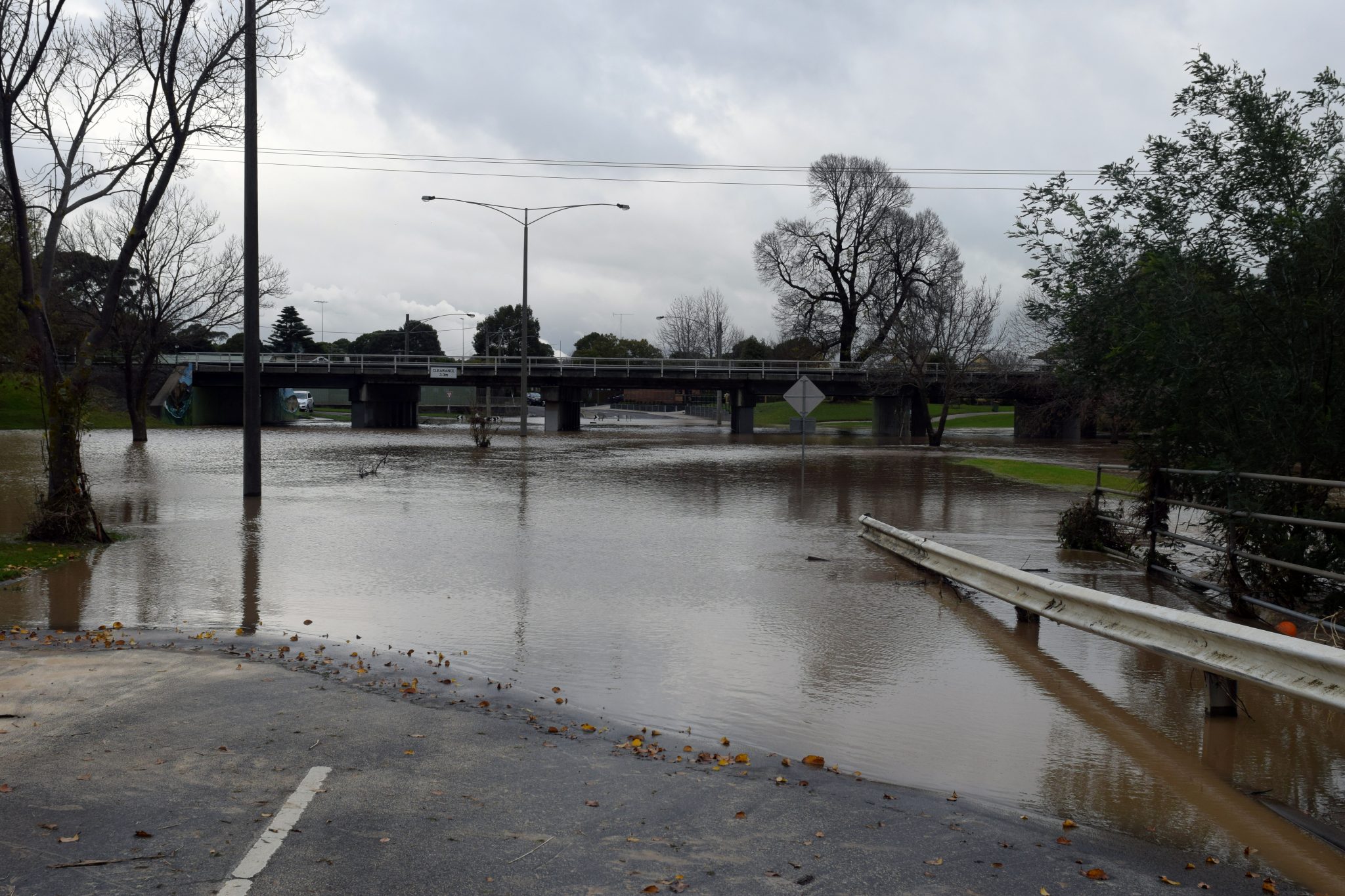
The 2022 floods cost the state government $1.8 billion in immediate relief funding and another $1.7 billion for flood recovery.
In Victoria’s infrastructure strategy 2025-2055, Infrastructure Victoria recommended the government fund high-priority, cost-effective infrastructure adaptation actions. The latest research provides guidance on where to focus adaptation action and funding by identifying the infrastructure types and locations most at risk from climate hazards.
Research from the Global Commission on Adaptation showed resilient infrastructure could deliver up to $10 in benefits for every dollar invested.
Infrastructure Victoria’s previous research showed preventative maintenance for roads was the most cost-effective way to protect them from flooding. Every $1 extra spent on clearing roadside drains and vegetation returns $5.88 and reduced the risk of landslides after bushfires.
When is comes to upgrading or building new roads in high-risk locations, Infrastructure Victoria state technology like foamed bitumen stabilisation returned nearly $3 for every $1 spent and prevented at-risk roads being washed away by floods.
“The government needs to update and fund its adaptation plans. Funding high-priority, cost-effective infrastructure adaptation actions can save millions in recovery costs and lost productivity,” Dr Spear said.
“The government is already adopting some effective adaptation measures. But more needs to be done, across every sector.”