



By KATRINA BRANDON
A PHILLIP Island penguin has died from Bird Flu.
The deadly disease has Victorian poultry farmers on high alert.
Bird Flu (H5N1) was first detected in Victoria on July 30. A confirmed case was later recorded in the Bass Coast area earlier this month.
At time of print (Monday, August 17), there are 74 positive cases of H5N1 bird flu in Victoria’s wild birds, according to Agriculture Victoria.
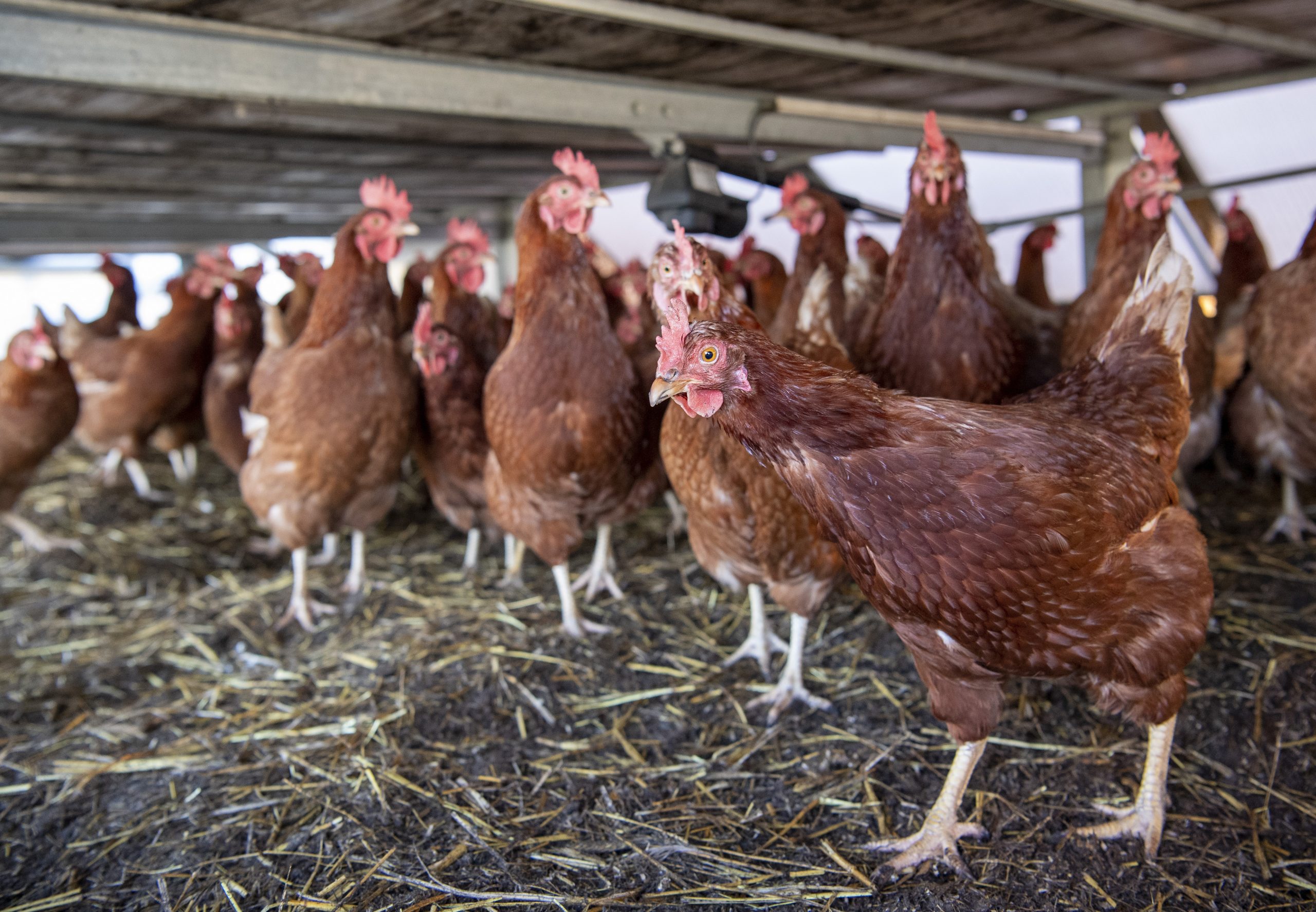
On August 7, the state government introduced a temporary poultry housing requirement in higher-risk areas following further detections of H5N1. The requirement is designed to reduce contact between wild birds and poultry as a precautionary measure.
Free-range egg farmers who move their hens indoors to protect them from bird flu can continue to label and sell their eggs as free-range.
“We’re acting early to protect Victoria’s poultry industry and help keep eggs and poultry affordable and available,” Minister for Agriculture Michaela Settle said.
“We’ll keep working closely with industry and responding as the situation evolves.”
Victorian Farmers Federation President Ryan Milgate said the announcement was a proactive and logical precaution, and that farmers and the public should have confidence that industry and government are working together.
With cases confirmed in the Bass Coast area, the state government also announced, following the federal government’s vaccine announcement on Tuesday, August 11, the arrival of vaccination doses on Phillip Island to vaccinate penguins.
More than 5000 little penguins at Phillip Island and St Kilda are expected to be vaccinated as part of the program.
Unfortunately, reports were released on Saturday (August 15) that a penguin had been found dead and had tested positive for H5N1, within the same day, a great crested tern tested positive in Lakes Entrance.
The state government stated vaccinating wild birds is challenging because each bird needs to be caught twice to receive two doses, and little penguins usually return to the same colonies and burrows, providing a rare opportunity to vaccinate a wild population and monitor their response over time.
Vaccination won’t stop bird flu from circulating, but it can help reduce its impact alongside existing biosecurity, surveillance and wildlife response measures.
The broader vaccine rollout will also prioritise vulnerable species held in captivity, including animals in zoos and other managed populations across Victoria.
Victoria has invested more than $130 million in biosecurity and continues to strengthen surveillance and respond as the situation evolves.
“We can’t stop H5N1 bird flu circulating in wild birds, but we can take practical steps to protect vulnerable species like our little penguins from its impacts,” Minister for Environment Jaclyn Symes said.
“Vaccination is one response measure, alongside strong biosecurity and surveillance, that can help manage the impact on our wildlife.”
With the state government’s announcement, Shadow Minister for Agriculture and The Nationals Member for Lowan Emma Kealy said the announcement showed Labor’s priorities were firmly fixed on Melbourne’s tourist attractions, not the regions.
“Labor has found the time and the resources to protect penguins that pull in the tourists, but Victoria’s threatened birds out in the regions don’t even get a mention and free-range chickens remain in lockdown,” Ms Kealy said.
“Brolgas are breeding right now in western Victoria, and there is still no word on any plan to protect them. If this government can vaccinate penguins for visitors, it can tell regional Victorians what it’s doing for the birds in their own backyard.
“Victorian free-range poultry producers are also struggling to comply with mandatory H5N1 housing orders, but the government just wants to talk penguins.”
Ms Kealy said the government needed to urgently publish its full vaccination priorities, not just the ones that make good headlines.
“This isn’t good enough. Labor needs to tell us which threatened species and populations across the state will be vaccinated, where and when, and guarantee there are enough wildlife, veterinary and field staff actually to deliver it,” she said.
“Victoria’s Flora and Fauna Guarantee Act is designed to prevent threatened species from disappearing from the wild, and the Carroll Labor government now has a responsibility to explain exactly how it intends to meet that obligation for every threatened bird in Victoria, not just the ones at St Kilda and Phillip Island.”
Victoria has numerous bird species facing serious risk of extinction, including the endangered Brolga and the critically endangered Australasian Bittern and Bush Stone-curlew. At the same time, other threatened Victorian birds include the Helmeted Honeyeater, Orange-bellied Parrot, Plains-wanderer and Regent Honeyeater. For some of these species, a significant H5N1 outbreak could be devastating.
Bird flu viruses can change quickly. The more they spread among animals or people, the more likely they are to change.
If bird flu changes in a way that makes it spread more easily between people, it could cause an outbreak or a wider spread. It could also change, causing more serious illness in people.
Infected animals shed the virus in secretions, faeces, other body fluids, and into the air. People can become infected if they touch an infected animal, its fluids, or something contaminated with the virus, and then touch their eyes, nose, or mouth, or if they breathe in contaminated dust or air.
According to the Australian Centre for Disease Control, it is safe to eat properly handled, prepared and cooked meat and eggs. It’s very rare for bird flu to spread from person to person.
The Melbourne Royal Show has also cancelled all poultry competitions and exhibitions as the number of H5N1 bird flu cases continues to surge.
For more information, go to: https://agriculture.vic.gov.au/biosecurity/animal-diseases/poultry-diseases/H5N1-avian-influenza-H5-bird-flu