



By KATRINA BRANDON
TRARALGON southeast landholders have waited more than a decade for local land to be unlocked for housing and industrial development.
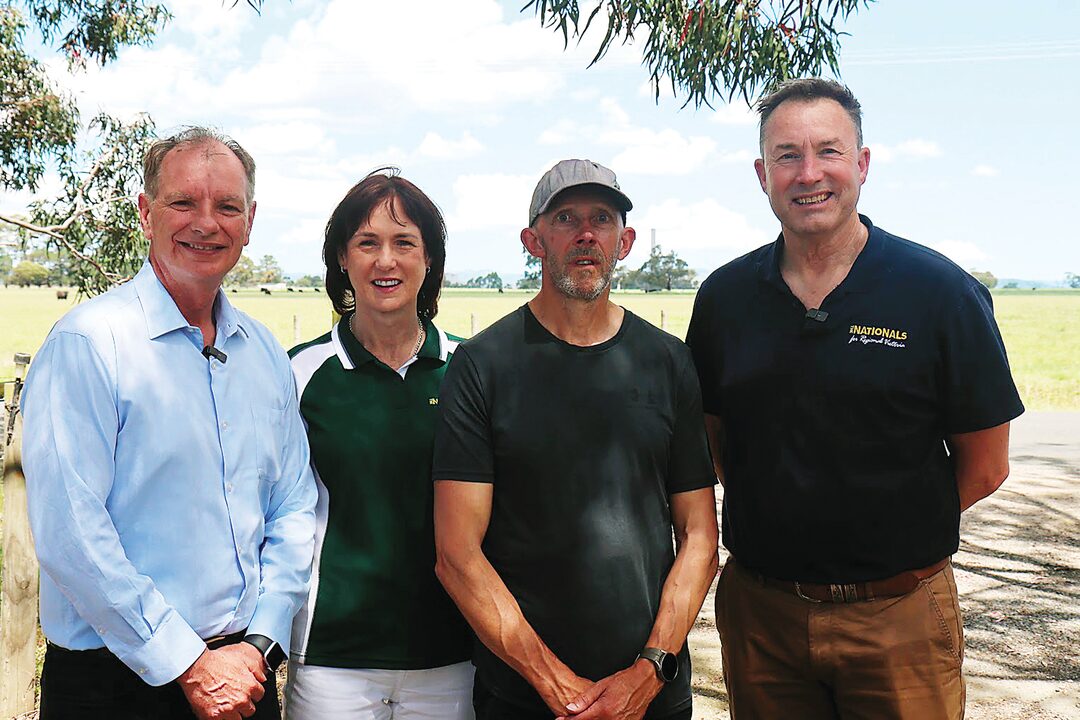
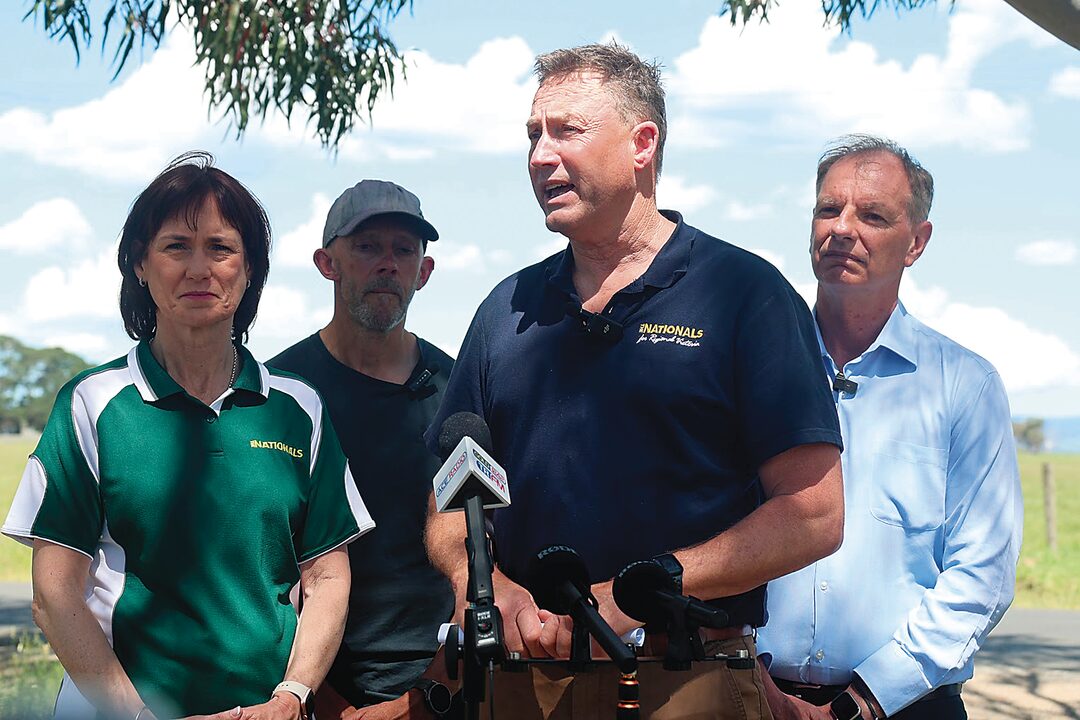
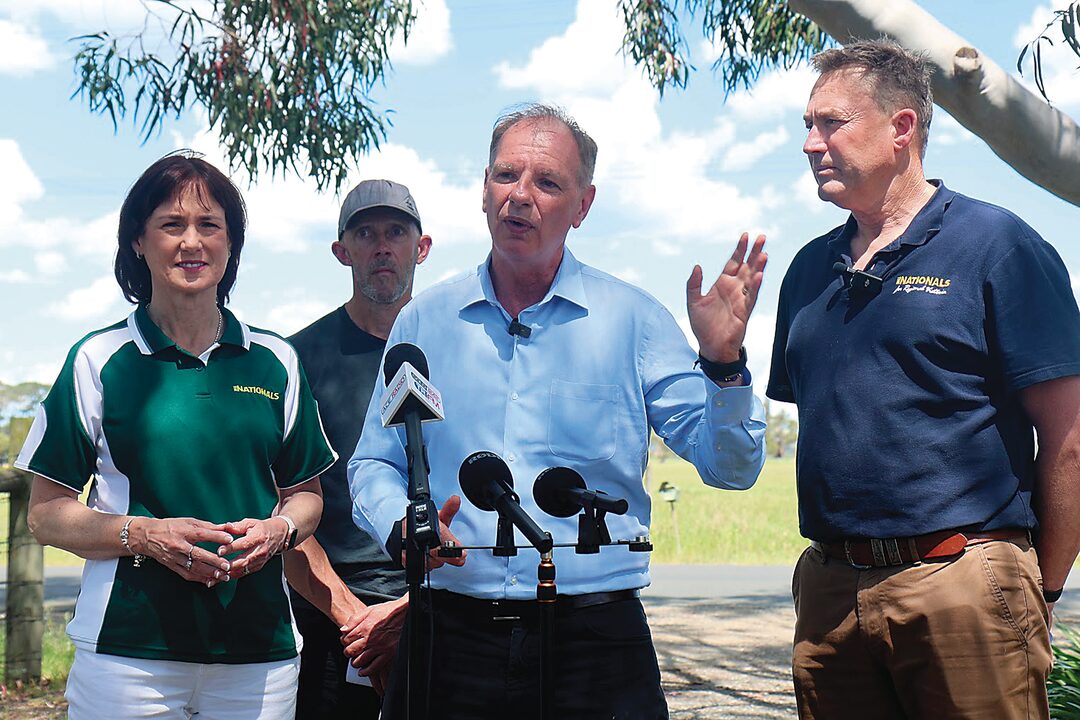
Last Friday (October 23), landholder Ashley Schoer met with media, Deputy Leader of the State Opposition and Shadow Minister for Planning and Housing, David Southwick, National’s Member for Morwell, Martin Cameron and Member for Eastern Victoria Region, Melina Bath to share his frustration over the situation.
“This land was rezoned 14 years ago as general residential,” Mr Schoer said.
“We’ve been paying rates on residential land that can’t be developed. All it takes is someone to make a decision to review those coal buffers. We currently sit outside the one-kilometre buffer zone, so most of the background reports have been done. There’s been geotechnical surveys done, vegetation surveys, and drainage surveys.
“The land is ready to go. Concept plans have been drawn up with a green energy zone, sporting facilities, a retail commercial precinct involved as well.”
Mr Schoer explained that Latrobe City Council had taken the project to Planning Victoria for approval, only to be blindsided by AGL, who had submitted a 100 page geotechnical report at the time, which showed there was ground movement from their mining activities outside of the one kilometre buffer zone.
Planning Victoria declined to make a decision at the time because the report needed to be reviewed. The state government has committed to doing its own risk assessment.
Mr Schoer said that no money has been allocated to the project, despite the planning provided.
“Just seems that they aren’t interested,” he said.
“It’s another example of Latrobe Valley been forgotten. It’s terrible, and a lot of the land here was developed into rural living land (five acre allotments) back in the early 80’s. A lot of the residents were here in their 30s to 40s when they bought the land, and a lot of them still live here.
“They have been waiting for something to happen because more than likely, people thought 10 years ago that developers would come in and they’d offer them a reasonable price for their properties allowing them to move on.”
Mr Schoer said that he has had a number of Melbourne developers approach him, only under the condition that planning approval is granted, which they have been unable to get.
He said that the current landowners have been unable to move on as the properties are labelled under residential, meaning they are valued as residential in rates, costing owners a fortune.
If elected next month, Mr Southwick said the Coalition will unlock the land, providing up to 2000 homes in the area, alongside manufacturing opportunities, retail, sport, and meeting community-based needs, which is part of the South East Traralgon Precinct (SETP), an 187-hectare area on the edge of town.
Coal overlays along the SETP’s southern boundary prohibit development within two kilometres of the Loy Yang mine.
“We can’t have housing planning regulations being held up,” Mr Southwick said.
“We see what happens all the way in Melbourne, where all the focus is on trying to build homes in Melbourne, (where) again, the regions have been forgotten, and it’s time that the regions get their fair share.”
The Coalition aims for an independent, evidence-based audit to identify any redundant or excessive overlays that can be removed via a planning scheme amendment process, and retain those where mine safety or ground stability are at risk.
The process will prioritise amendments that unlock land for housing and economic development, consistent with earthworks studies Latrobe City Council has already commissioned.
The overlays were introduced more than 40 years ago to protect future coal resources, when planners envisaged the region would host dozens of power stations, but only four were built.
Mr Cameron said the review was long overdue and a critical step in attracting investment back to the Latrobe Valley.
“Our brown coal has powered Victoria for more than a century, but the overlays in place now are nearly 50 years old, and some of them are no longer relevant,” Mr Cameron said.
“This review is about assessing which land can be sensibly rezoned and used for housing and industrial development, both of which are desperately needed in the Latrobe Valley.”