


By DAVID BRAITHWAITE
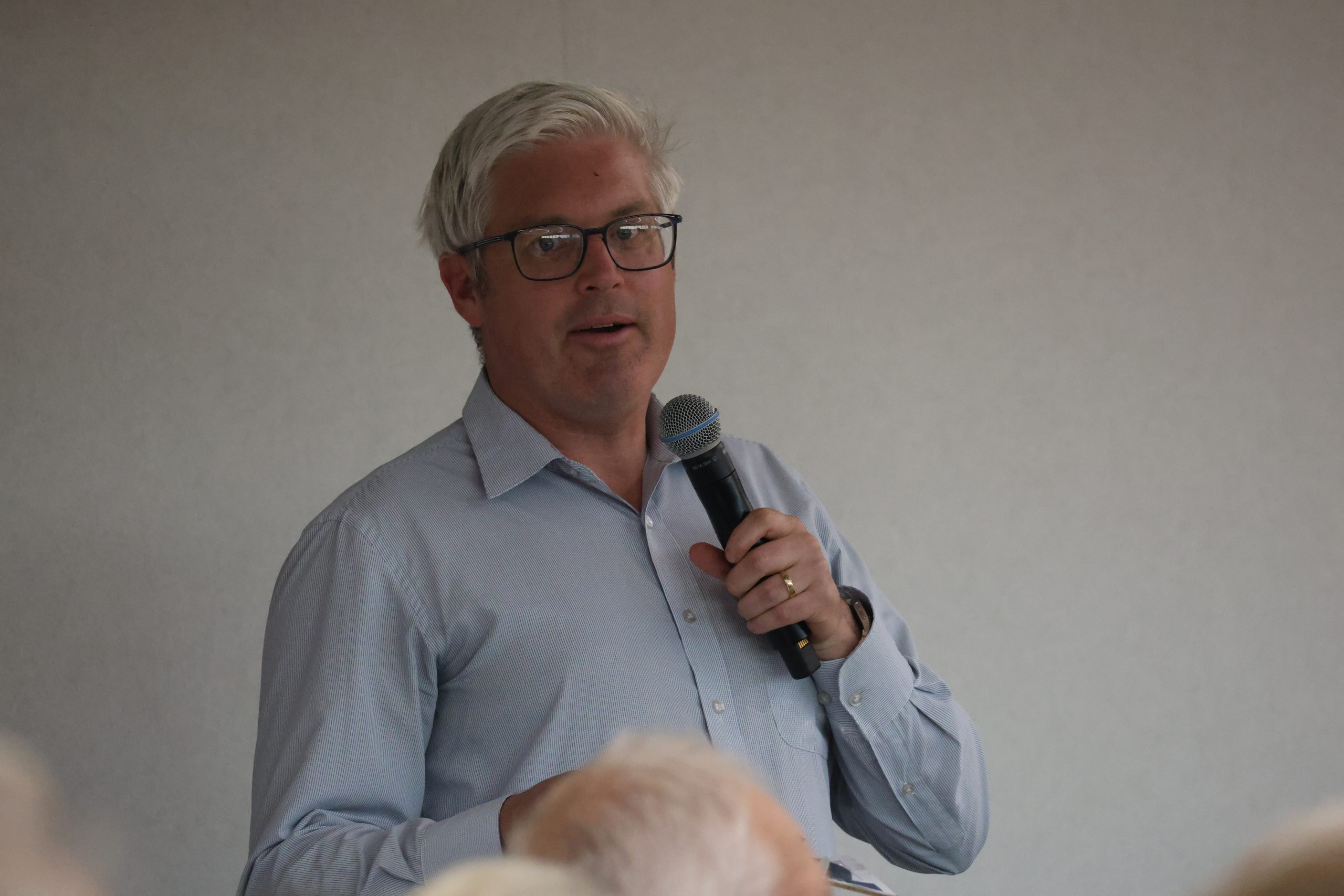
WIND farms and transmissions lines, paying down the state’s debt, and cost-of-living were among the issues top of mind for many attending a forum of state election candidates, hosted by the Latrobe Valley Express’ sister publication, the Sale-based Gippsland Times.
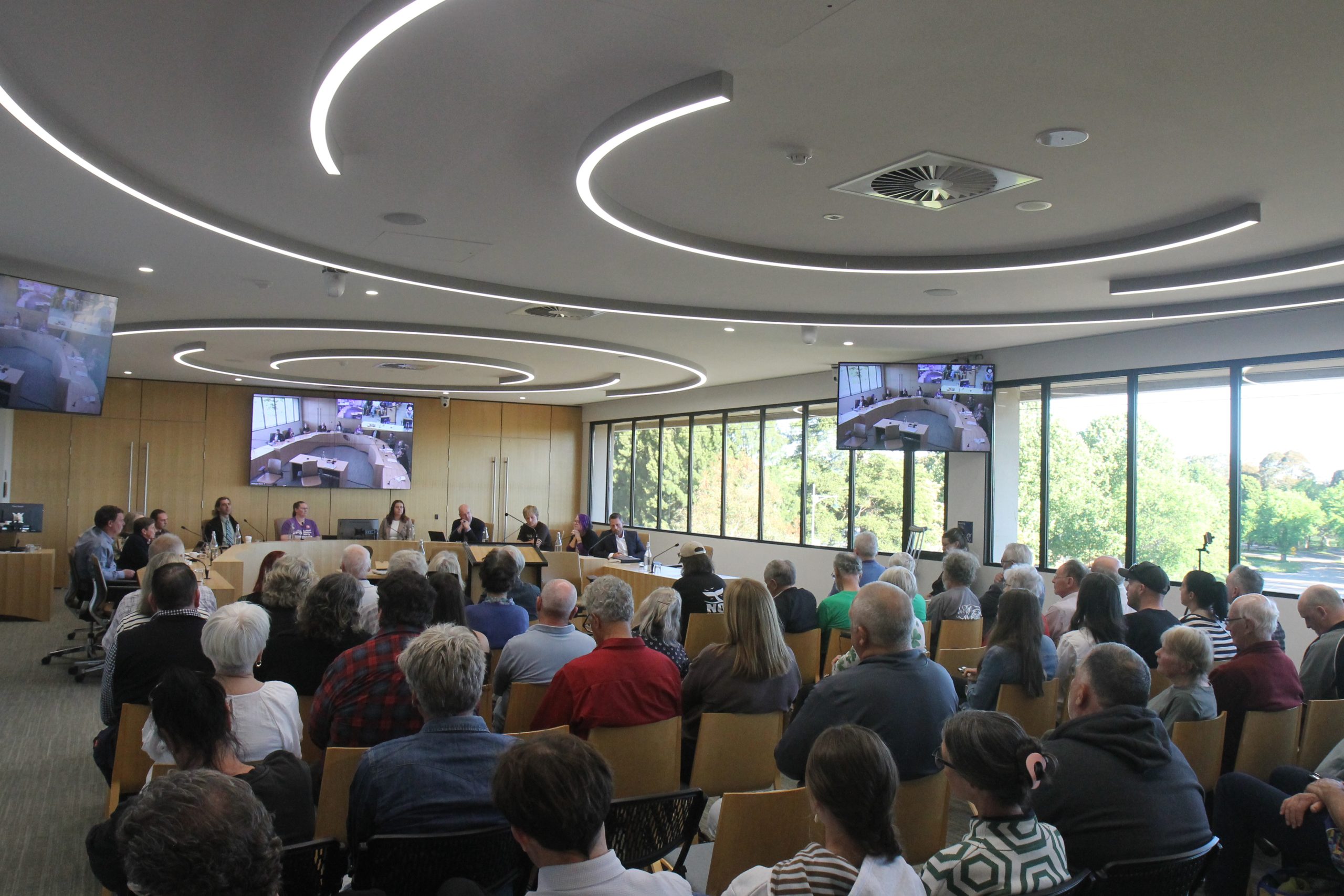
More than 50 people attended the forum, held in the Wellington Shire Council chamber at the Port of Sale. Eleven candidates – from the two lower house districts covering Wellington Shire, and the Eastern Victoria upper house region – answered questions from the floor and provided their vision for their electorate.
Despite the range of politcal views respresented, there was plenty of respect shown among the candidates, and from the crowd.
When asked at the beginning of the night what the biggest challenge facing the region was, most of the candidates said cost-of-living pressures.
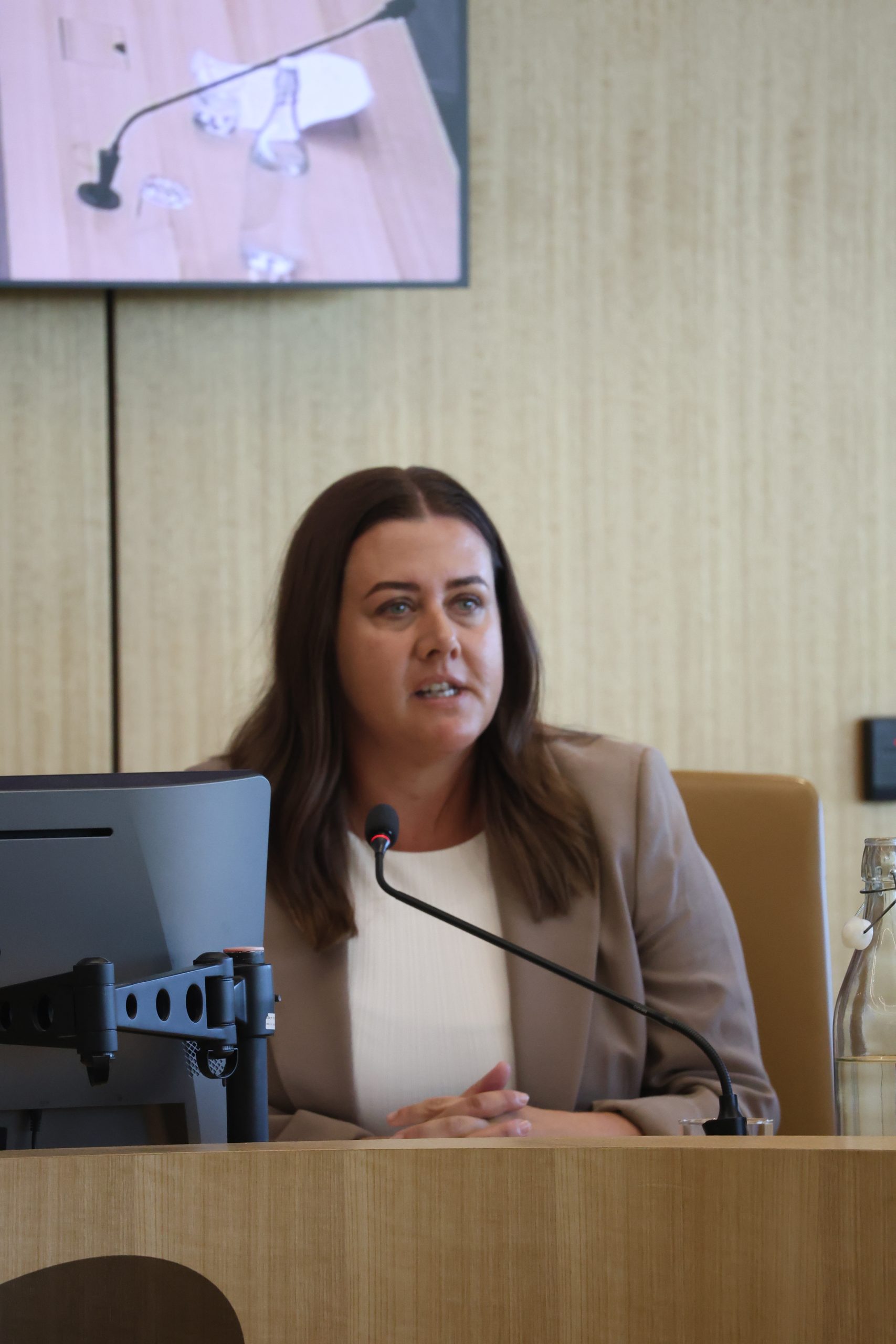
One Nation candidate for Gippsland South Bianca Wilkie said energy and the cost of transporting food was a factor in the rising cost-of-living.
“I’ve heard from so many locals about the real impacts that the Labor government have pushed on them in their businesses, in their groceries. This is to the cost of diesel to transport down there, (as well as) energy supply, roads and bridges to keep it going,” Ms Wilkie said.
Ms Wilkie also said the transition to renewable energy sources should not come “at the expense of the community and landholders”.
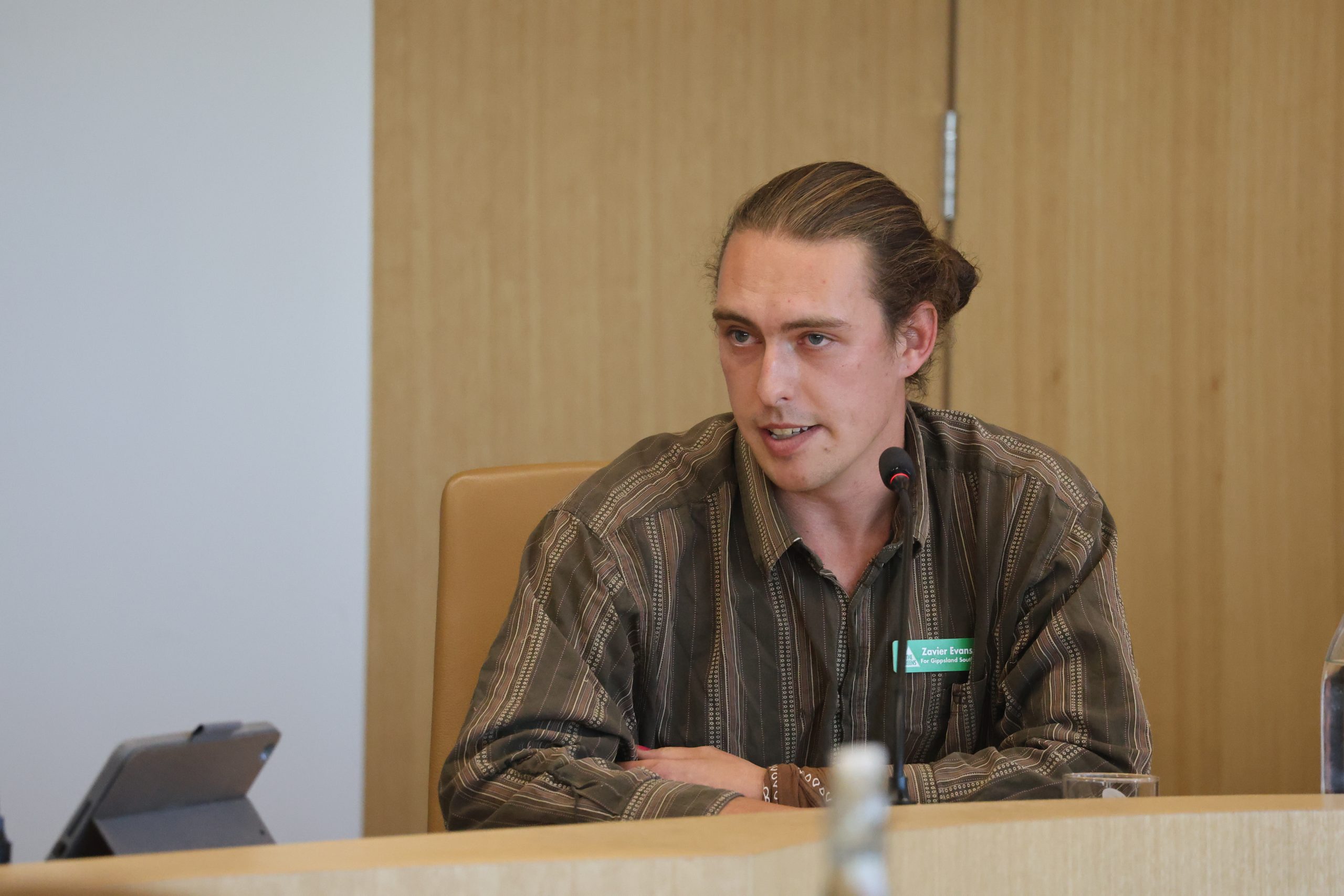
Zave Evans, the Greens candidate for Gippsland South, said the first step in dealing with cost-of-living was addressing the distribution of wealth.
“We have access to so much wealth in our state, and very little of it ends up returning to benefit the people who helped create it,” Mr Evans said.
“Public education is something that I’m going to keep harping about. It’s been underfunded for decades. Victoria funds about nine per cent below the recommended minimum.”
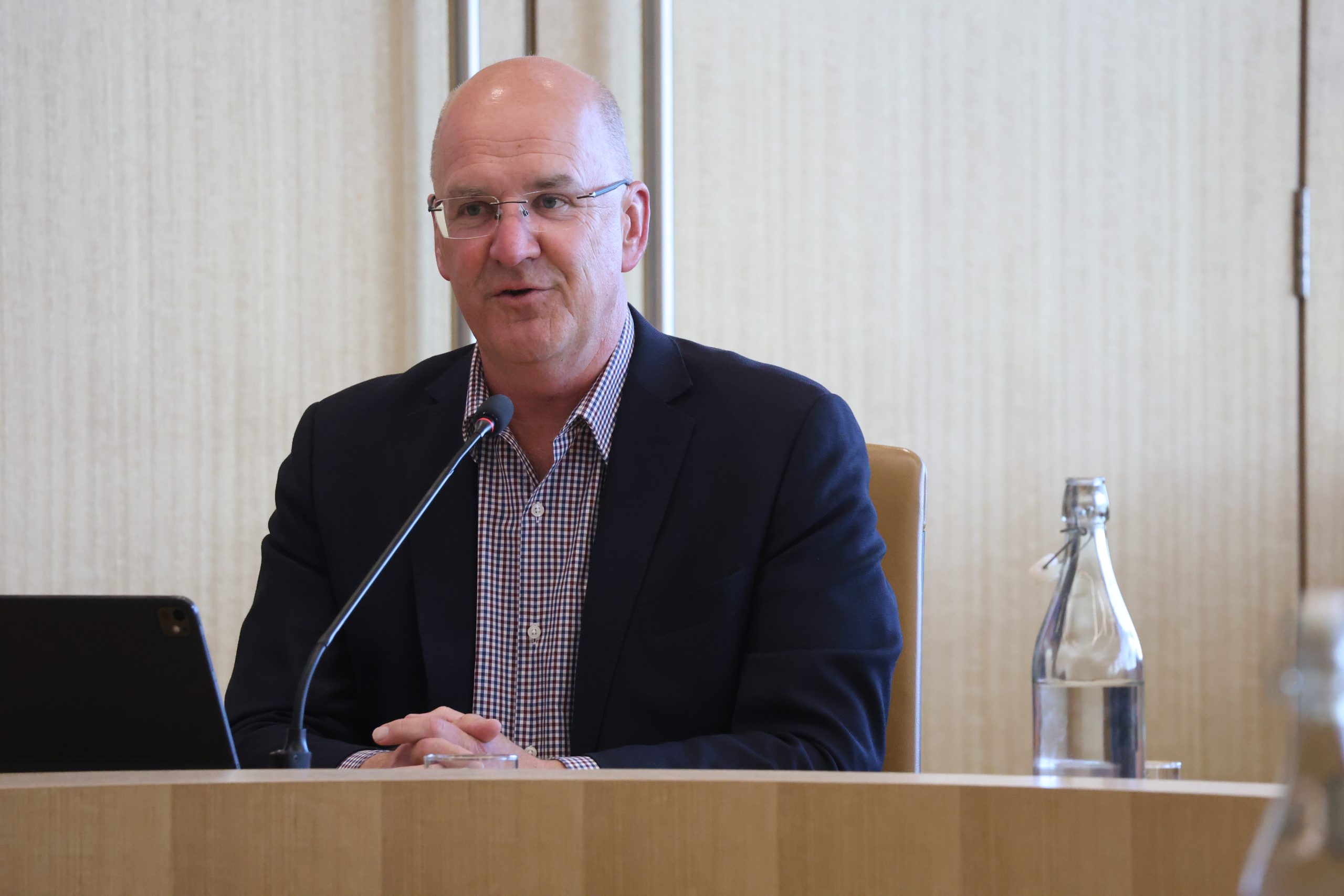
Incumbent Nationals Member for Gippsland South, Danny O’Brien said the region was facing economic challenges, highlighted by the closure of power stations in the Latrobe Valley, dwindling gas supplies in Bass Strait and the ending of the native timber industry.
“Frankly, we wouldn’t have half of our communities in Gippsland if we didn’t have those fossil fuel industries, and I’m not convinced that we are going to get the benefits from the renewable transition,” Mr O’Brien said.
“In terms of what government can do, we actually also need to be getting a fair share of infrastructure investment, and were’ not getting that at the moment. We’re getting 12 per cent of the state’s infrastructure investment, that’s been consistent throughout the past five years. That’s why the Nationals have committed to a 25 per cent minimum ‘Fair Share Guarantee’ of infrastructure investment to come to regional Victoria.
“That’s what will help make investments in jobs-producing, infrastucture, whether it’s schools, hospitals, roads, rail … I’m determined to make sure we get our fair share.”
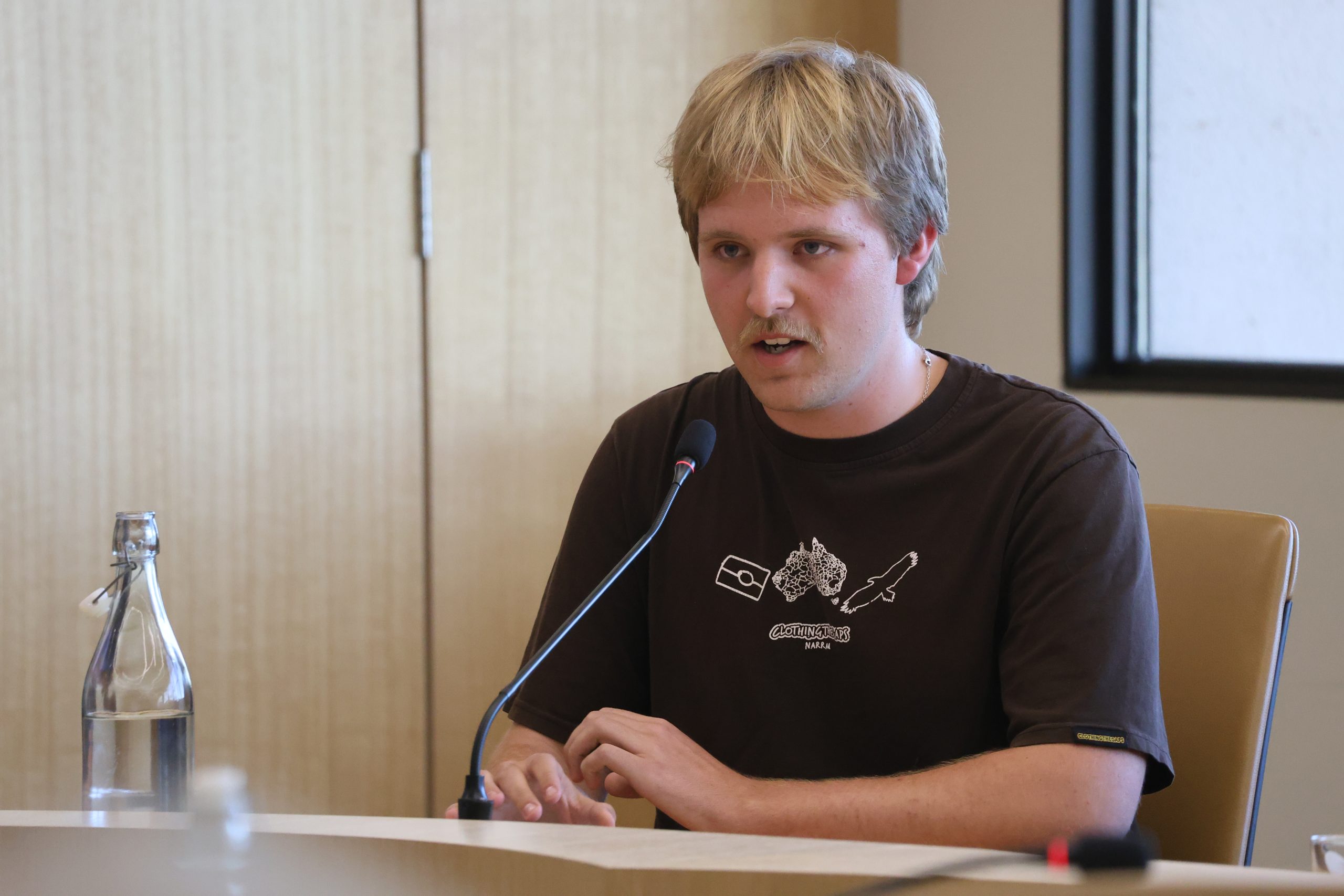
The environment was also a challenge for Gippsland, according to the Victorian Socialists’ Gippsland South candidate Lachie McGennisken.
“I think the fossil fuel industry is a serious challenge in this electorate,” he said.
“I think we should absolutely be talking about renewable energy and how we transition into something that doesn’t cause as much destruction to our environment (as fossil fuels).”
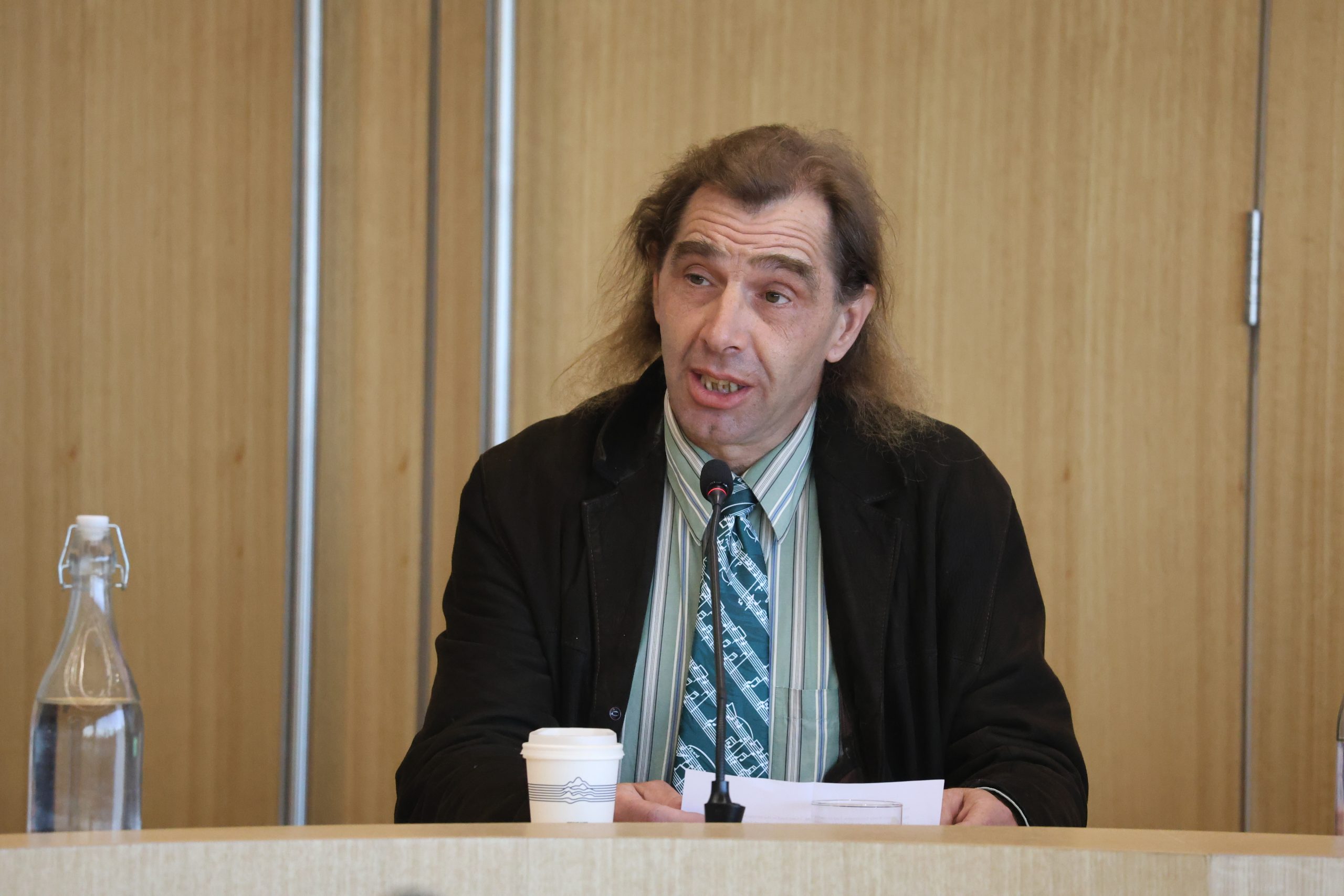
Gippsland South independent candidate Phillip Schuhmann highlighted another challenge.
“The biggest challenge facing our electorate is government overreach and deliberate bipartisan bad policy,” he said.
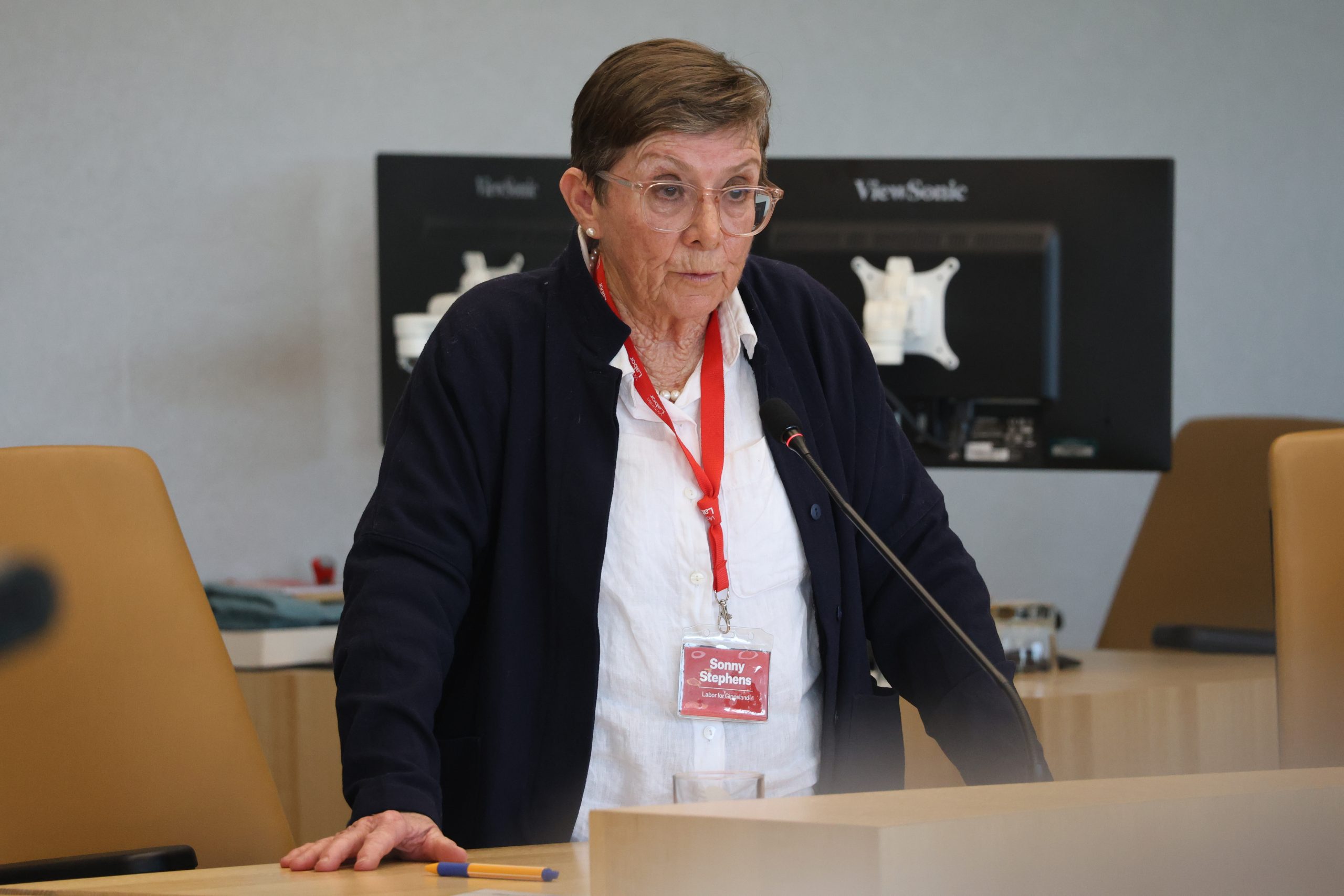
Of the candidates for Gippsland East, Labor’s Sonny Stephens said the greatest challenge was needing to deal with the impact of climate change on resources and industries.
“More extreme and less predictible temperatures, storms, rain and wind events creates an underlying insecurity,” she said.
“There is a pervasive threat of bushfires, with floods, and the impact of such events affect us all with its impacts on the environment, agriculture, fisheries, tourism and general liveability.”
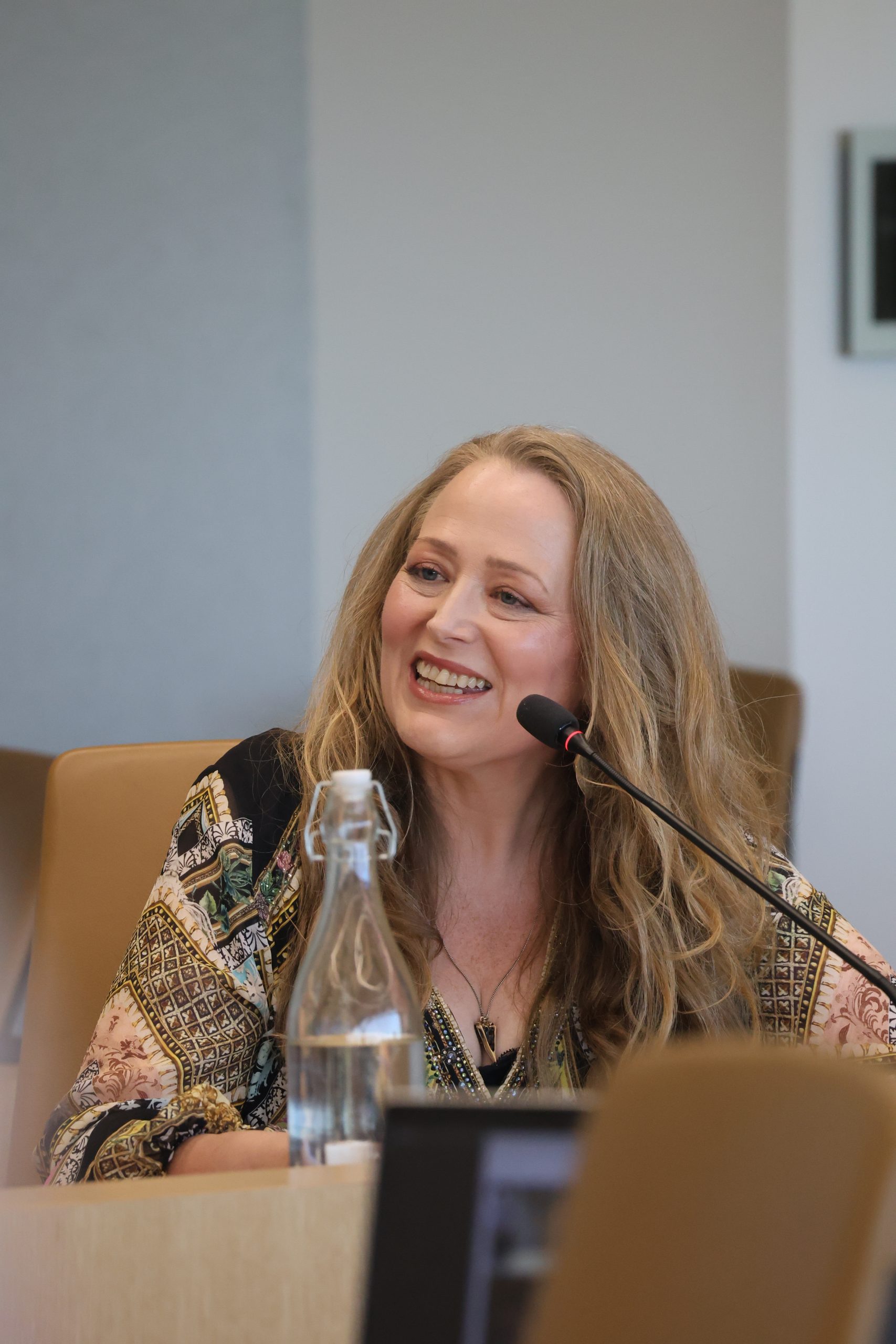
The Victorian Socialists’ Amy Espeseth said inequality of access was a major issue.
“Living in East Gippsland shouldn’t mean accepting less. That means whether it’s finding a specialist, a GP, accessing mental health care, getting childcare, finding an affordable home, studying or getting somewhere without a car,” she said.
“Distance magnifies the disdvantage that we have in Gippsland East.
“And these aren’t separate problems: if you can’t find childcare, you can’t work, if a health worker can’t find housing, we can’t retain the health worker, and if young people can’t study or find secure work locally, we lose them.
“Our communities are resilient, but resilience shouldn’t be the polite word that governments use for expecting rural people to do without. We need a change in government to change things up and get Gippsland actual results, rather than election promises.”
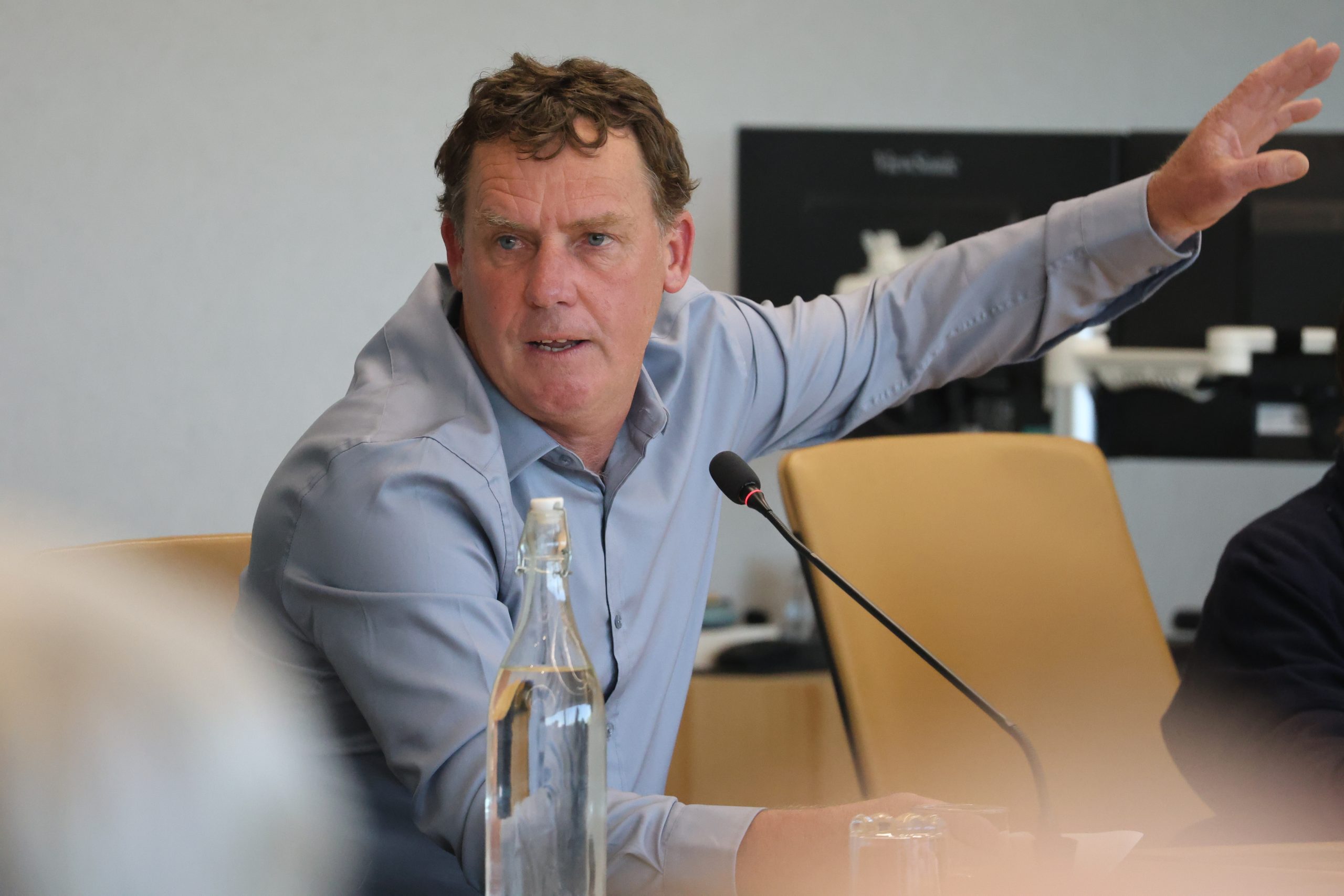
One Nation candidate Steve Goodman outlined three main challenges for Gippsland East.
“In East Gippsland itself, the largest age group is 55-to-62 and the healthcare is absolutely terrible. So in five-to-six years, if we don’t do anything now, that’s going to be pretty ordinary,” he said.
“Our roads are deplorable. That is a major issue because it affects transport, tourism and general safety.
“(Plus) the decline in industry and small business.”
Mr Goodman said renewing the timber and fishing industries would help get towns up and running again, and “start to rebuild East Gippsland”.
“Since the decline of logging in Swifts Creeks, Orbost, Omeo – these towns are dying and people are going into Bairnsdale. There’s homelessness, there’s slums, they’ve got no prospects for jobs, there’s no self-esteem,” Mr Goodman said.
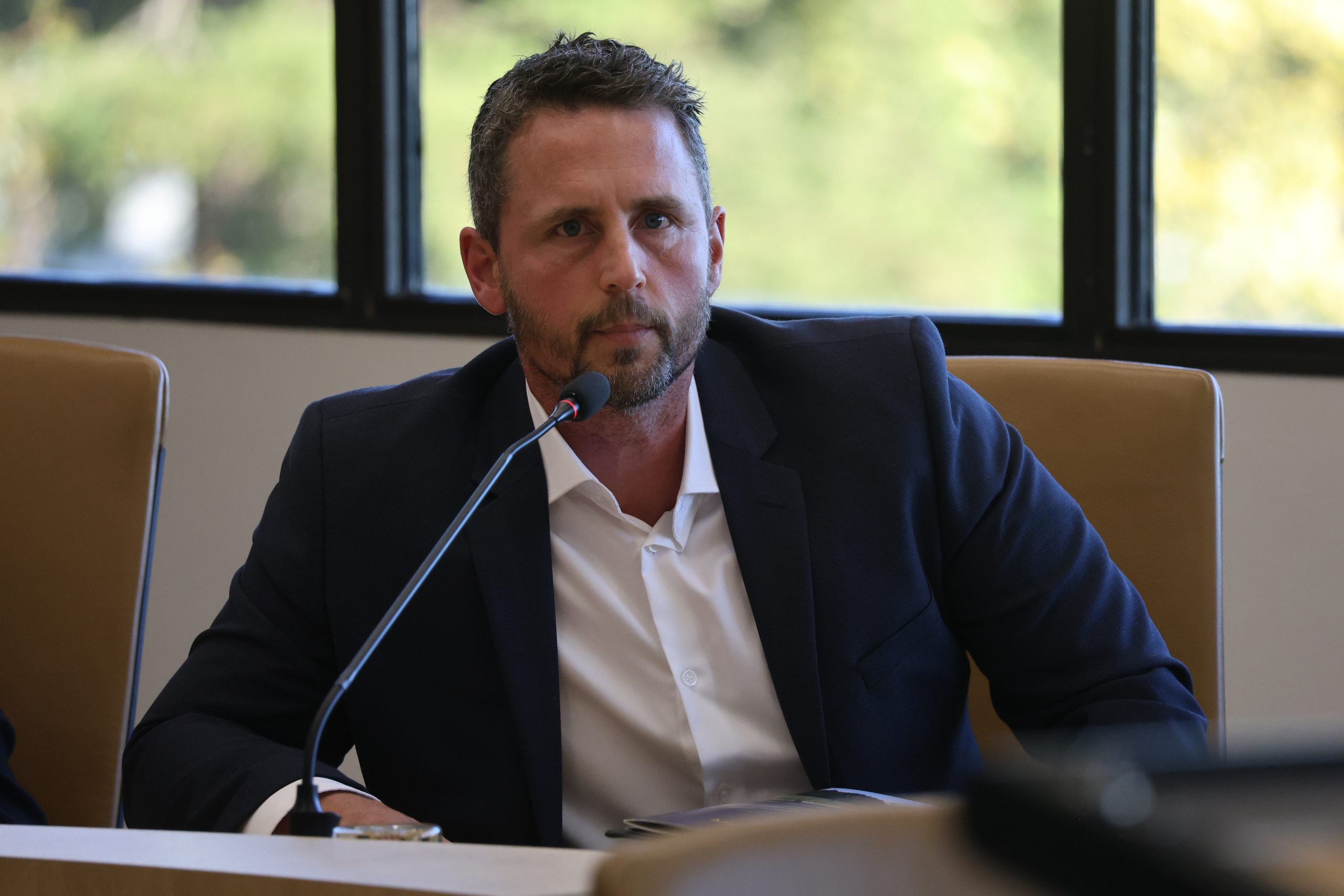
To help deal with cost-of-living, as well as keeping business and industry going, One Nation upper house candidate Clay Esler pointed to the need for reliable baseload power.
Mr Esler said reducing costs for business and industry would have a “flow-on effect for people to afford houses”.
“It allows people to put food on their table and increases the opportunity for businesses to invest here in our communities to build the industry, build more jobs,” he said.
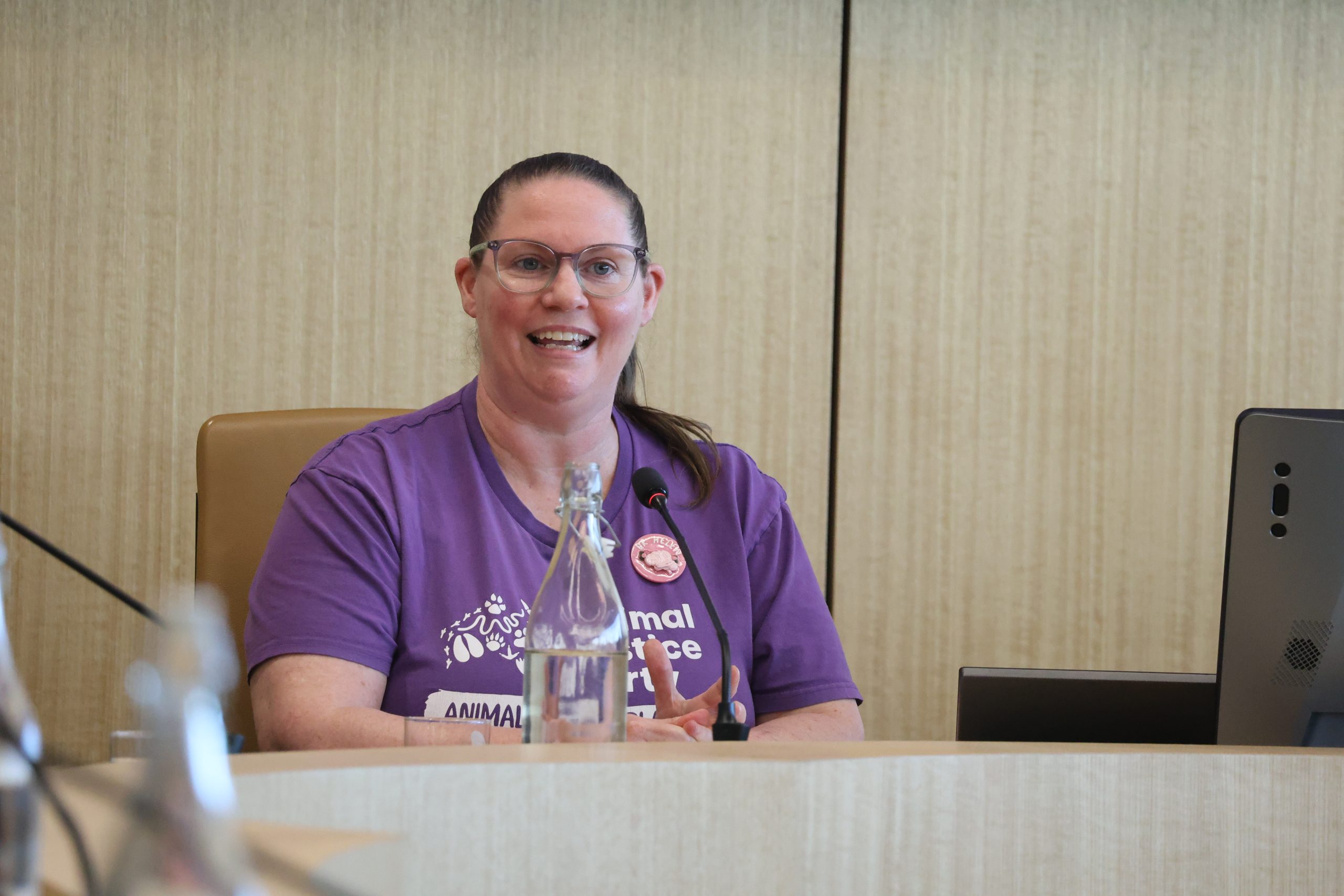
Another upper house candidate, Helen Jeges from the Animal Justice Party, said cost-of-living was an issue.
“One of the unique positions of the Animal Justice Party (on cost-of-living) is our Veticare policy. That is a cost-of-living measure for people to use to access veterinary services for companion animals,” she said.
“As we’ve seen increases in cost-of-living prices, we’ve seen an absolute influx of animals being surrendered to shelters. There’s a rehoming crisis. We’re euthanising so many companion animals, not because people don’t love them and don’t care for them, but they’re literally having to choose to keep their best mate or put food on the table.”
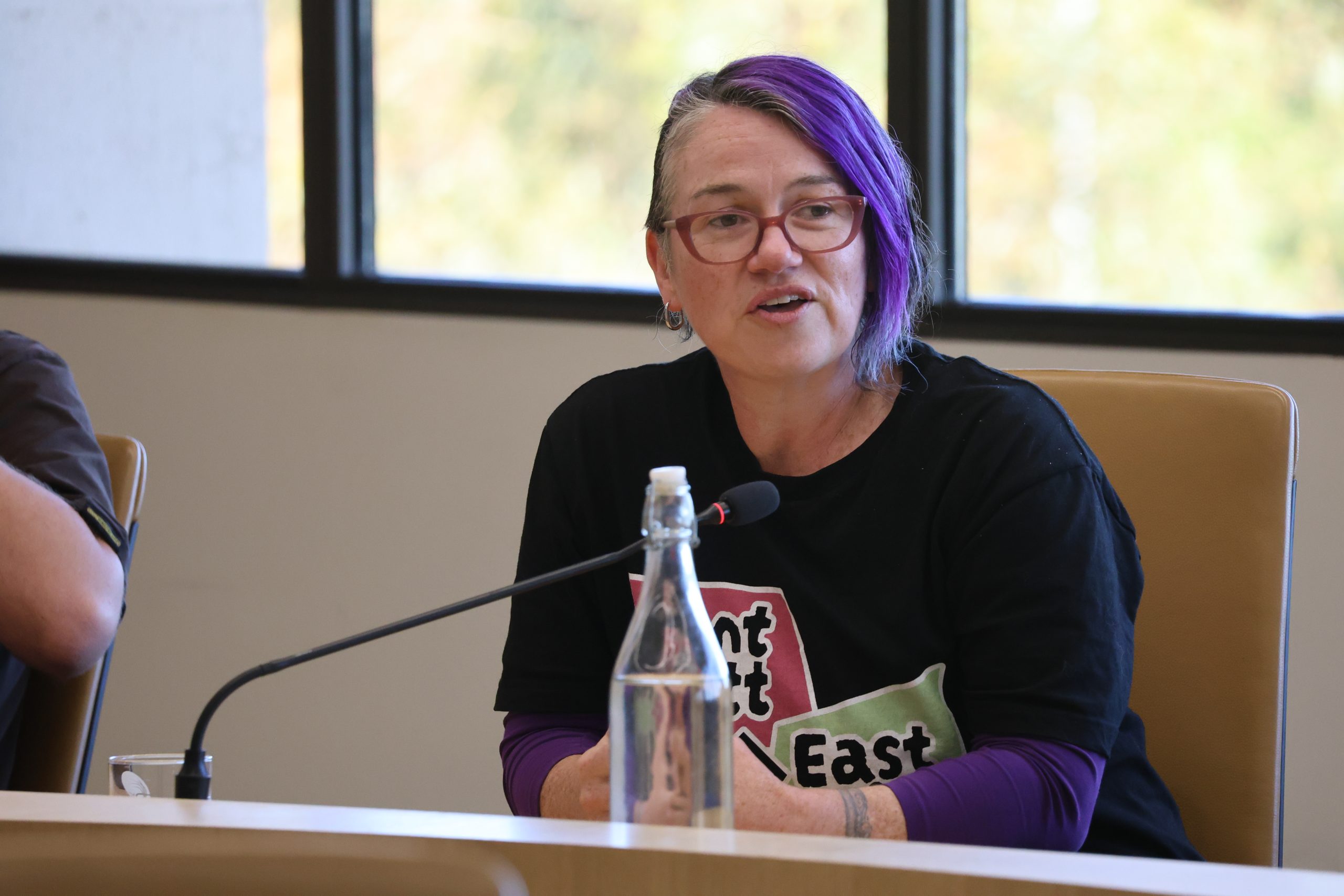
Independent upper house candidate Antoinette Pitt said it was important to take investment and resources outside the Melbourne metro area.
“It’s not fair that regional Victoria supplies all the food, all the energy, and all the water, and what do we get back in return? I think we need people in there who are going to fight to put their funding out past the Metro train lines,” she said.
Labor candidate for Gippsland South Amy Barry-Macaulay, and Gippsland East candidates Gemma Rendell (Nationals) and Ash Munro (Greens) were apologies for the forum, while Ricky Muir’s candidacy for the Shooters, Fishers and Farmers Party for Gippsland East was only confirmed on social media while the event was being held (on Thursday, October 29).
A video of the forum is available on the Gippsland Times Facebook page.