


By CLEM STURMFELS
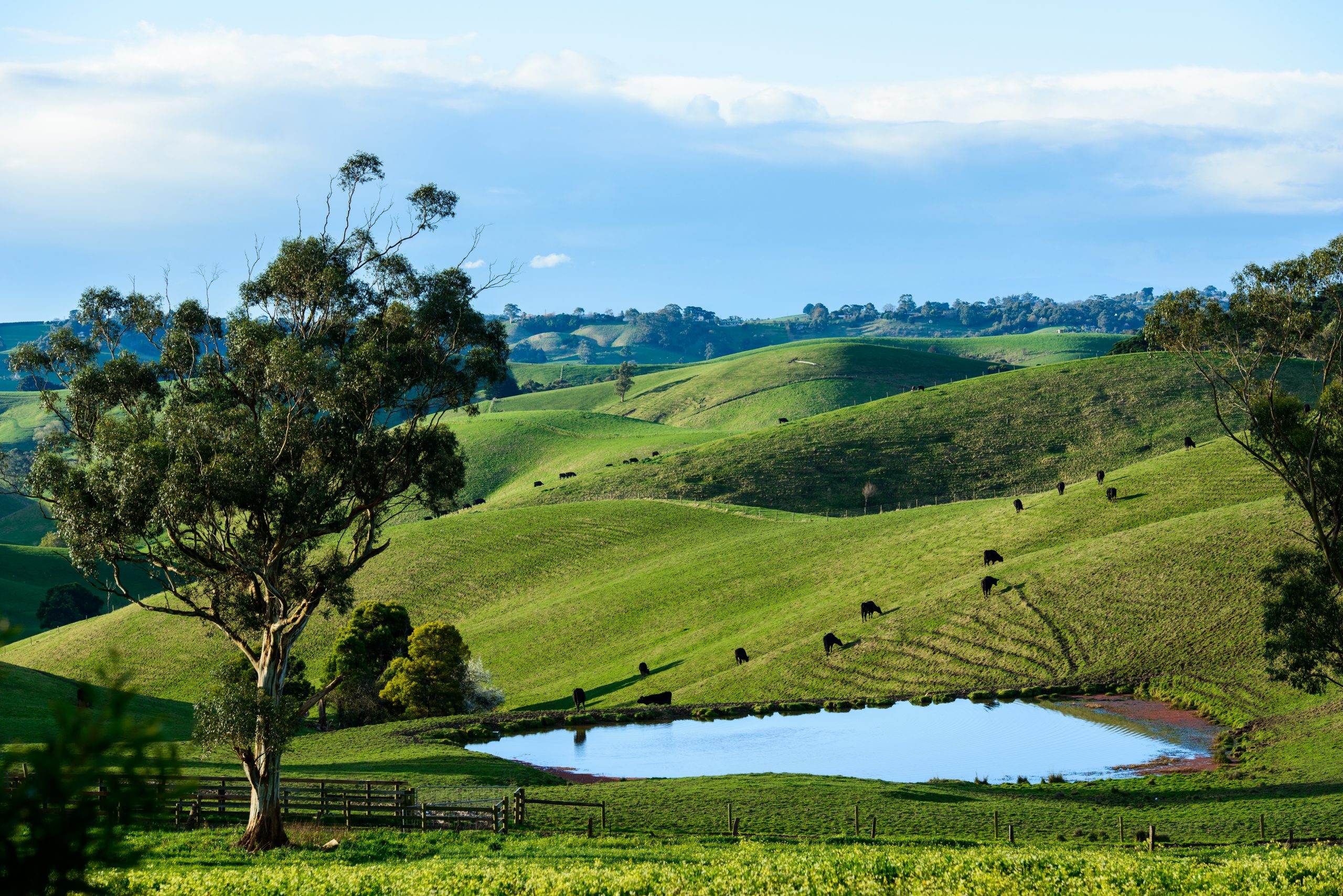
FARMERS in fire-affected areas are encouraged to monitor their dams and remove floating debris as soon as possible following heavy or prolonged rain.
They should also consider installing sediment traps upstream of their bigger dams.
Following fires, many dams became unusable due to pollution from decomposing organic matter or after being filled with soil, sand, and gravel.
While little can be done in the short term to remove the heavier materials, quick action to remove floating materials can be highly effective in maintaining water quality. Typically, these floating materials consist of ash, charcoal, straw, grass, leaves, and manure. These materials can cause issues for the water supply if they aren’t quickly removed.
Within a couple of days, debris will sink and begin to break-down, causing the water to become putrid and potentially unusable for livestock.
There are many ways to remove debris from dams, including dragging the material to the bank using a chain mesh boom. Use of chain mesh, which is commonly used to construct tennis court fences, suspended from a series of floats to create a boom to clear the debris. The boom can then be dragged across the dam using ropes attached to each end.
Once the debris has been dragged to the side of the dam, it can be removed using a small weldmesh cage or with a sieving bucket on an excavator. While upstream sediment traps will reduce the risk of pollution, it is inevitable that some dams will become contaminated.
When time permits, sediment traps can be installed to prevent debris from entering dams. There are a number of ways that farmers can establish a sediment trap.
Common approaches include attaching wire netting on the upstream side of existing fences where they cross the drainage line (to trap the flood debris) or establishing a temporary netting fence across a drainage line if there is no existing fence.
For current available bushfire support, visit: www.agriculture.vic.gov.au/bushfires
Clem Sturmfels is Land Management Extension Officer at Agriculture Victoria