


By AIDAN KNIGHT
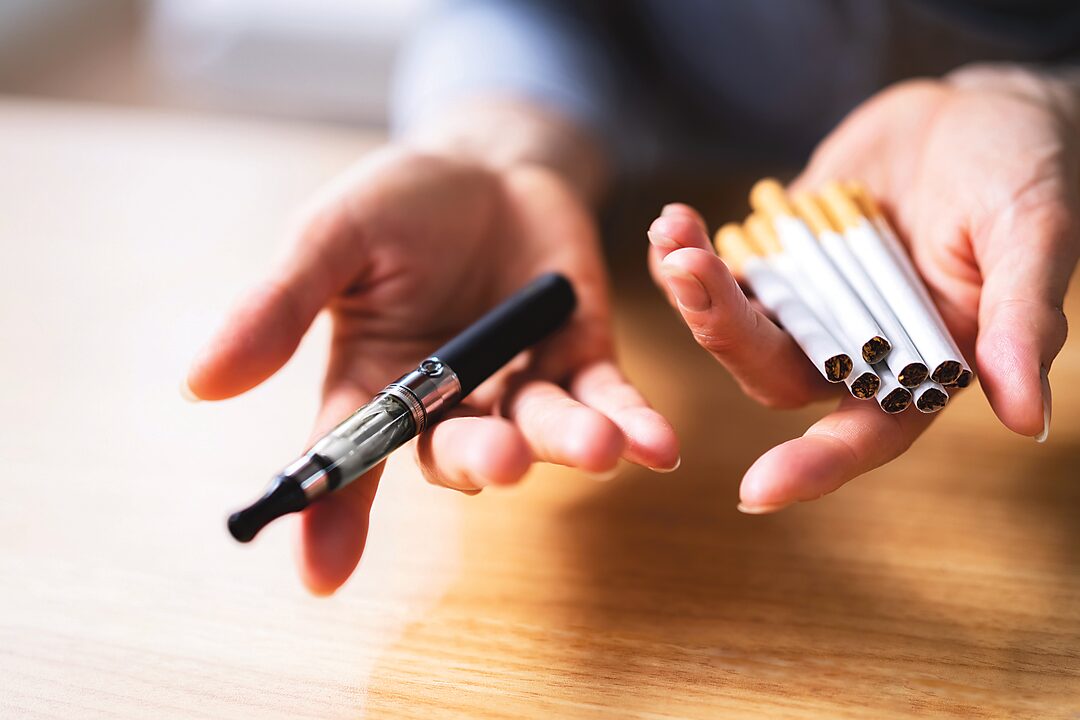
FOLLOWING new economic modelling, the Australian Association of Convenience Stores (AACS) has urged the Prime Minister to reassess the country’s tobacco excise.
Tobacco was recorded in 2020 as the fourth-largest source of federal tax revenue, collected through levies on production, transport, storage and retail.
AACS Chief Executive, Theo Foukkare called the current excise self-defeating, as the modelling appears to be directly responsible in the rapid rise of the illicit tobacco trade that has swept the nation in recent years.
Mr Foukkare pointed to a report by Oxford Economics published on February 16, which estimated the legal tobacco market was down $16.3 billion in 2019/20, in the most recent complete dataset. Based on current modelling, a further $5.5 billion decline is projected by the end of this year, with around $67 billion lost over the past decade as smokers increasingly turn to cheaper, illegal alternatives that avoid excise.
“The legal market is being replaced by an illegal one,” Mr Foukkare said.
“Going by this report, if the current trajectory continues, Australia risks losing its legal tobacco market entirely by 2029.”
Beyond lost tax revenue, the issue is increasingly tied to crime, with concerns growing in regional areas including Gippsland.
The Express spoke to Member for Monash, Mary Aldred, who has raised the issue in federal parliament, citing concerns about illegal tobacco and vape sales across her electorate.
“It is no longer a metropolitan problem; it has spread out to the regions, including Monash,” she said.
“Since 2023, more than 200 arson attacks of grocers and tobacco shops have been reported across Australia, including a ram-raid and subsequent firebombing in Longwarry.
“These crimes are putting communities across Monash at risk. I speak with retail workers and small business owners in my community who are worried about being assaulted and robbed. I have heard from parents worried about their kids being sold vapes. Our community is genuinely concerned about this.”
Speaking in the House of Representatives earlier this month, Ms Aldred pointed to Inverloch as an example of the growing problem, claiming an outlet allegedly continued selling illicit vapes even after being raided by the Therapeutic Goods Administration.
Sources close to the Express also claim there is a similar store in Yallourn North, within walking distance of the primary school – an obvious concern to the community.
“I’ve had local residents reach out to voice their concerns,” she said.
“Despite being raided by federal authorities just days ago, this outlet continues to allegedly sell vapes to children.”
Ms Aldred argued the issue extended well beyond a single town, describing illegal tobacco as a growing national crisis fuelled by organised crime and high excise rates.
She cited estimates of hundreds of arson attacks linked to tobacco turf wars and billions in lost legal sales, while seizures by Australian Border Force and other agencies continue to rise.
According to Ms Aldred, escalating tobacco taxes have pushed smokers towards the black market, claiming nearly $30 of a $50 cigarette pack now goes to tax.
“Government price increases on cigarettes are driving up crime and smoking,” she told parliament.
Mr Foukkare echoed the urgency in a direct appeal to the Prime Minister, urging a review of current settings.
“The Prime Minister needs to step in and have an honest conversation with his Health Minister Mark Butler, and Treasurer Jim Chalmers about whether current excise settings are unintentionally driving the black market.
“If we lose the legal retail channel, we lose control of tobacco control. Plain and simple,” he went on to say.
“The PM has a choice – a regulated market that pays tax and follows the law, or a market 100 per cent controlled by organised crime. If we don’t act soon, that choice will be made for us.
“If the legal market disappears, the tax revenue disappears with it – but demand doesn’t disappear. It simply shifts into the hands of criminal networks.”
Ms Aldred has called for sweeping reforms, including a reassessment of the excise rate, a national taskforce led by the Australian Federal Police, and stronger powers to shut down illegal retailers.
She also suggested licensing reforms and landlord termination powers to close illicit outlets. The renewed push follows broader concerns from industry groups that the legal tobacco market could shrink dramatically if illicit trade continues to grow.
Her vocal stance saw her named co-chair of the Coalition’s new Illegal Tobacco Taskforce (ITTF), by fresh Liberal leader Angus Taylor.
The first iteration of the ITTF dates back to 2018, as part of the Turnbull government’s ‘Black Economy Package’, and was led by the Australian Border Force. It was within this that laws were first introduced requiring a permit for all tobacco imports.
Ms Aldred has suggested excise levels could be wound back to around 2018 settings – potentially lowering the cost of a packet of cigarettes to under $30 – alongside stronger enforcement measures.
“Reducing the tobacco excise is just one aspect of the multi-pronged federal reform required. Absolutely, the AFP taskforce needs to be beefed-up and enforcement powers strengthened to pull down the shutters on illegal tobacco shops.”
However, public health advocates continue to defend high tobacco taxes as one of the most effective tools for reducing smoking rates, highlighting the ongoing tension between health policy and economic concerns.
For now, the debate is set to intensify as pressure builds on the federal government to balance public health goals with rising concerns about crime, enforcement and the future of Australia’s legal tobacco mark.
Statistically, illicit tobacco crime in Victoria has seen more than 100 arson attacks linked to tobacco turf wars since 2023 and more than 100 arrests tied to illicit tobacco investigations
Police have made more than 200 raids and search warrants targeting the trade.