


By BLAKE METCALF-HOLT
WHILE fuel prices continue to soar, everything surrounding it has begun to spiral.
Latrobe Valley locals highlighted an abundance of incidents last week as they filled up at their local service stations.
A number of service stations have ran into quite a few problems, not only related to price gouging allegations and panic buying, but also including technical issues which has forced some to close during peak business hours.
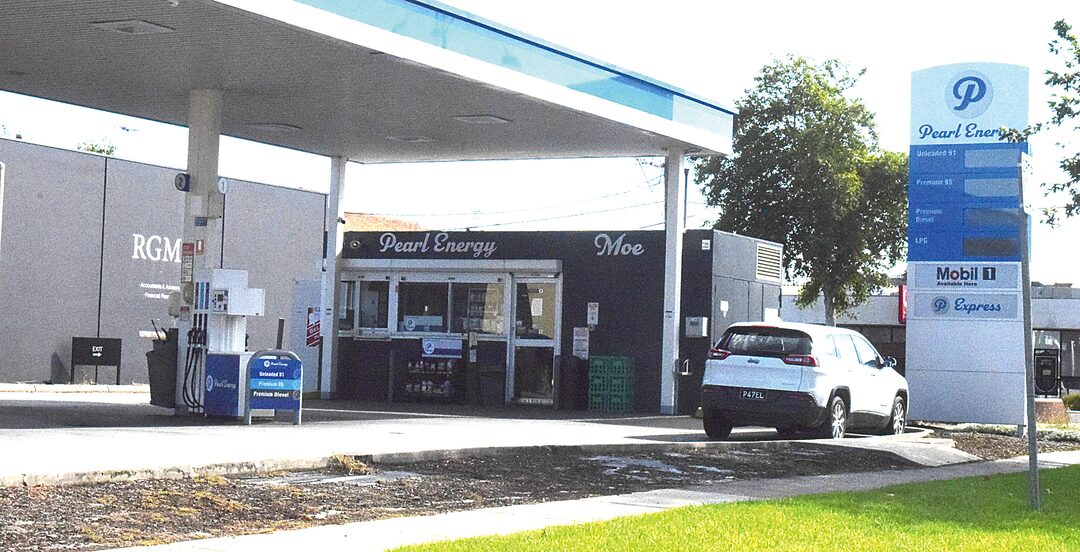
Pearl Energy and Solo, on Kirk Street and Moore St in Moe respectively, were both closed for an extended period of time on Tuesday, March 10.
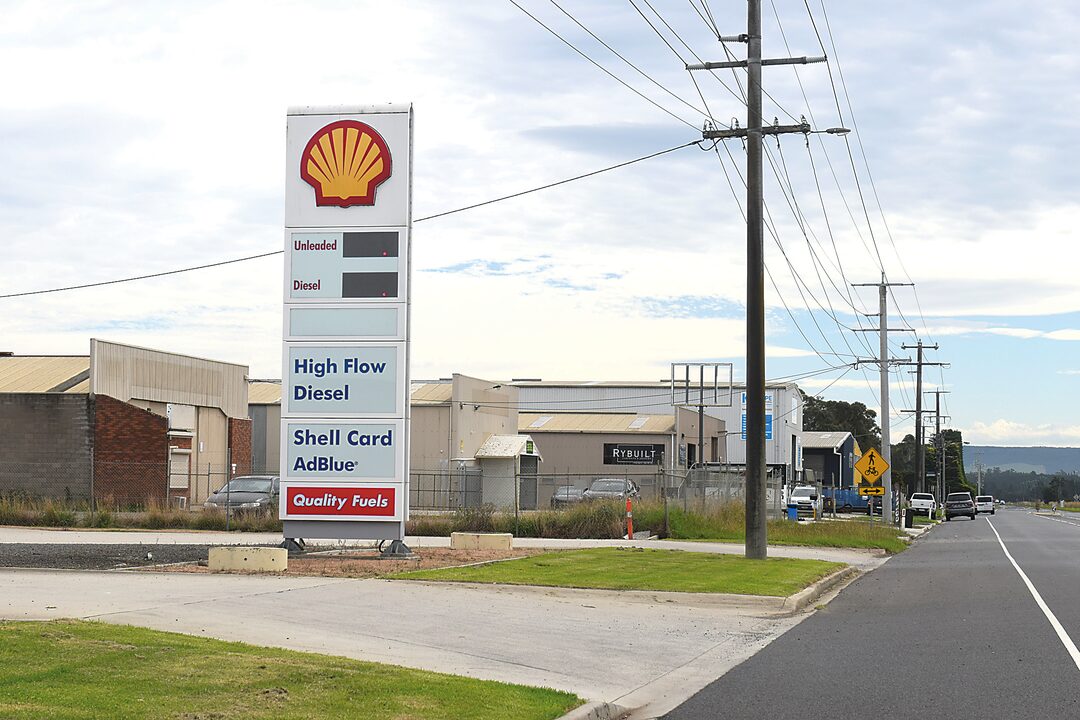
Also on Tuesday, customers arriving to the Morwell Shell self-service station on Alexander Road were left shocked to discover that prices were starkly different to what was advertised on the street pricing board.
Drivers pulling in viewed the signage displaying $1.63 for regular unleaded and $1.84 for diesel, only to find that once at the bowser that it was actually around 40 cents more.
An anonymous user who posted a video detailing this discrepancy on a Traralgon community Facebook page also noted that the self-serve machine’s receipt printer was out of paper, not allowing for customers to prove that they were “ripped-off”.
The board signage has since been turned off and is not displaying any prices, despite still being open.
The Australian Competition and Consumer Commission did not provide comment when asked by the Express if this had been reported.
Shell and its Australian subsidiary Viva Energy also did not respond to the Express’ enquiries.
Due to a majority of Australians feeling as though prices will continually rise for some time, fuel companies have experienced mass panic buying.
Liberty, on Shakespeare St in Traralgon, issued that they had ran out of E10 gas, premium unleaded 95 and premium diesel on Monday, March 9.
Gippsland distributor Evans Petroleum, which resells BP and Castrol fuel, issued pleas across last week.
They then made the announcement on Thursday, March 12 that they would be enforcing heavier restrictions on its diesel products and the ceasing of overnight payment terminals for the time being.
“From yesterday (March 11) until further notice, our OPTs have been shut off. Meaning you can only get fuel during site opening hours,” the statement read.
“From today (March 13) for diesel products, we are restricting volumes customers can have, so that we can make sure every customer gets what they need to keep going.
“We understand these are tough times, but if we work together, we can get through this.”
The continual increase in fuel prices is also effecting local businesses and residents.
The food delivery industry is one area that is being monitored, as Churchill takeaway Pizza HQ detailed that they have been forced to marginally bump up their delivery fees to ensure drivers are compensated properly.
The small business prefaced that this was temporary and will be corrected according to updated fuel prices.
Given the national concern around Australia’s reportedly dwindling fuel supply, one Moe resident spoke to the Express about worries in local pharmacies getting medication to the region.
“It must be costing an absolute fortune and it’s depriving local people and businesses,” they said.
The state government announced on Tuesday, starting from that day, daily fuel caps would be in place for fuel retailers across the state.
This is a new anti-price gouging initiative for Victoria, following in the footsteps of Western Australia’s long-standing laws.
Service stations are now forced to set their fuel prices a day in advance, giving customers a 24-hour window to find the best deal.
Prices are allowed to be reduced during the 24-hour period, but cannot be raised.
Failure to register or report updated prices will result in a $3000 or more fine for each breach, or more than $24,000 if companies take it to court.
For the week ending March 8, the first full week since the conflict in the Middle East arose, the average retail petrol price across Australia was $1.98, according to the Australian Institute of Petroleum.