



By DAVID BRAITHWAITE
FEDERAL Member for Gippsland Darren Chester said he was “incredibly honoured” to have been elected deputy leader of the Nationals.
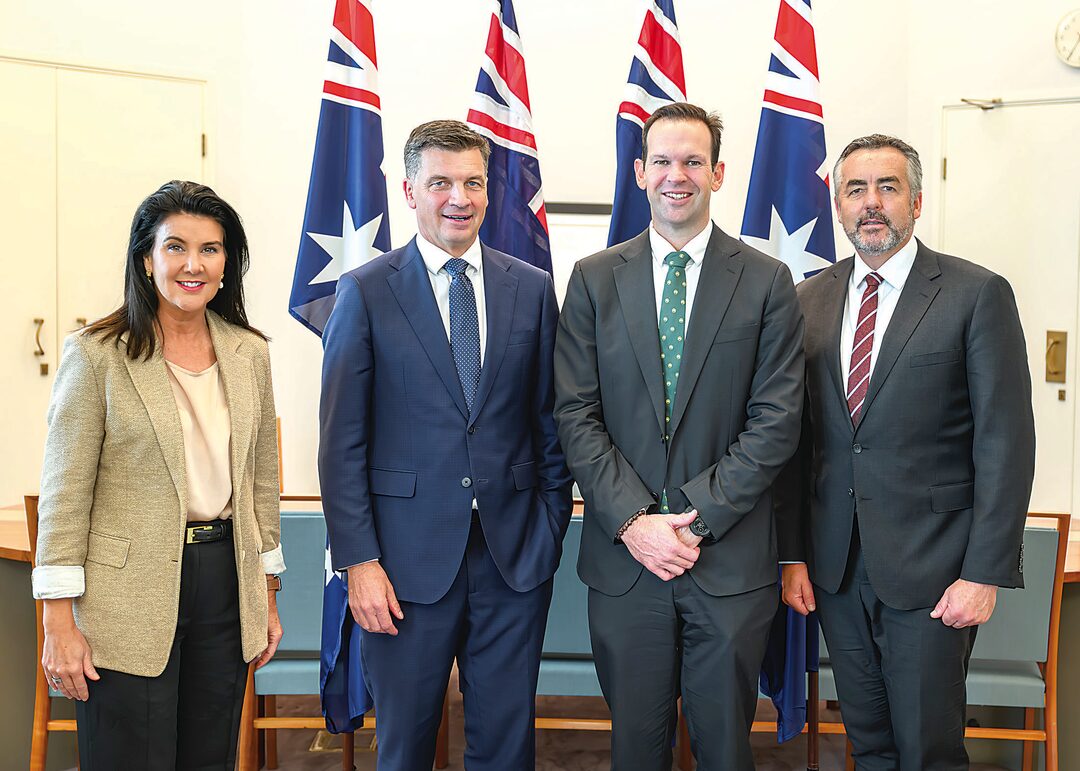
Mr Chester and new Nationals leader Matt Canavan were elected to their roles during a vote of Nationals MPs and Senators last Wednesday, a day following the shock resignation of former leader David Littleproud.
Senator Canavan, from Queensland, won a ballot for the leadership ahead of previous deputy leader Kevin Hogan and Bridget McKenzie, who will remain the party’s leader in the Senate. The Nationals didn’t disclose the tallies of the party room votes.
Senator Canavan is the first Nationals leader to come from the upper house of federal parliament. Mr Chester thanked his Nationals colleagues for placing their trust in him to be the new deputy leader, while also acknowledging the “hard work and dedication” of Mr Littleproud and Mr Hogan.
Mr Chester’s elevation means he will also likely be promoted to a more senior portfolio in the shadow cabinet.
“As someone who was born and raised in Gippsland and chose to raise my own children in the regions, I understand how important it is that the voices of regional communities are heard clearly in Canberra,” Mr Chester said.
“Small-town Australia needs louder voices than ever.
“After four years of this Labor government, Australians are worse off and too many people have been left behind. Most of us are feeling abandoned by a Prime Minister who promised to govern for all Australians.
“We haven’t been shown the respect we deserve in regional Australia by urban-centric policy makers.
“The growing divide between city-country and the ruling elites in the Labor-Greens-Teals has seen country people stripped of jobs in traditional industries and basic rights removed in the interests of political expediency.
“We haven’t been receiving our fair share. Australia is worth fighting for, and I’m privileged to bring my experience representing the people of Gippsland to this important role.
“The Nationals exist for one reason: to stand up for the millions of Australians who live outside our capital cities.
“I’m determined to help deliver a stronger, safer and fairer regional Australia, where everyone can get ahead.
“Under new leadership at state and federal levels, and as functioning Coalitions, we need to commit ourselves to doing the hard work required to hold the Labor Party to account as we engage with all Australians, hear their concerns, and develop policies that make a real difference in people’s lives.
“We need to be focused on the issues that matter.”
Mr Chester said he would keep working to represent the people of Gippsland and “the communities that make our regions such special places to live”.
The election of new leaders for the Nationals and Liberals in recent weeks comes after the Coalition parties are under pressure from One Nation to retain the support of conservative voters. Recent opinion polls have had Pauline Hanson’s party ahead of the Coalition on primary vote.
Mr Littleproud resigned as Nationals leader after nearly four years in the role, but will continue to serve as member for the Queensland seat of Maranoa.
“Leading this great party has been an enormous honour and privilege, but I have concluded that I am no longer the best person to lead the Nationals,” he said.
“The leader must be able to give everything they have, but after the last few months, I have come to realise that I no longer have the energy required to do this job to the best of my ability. I love the Nationals and regional Australia too much not to give it everything.”
Mr Littleproud said the Nationals under his leadership had “fought some tough battles and achieved great outcomes for regional Australia”, pointing to the defeat of the Indigenous Voice to Parliament, scrapping of the Coalition’s commitment to net zero, and securing a commitment for the Regional Australia Future Fund and powers to crack down on big supermarkets as Coalition policy.
Prime Minister Anthony Albanese said while he and Mr Littleproud came from “very different political traditions and backgrounds”, they shared a mutual respect for the great honour of serving in the Parliament of Australia.
“(We) have been able to work together on many issues affecting his community, the regions and our national interest,” he said.