


By AIDAN KNIGHT
A MONASH University, Churchill facility has come under fire, following a Legislative Council motion for greater transparency of its operations.
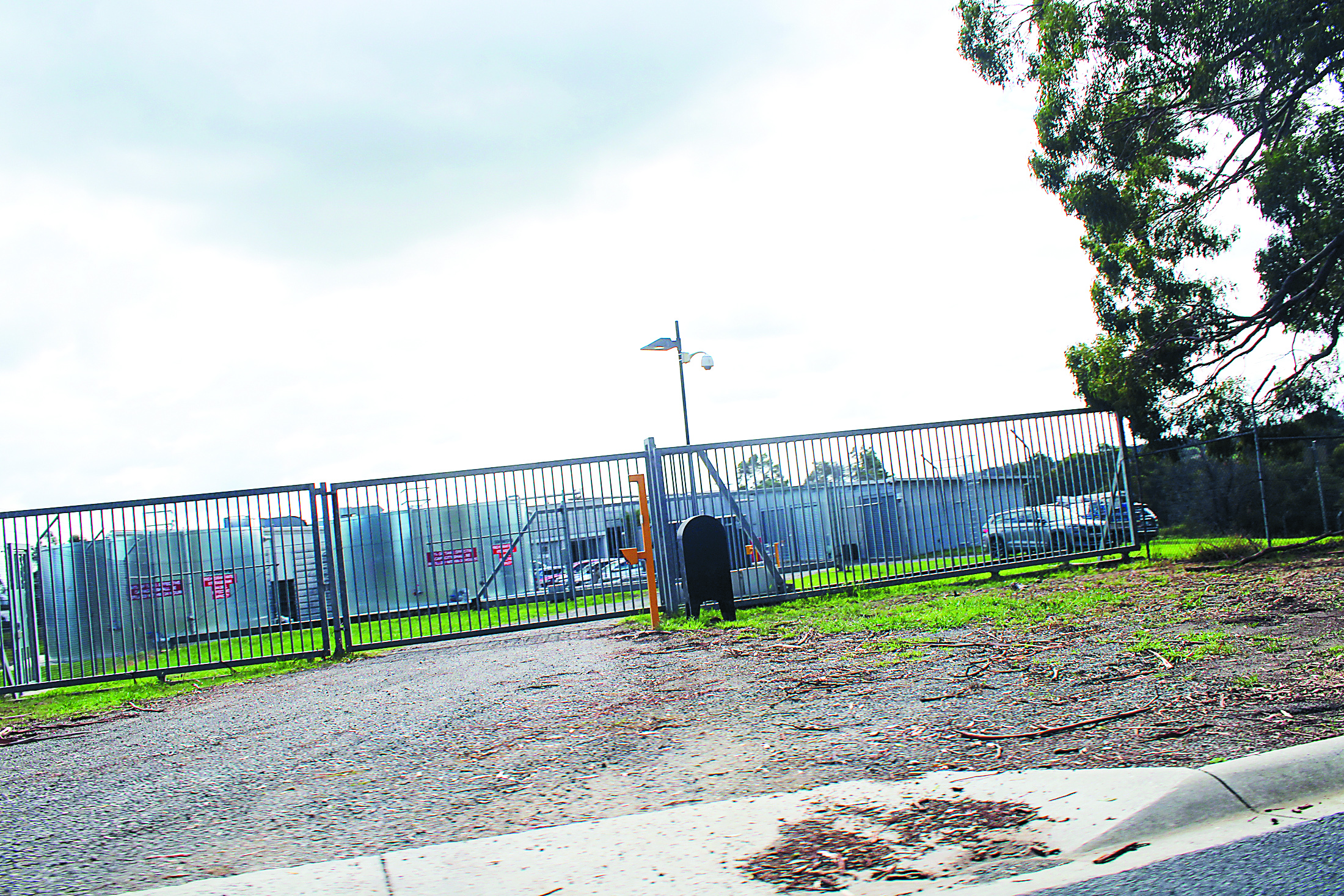
In the early 2000s, Monash University developed a laboratory adjacent to its then Gippsland campus, dedicated to the breeding of monkeys, and other closely related primates, for use in medical testing trials.
While this is public knowledge, it’s often brushed off in the Latrobe Valley community as something of a conspiracy theory – similar to that of black panther sightings in Noojee and the like.
The Gippsland Field Station, managed by the Monash Animal Research Platform (MARP), houses 850 marmosets (South American monkeys) and macaques (barbary apes), and has a legal permit to do so providing they do not exceed that number, conducting experiments in an effort to improve human health outcomes.
Georgie Purcell, the second-ever member of the Victorian Parliament to represent the Animal Justice Party, brought up the Churchill facility in Parliament last month.
Formally raising the issue on Wednesday, March 18, the Northern Victoria representative noted that primates are “highly intelligent and socially complex” species, and that any circumstance involving them in experimentation should be questioned ethically. Also noted was that under the Catchment and Land Protection Act 1994, permits are required to keep exotic species under regulation, which she called the government to table.
Ms Purcell’s motion called for the release of documents from Monash detailing their primate-related activities.
In her contribution to Parliament, Ms Purcell alleged the facility has operated “in secrecy for over 15 years”, and raised concerns about the nature of experiments conducted onsite. Parliament heard claims, sourced from advocacy groups, that experiments at the site have included neurological procedures and infectious disease research involving primates.
“We can’t know for certain exactly what is happening inside this facility, but we can be sure that it’s a house of horrors,” Ms Purcell told the Express.
“We know of at least five monkeys dying at the facility due to heart failure, chronic infections, anaesthesia errors and even extreme bullying. We know that monkeys had been deliberately infected with HIV or had their brains opened up.
“But the scariest part is that we don’t know much more about what’s going on every day within this facility. We don’t know whether this is common practice. Information is scarce, and it’s intentionally and fiercely kept secret by Monash University, which poses the question – why?”

Ms Purcell said the lack of transparency surrounding the facility was deeply concerning.
“Getting this information out of Monash University has been a battle, so I have moved a documents motion in the Parliament which compels the government to release all documents that relate to primates kept for research purposes by Monash University,” she said.
“The time for secrecy has passed and it’s time that we bring justice to the monkeys that are currently being held in this facility – and those that have experienced unthinkable horrors in the past.”
This isn’t the first time the facility has faced backlash, with a public campaign against primate testing at the lab last year, led by Robyn Kirby, Animal-free Science Advocacy.
The facility is located on Lawless Road, Churchill.
Several marked company vehicles belonging to a local pest control brand have been sighted entering the premises, prompting questions on whether or not monkeys are the only animals used as test subjects, and whether MARP would source other species from.
The Express has located documents published by MARP concerning male mice used as the animal model in testing (specifically for blood pressure and intestinal health), but it is unclear if this occurred at the Churchill “field station”, Monash Clayton, or Parkville.
The motion also highlighted that Monash University has not signed the Openness Agreement on Animal Research and Teaching in Australia, despite operating the only known primate research facility of its kind in Victoria.
Government members did not oppose the motion, acknowledging the importance of transparency while also defending the role of animal research in advancing medical science.
Calls for transparency are now growing, with the Parliamentary motion requiring the government to produce relevant documents within four weeks if passed.
“If animal testing is justified, there should be nothing to hide,” Ms Purcell insists.