


By BLAKE METCALF-HOLT
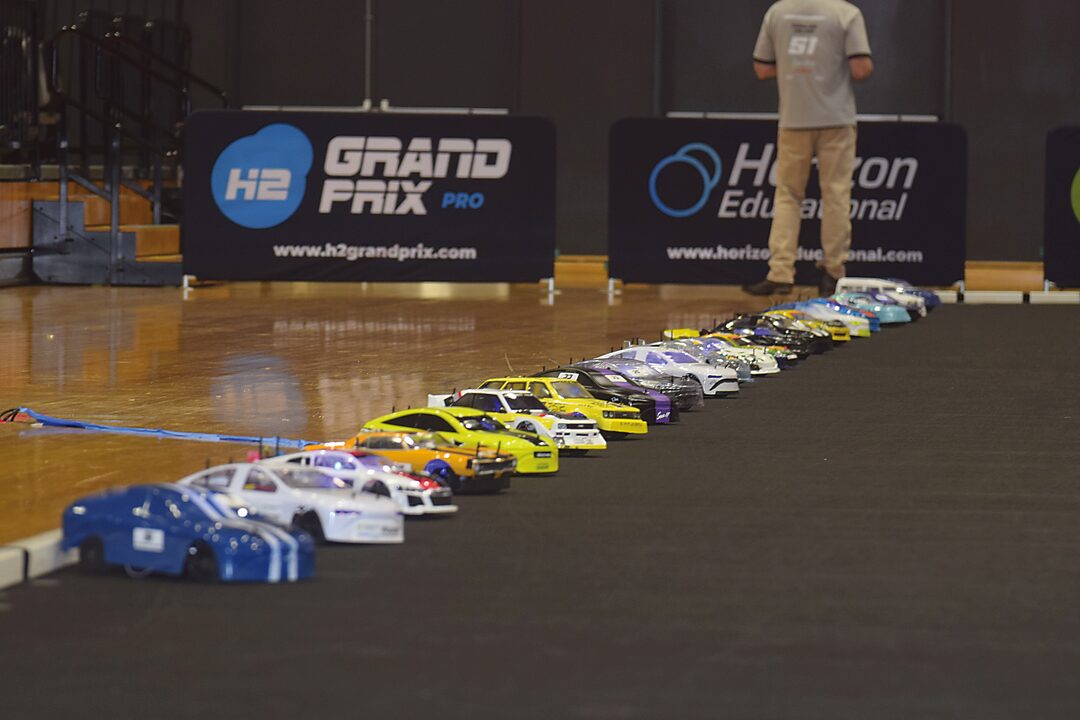
EXCITED students and spectators watched on as high powered model race cars, fuelled by hydrogen energy, flew around a circuit set up at Gippsland Regional Indoor Sports Stadium last week.
The H2 Victorian Grand Prix, which took place on August 18, served as the culmination of months and years spent studying and engineering their projects, potentially booking a ticket for a world event.
Budding high school students from Gippsland and broader Victoria, South Australia, New Zealand and India tested and designed their cars in the leadup to the Traralgon international qualifier, before they zoomed around the track for a four-hour endurance race.
A total of 23 teams, of which seven were local, toiled away at their work benches before putting the cars on the track.
After a practice run around the track, and as all cars were lined up, the signal to start the race indicated total carnage.
Within minutes, many cars had to be sent back to the team’s stations as they rammed into the barriers and other cars in gaining high speeds of up to 30km/h.
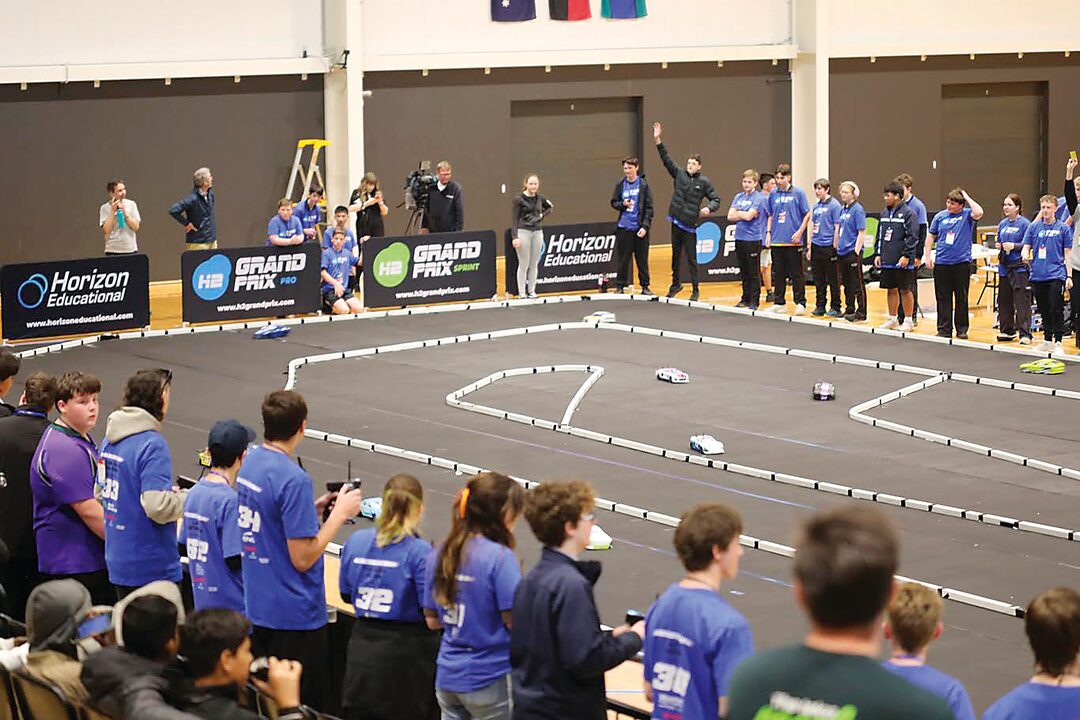
The winners were ‘Gas Powered Gremlins’ from a school outside Gippsland, and lodged their qualification for the H2GP World Final next year, typically held in Switzerland.
Students from Lavalla Catholic College, Traralgon College, Latrobe Valley Flexible Learning Option (LV FLO), Mirboo North and Korrumburra secondary schools made up local teams, following curriculum supported at the Gippsland Tech School.
“We’ve been working with them on a variety of different modifications, techniques for the race, learning about what hydrogen is, how it’s produced, stored and then used in providing clean energy for vehicles,” Gippsland Tech School Director, Paul Boys told the Express.
Mr Boys said that the extent of the students’ modifications and developments for their cars was entirely from what they had responded to from their learnings.
Before the race at GRISS, all teams had to present their cars to a panel to articulate what they’d learnt over the course of their project.
The competition, which was sponsored by many local industry partners, allowed students to grasp a range of potential career pathways such as physics, chemistry, automotive and other traditional trades.
Toyota Australia was one of the major supporters of the event, investing in hydrogen fuel cell electric vehicles for more than 30 years and releasing the Toyotra Mirai since 2014.
“It showcases the future is bright, the opportunities are bright, and there’s really good opportunities for students to succeed across this area,” Mr Boys added.
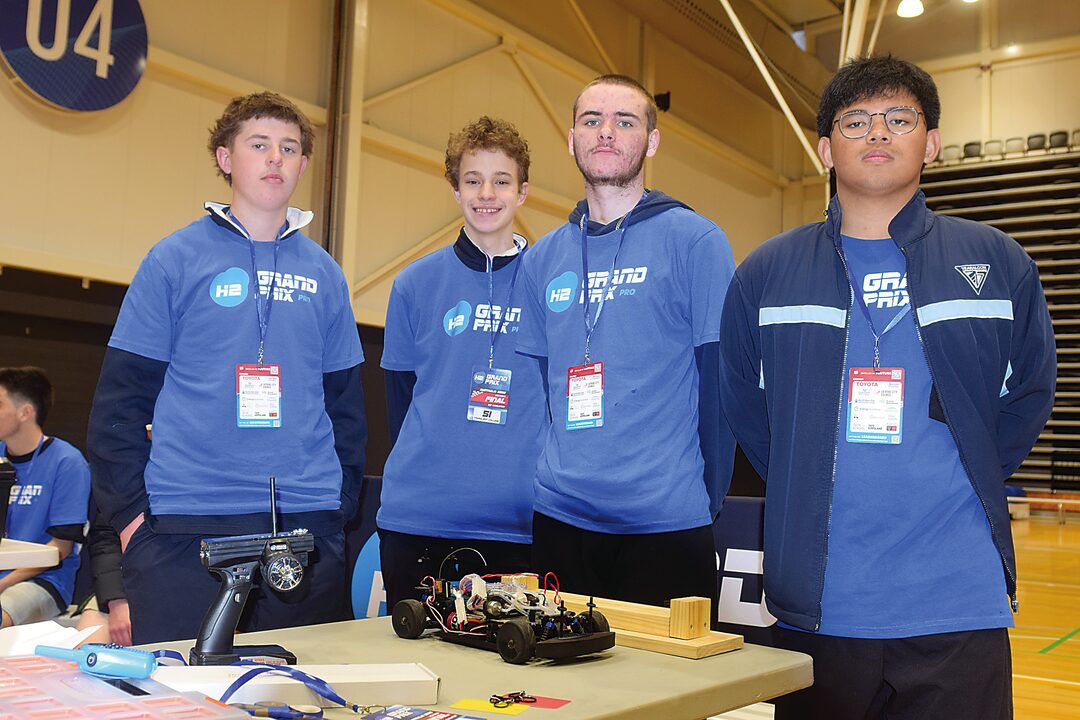
Throughout the course of the year, students have visited the tech school to learn about its STEM (Science, Technology, Engineering and Mathematics) program, then implementing it back at high school.
Lavalla Catholic College served as one of the more advanced local schools, having undertaken the hydrogen-powered model race car project before by being involved in the STEM program for the last three years.
VCE Systems Engineering classes have run at the school for decades, with VCE teacher Damian Symons saying the STEM program has given Lavalla students a chance to enhance and enrich their practical learning.
“It’s a wonderful program, the students are able to build and design and upgrade a car … there’s also a good overlap (with the VCE curriculum) and it gives students a chance to excel and to have a bit of a passion project (getting) out of the classroom a little bit and do some project work independently in a team environment,” he said.
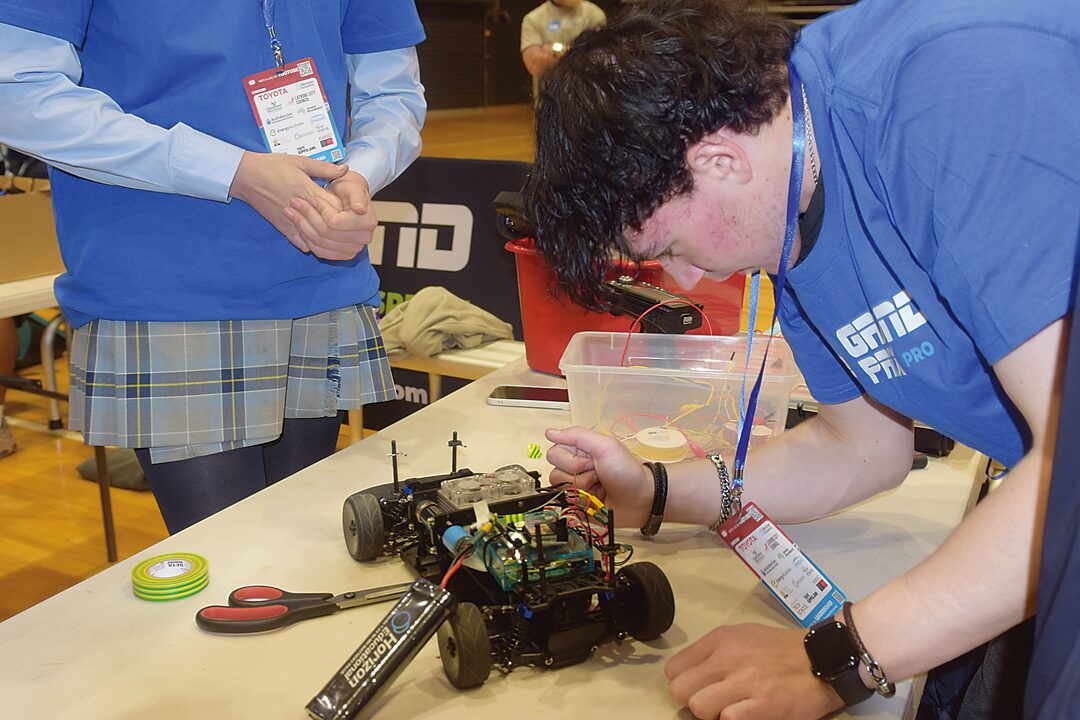
In partaking in the tech school’s program, growth among the student cohort has been sensed by Mr Symons, which could be used for employment later on.
“They can use this project work as a nice folio to demonstrate to employers and clients that they’re problem solving, they’re forward-thinking, and they’re proactive with their approach to school and to work and tasks,” he said.