




University graduates on a salary of $45,000 will begin repaying their student debt from Sunday, and students at Federation University’s Churchill campus have responded with concerns for when they enter the workforce.
On Tuesday the Senate debated the student loan legislation and the Coalition government succeeded in lowering the minimum income level for repayment.
Graduates will begin repaying their loan at a one per cent rate which will incrementally increase.
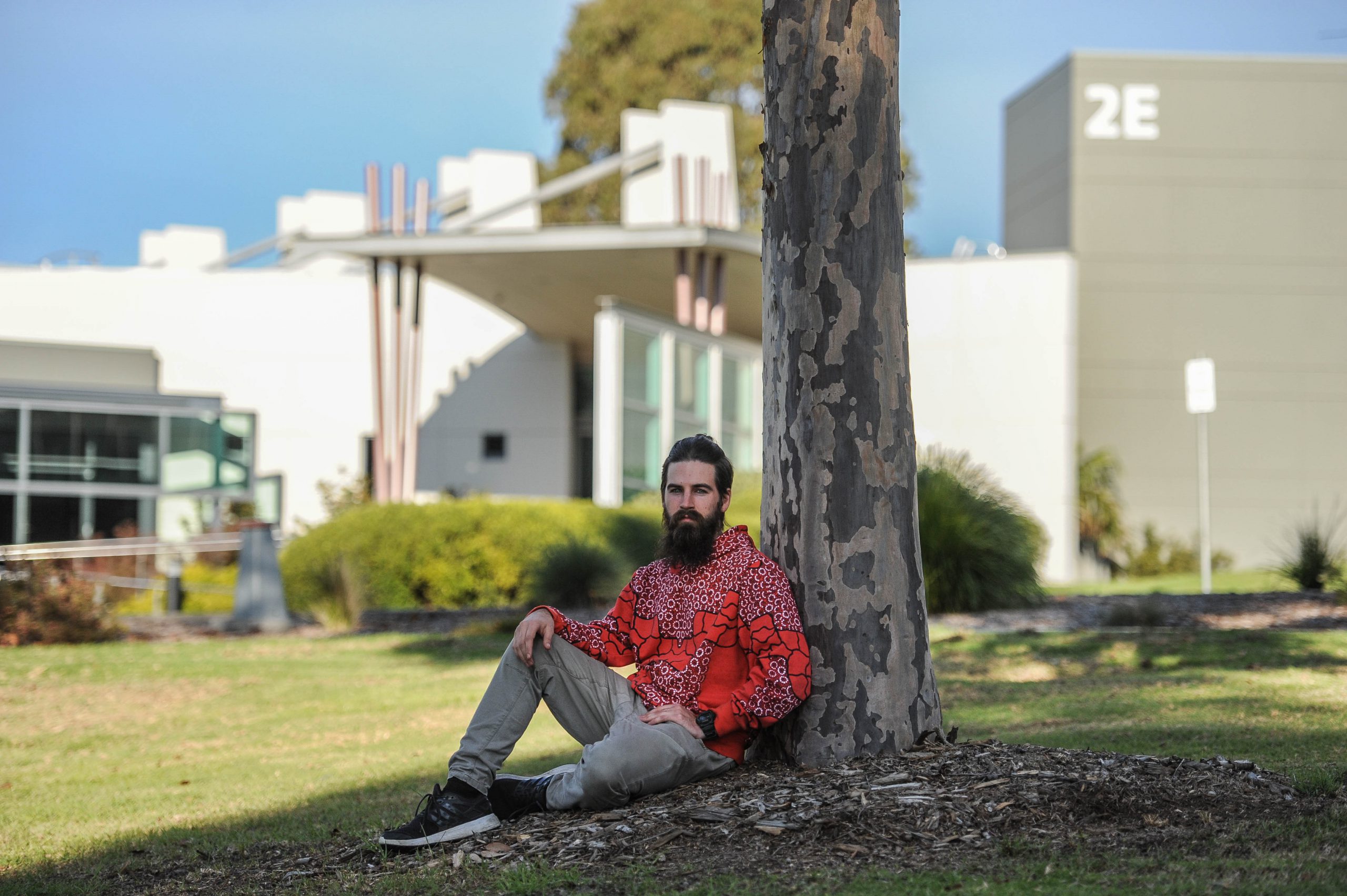
FedUni second-year outdoor and environmental education student Jaymes Lowe believes the changes will put him at a disadvantage.
“I’m not looking at a very well-paying job. I’m not going to be a lawyer or an engineer, I will find sporadic casual work when I can for the most part for the first year or two … if I get work in what I’m qualified to work in,” Mr Lowe, 25, said.
Federal member for Gippsland Darren Chester said the changes to the threshold would help ensure the long-term viability of the student loans scheme.
“Under this new program, students would be paying back $8-9 a week at the lowest levels,” Mr Chester said.
“As a matter of fairness, I believe it is appropriate for university graduates to make a contribution to the cost of their degrees once they are in jobs and are benefitting financially from the quality education they have received.”
The legislation also places a cap on the limit students can borrow under HELP, which is $104,440 for most students.
Mr Lowe, a Traralgon father of three, said he had already gathered about $30,000 in debt after starting a couple of other courses and finally settling on one he was passionate about.
Tierney Evans, 20, is studying a double degree in education and arts at FedUni and seeks to work as a secondary teacher in a regional area.
She believes paying off her student loan earlier than expected would inhibit her ability to take on more experiences which would help her up-skill early in her career. “We [people in regional areas] generally do have lower incomes than people in cities so [any] money you can get is pretty much everything and being a young person as well, money is even more stressful,” Ms Evans said.
Mr Chester said changes to the threshold would have a lesser impact on country communities.
“It is worth noting that students in regional areas undertake university studies on a less frequent basis than their city counterparts,” he said.