



By PHILIP HOPKINS
AN independent report by the Auditor General on the closure of Victoria’s native forest industry has found that despite budgeting $1.5 billion to shut the industry, the state government cannot show whether displaced timber workers are better off.
The report found that most timber workers were employed full time, before Labor’s forced shutdown.
Post transition, however, most workers were pushed into casual or insecure jobs, with little prospect of stable, long-term employment, the audit found.
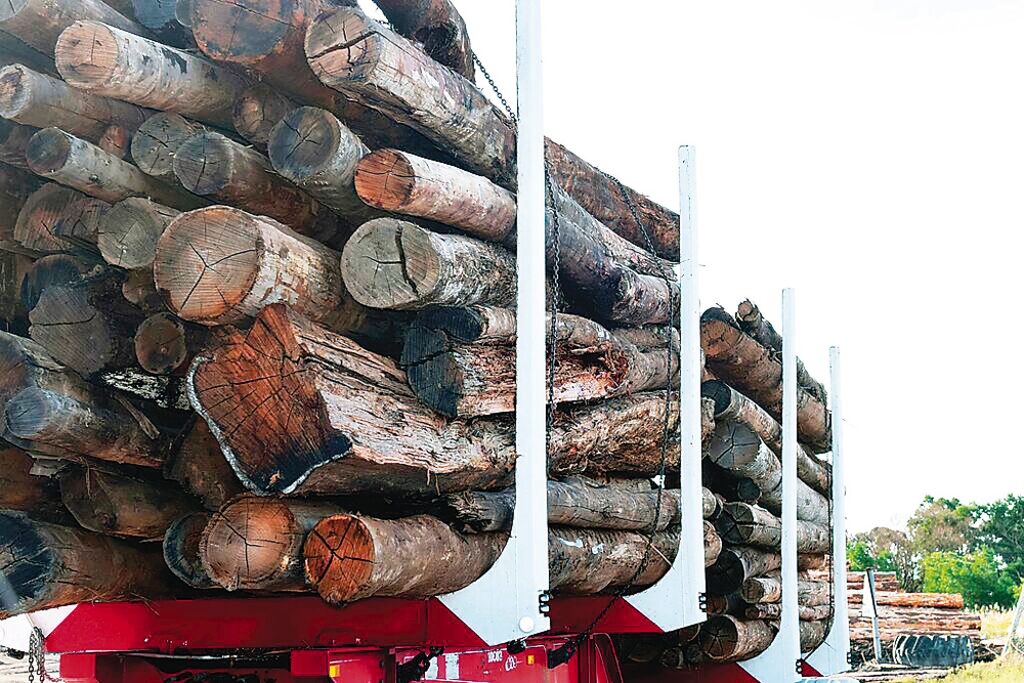
The decision to end native timber harvesting on public land affected more than 1000 timber workers and more than 200 businesses in Victoria, many in Gippsland and the north-east.
In 2019, the government announced a strategy to phase out native forest by 2030, but in 2023, it brought forward this decision to January 1, 2024 – six years ahead of the original schedule.
The audit said the program supported workers, businesses and communities, but found issues with how the Department of Energy, Environment and Climate Action administered it and assessed its outcomes.
Key conclusions included:
A total of 87 per cent of workers made redundant were in new jobs or had retired, but full time roles had fallen from about 80 to 60 per cent, while part-time, contract and casual roles had increased.
“It is not clear if workers’ new jobs meet their needs or are sustainable. All businesses looked at are still operating,” it said.
The department’s had a well-designed program of grants and support packages, but it was unclear if the guidelines were applied consistently.
“We found gaps in the department’s records about its decisions, including payment approvals without records of how it verified eligibility. This reduces transparency over how it has allocated support and increases the risk of ineligible payments,” it said.
The department is also not adequately monitoring the program’s effectiveness. It cannot reliably show outcomes, such as job security or business viability, or know if businesses and workers will need more support after the program’s scheduled end in 2026.
The audit found that the Worker Support Program had supported 98 per cent of its registered participants, the department awarding $31 million in worker support payments.
As at June 30, 2025, 565 workers were made redundant and were eligible for support.
The program has supported 377 of them to get new jobs and 112 retired.
A sample of 30 businesses that received grants were still in business by last September and had pledged to retain at least 326 existing jobs and create up to 80 new positions.
The department collected information about the new jobs but not about the new income levels nor whether the jobs meet their needs.
“This means the department cannot show if the program is achieving its objectives to help workers find sustainable employment,” the audit said.
A total of 137 new jobs had been created and 436 jobs retained, but results to date do not give a full picture of job creation and are not supported by evidence.
“This means the department cannot yet show how the program is supporting job creation or if businesses are effectively transitioning,” the audit said.
The report said the department’s monitoring shows what the program has delivered, but not its outcomes.
The Nationals’ Member for Eastern Victoria, Melina Bath, said timber towns continued to pay the price for Labor’s reckless closure of the native timber industry.
Ms Bath said the report confirmed Labor’s transition failed to deliver secure jobs or sustainable livelihoods, validating the first hand experience of workers and regional communities.
“Job quality has declined and employment is less secure, with Labor failing to track income or job security outcomes. These are not the markers of a successful industry transition,” she said.
“Instead of transitioning and supporting displaced workers, Labor’s plan has driven economic instability that continues to harm regional communities.”
Ms Bath said the findings revealed serious failures in Labor’s governance and oversight, including its inability to verify retraining completion or employment outcomes.
“Accountability was inconsistent, worsened by Labor’s reliance on highly paid consultants. The Allan government has no credible plan beyond 2026 to manage the ongoing impacts on workers and affected communities,” she said.
“The report confirms Labor shut a sustainable industry first and considered the consequences second.”