



CRICKET
By LIAM DURKIN
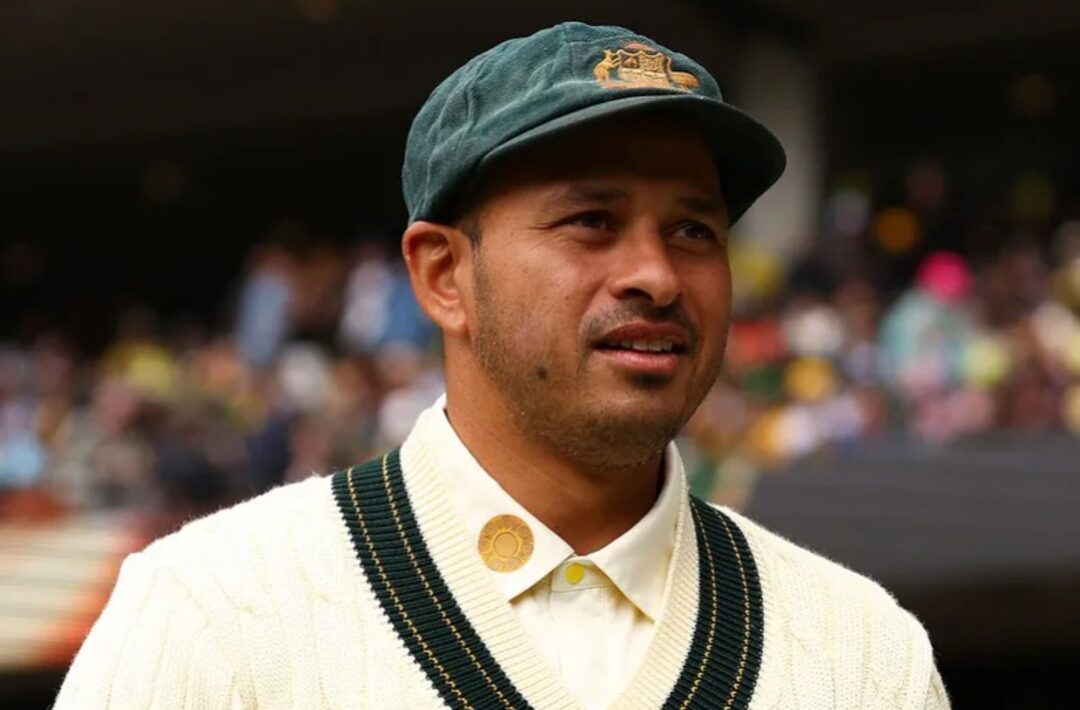
YOU call that cheating Uzzie?
Come and play bush cricket in the country champ.
Not to encourage cheating, but just for a bit of fun, the following are some of the more dubious tactics this writer has seen in his 15 or so years playing local cricket.
It makes using sandpaper look like mere child’s play.
_______________________________________________
BYO ball
COME on.
It doesn’t get much more corruptible than this.
Clubs not only buy their own balls in local cricket – they bring them to the game.
A new box of balls means no two are exactly the same.
Some have more pronounced seams, or a darker shade.
Often, the bowlers will choose the ball they want to use for Saturday out of the batch on a Thursday night.
For two day games, the umpire is usually required to take the ball with them after Day 1.
Except when they forget, which is often the case, and you can only imagine what clubs might do to the ball during the week.
_______________________________________________
Put the cones out
IT’S not always ‘the same for both teams’.
The painted boundary line that exists during footy season is gone by cricket season.
In its place are plastic cones, separated every 10 or so paces.
No physical line can mean no telling if a ball goes for four, or if a catch is taken inside the rope.
That honesty falls solely on the fielder.
In a close game, or if a key wicket is on offer, players are going to take every advantage they can.
The tricky part is a diving effort on the fence, where the ball may be in but the feet touching the cushion that isn’t there.
Two day cricket is even worse. Most people would have played in a game where the cones were noticeably closer or taken out further on Day 2 depending on who was batting.
Some players go to the length of jotting down the measurements on Day 1 just to make sure nothing sinister takes place seven days later.
A few clubs get around this by having a physical rope. Bundalaguah for instance has an old shipping rope permanently fixed around its boundary.
It is not only on the boundary where conditions can alter.
I played some lower grade Victorian Premier Cricket in my 20s, and we were actively encouraged to use our spikes to rough up the batsman’s guard markings on the popping crease.
Suffice to say the same tactic wasn’t appreciated when I brought it back to Gippsland.
_______________________________________________
Zip pockets
NEXT time you play cricket, take note of which players are wearing pants with zip pockets.
And note how often the ball is thrown to them in the field, and how much work they put into it.
Also note how little saliva is being applied to the ball.
Like the Aussies in Cape Town, this is done for no other reason than to get the ball reversing.
A rough side and another side with as much heat trapped in the ball as possible from dry shining means it will ‘start going’ earlier.
I’ve played in games where the ball has started reversing as early as the 35th over.
Zip pocket variations include bottlecaps, while pink jellybeans are often thought to be the most effective and specific substance to get the ball hooping.
Zip pockets are banned in international cricket. Good luck trying to police it in local cricket.
It was said that a ball used in a Central Gippsland Cricket Association grand final this century was actually sent to Cricket Victoria for investigation.
Perhaps conveniently, or probably because no one at CV could be bothered dealing with allegations from a game maybe 50 people attended, nothing ever came of it.
_______________________________________________
Second days
EVERYONE has played in one of these.
What resembles an autobahn on Day 1 magically becomes 22 yards of wet cement on Day 2.
Conditions naturally change in cricket, it’s just that they can change a lot more depending on who is hosting and who wins the toss.
Council sprinklers capable of watering in a very particular area of 20 square metres usually mount a Lionel Hutz-style defence upon inspection of a dicey Day 2 deck.
That or a hurricane that blew the covers off on Friday night, or a mower that decided to break down just after the inner ring, are also frequently cited.
For this reason, I’ve always maintained that the last round of the regular season should be a one dayer.
Finals places are usually on the line, and it just removes the possibility of any protests being lodged.
_______________________________________________
Net bowling
WATCH a local game from side on, and you will be amazed how many front foot no balls aren’t called.
Bowlers know this all too well, and will purposely overstep the mark, just like in the nets.
They will also bowl when the batsman isn’t ready, just like in the backyard, or from behind the umpire, just to see what they can get away with.
Pay close attention to the last over before drinks as well.
Umpires generally have their focus on the break, so bowlers, even spinners, will often deliberately bowl a no ball to see if the umpire is actually paying attention.
If they are, it can still be a useful tactic against the batsman. All batsman want to do in that situation is make it to drinks. By bowling a no ball on purpose, it adds to the pressure of facing an extra delivery.
_______________________________________________
Pick your moment
GROUNDED catches being claimed, kicking the ball over the fence to keep the less capable batsman on strike, or giving a 60-40 appeal not out at square leg, are all common cases of the rules being bent to suit.
Players also know which umpires are prone to giving a certain mode of dismissal, or which ones simply love to feel involved by giving everything out.
My own club is no exception. If we know we have an umpire that belongs in the latter category, we have said in team meetings to “go up for everything”.
A prolonged appeal that sounds confident but isn’t out can sometimes convince an umpire to raise the finger.
While this may sound like blatant cheating (which it is), most club cricketers view them as ‘square-ups’.
They are square ups for the number of catches that go to second slip that aren’t given out, or when the life member of an opposing club has been appointed to officiate a game involving their own team.
For players, that is where most of their frustrations lay.
_______________________________________________
Arvo tea
ERIN Patterson areas.
Yes, you can absolutely cheat during arvo tea.
The home club provides the banquet, and only they know where the food has been.
Sandwiches loaded with Nando’s hot sauce have been handed to the visiting team, especially if they happen to be bowling.
Drinks breaks after tea are therefore sought after even more for other reasons.
_______________________________________________
Rules? What rules?
THERE are laws of cricket, and there are by-laws of leagues.
That doesn’t stop officials changing them though, or clubs exploiting them.
A washout means a lock in and naming players to qualify them for finals.
Getting to February and realising some players won’t qualify means changing team sheets as well.
Even earlier than that, clubs can make their path to a premiership much easier.
“Our twos are going to struggle this year, can we play in the lower division?” Tick.
Much like backyard cricket, league laws have been changed on the run.
Much like local council, clubs will also pull out the most obscure laws in order to suit their cause.
If it’s clear ladder positions will be tight on the eve of finals, clubs have been known to try and dock opponents for things like slow over rates.
If a team is batting on Day 2 and suddenly has a player become available that wasn’t originally listed, a simple email to the club and league can be all that’s needed to bring in the extra bat.
The phrase “They just make it up as they go” is commonly heard when instances like this happen.
Talk of certain clubs getting an easier ride to premierships due to cricket’s mafia is a tale as old as the game itself.
Go back through the history books, and it is startling to line up premiership teams with the home clubs of high-ranking league officials at the time.