


AS H5 bird flu continues to spread among wild birds along much of Victoria’s coastline, the requirement for targeted biosecurity measures to be implemented in southern parts of the state has been extended for another 28 days from September 19, 2026.
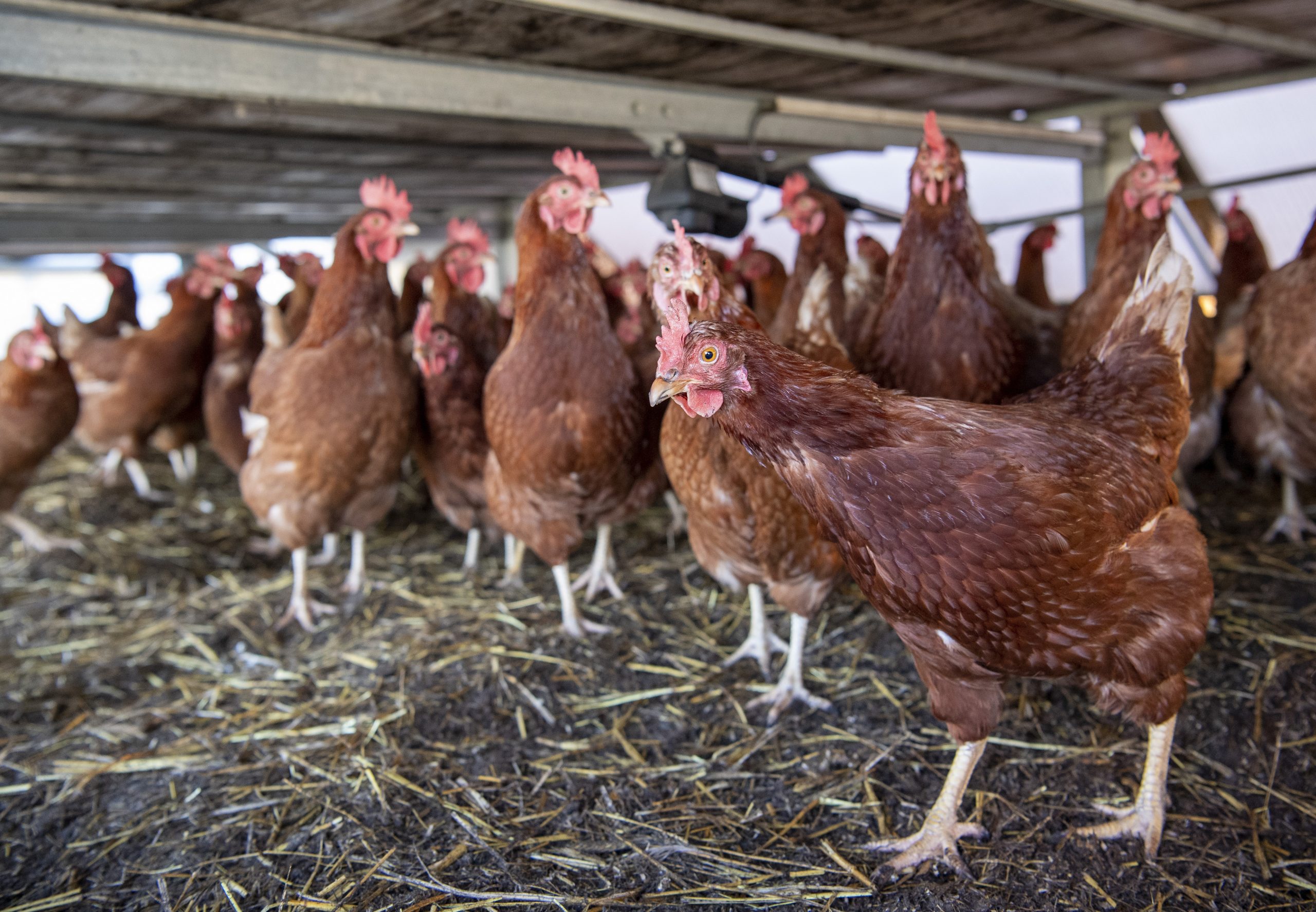
Under the requirement, those who own or are in control of 50 or more poultry in southern local government areas, including metropolitan Melbourne, must continue to confine their birds in a manner to prevent contact with wild birds, their droppings and any environments accessed by wild birds.
Recent disease events have largely involved seabirds and shorebirds that generally remain close to the coast, meaning poultry in coastal and southern regions continue to be at heightened risk of exposure.
The best defence against the spread of H5 bird flu into poultry is strong biosecurity measures, including practices that restrict contact between poultry and wild birds.
The temporary requirement will continue to be reviewed based on current disease activity and the risk H5 bird flu poses to poultry.
“With coastal regions across the state continuing to see the impacts of H5 bird flu in wild bird populations, the requirement for strong biosecurity measures is necessary for poultry owners to protect their birds from H5 bird flu,” Acting Chief Veterinary Officer Cameron Bell said.
“Poultry owners are expected to implement achievable measures to minimise contact between poultry and wild birds, in combination with other biosecurity measures.
“Practical measures can include restricting access of poultry to higher-risk areas, reducing the area or time birds are outside, improving exclusion of wild birds from sheds or yards, and protecting feed and water from wild bird access.”
It is recommended that poultry owners outside of the specified local government areas also put practices in place that prevent direct or indirect contact between birds and poultry with wild birds, in combination with other biosecurity measures.
The Australian Competition and Consumer Commission (ACCC) has advised non-enforcement of free-range labelling applies for up to 90 days while a poultry confinement requirement or recommendation is in place.
Agriculture Victoria continues to consult with poultry industry leaders and appreciates their ongoing support of this approach.
There have been no H5 bird flu detections in poultry or livestock in Australia, and no movement restrictions are in place for poultry.
It’s important that poultry owners review their biosecurity plans, remain alert for signs of disease and stay up to date with the latest advice.
If you see sick or dead birds or wildlife, report it via the Agriculture Victoria website or call the Emergency Animal Disease Hotline on 1800 675 888.
To keep up to date with Victoria’s response to H5 bird flu, visit agriculture.vic.gov.au/birdflu