



By AIDAN KNIGHT
THE office of state Minister for Energy, Lily D’Ambrosio has stated the Waste To Energy (W2E) project previously planned for Maryvale is actually a matter for the Minister for Environment.
The misleading title of a ‘Waste To Energy’ project has resulted in some undue accusations against the Ms D’Ambrosio’s folio.
Ms D’Ambrosio was the state member to first announce the W2E project in July 2022, at which time she actually held the environment folio herself.
The Maryvale W2E project faces post-VCAT delays and has put 500 local jobs at risk.
The Shadow Minister for Energy, David Davis, was quoted by The Endeavour Hills Star Journal (May 19) calling out Ms D’Ambrosio for allowing the project to be delayed with no explanation.
A spokesperson from the office of Ms D’Ambrosio hit back, saying “The Shadow Minister for Energy and Emissions Reduction, who is seeking to become the Minister for Energy and Emissions Reduction, doesn’t actually know what he would be responsible for if he became the sworn minister”.
Mr Davis rejected this, telling the Express, “For the failed Energy Minister Lily D’Ambrosio to walk away from any interest or involvement in waste to energy projects simply misses the point. She and Labor ought to be insisting on a wide variety of new energy projects coming forward, subject to appropriate approvals, including environmental approvals.”
Despite this back-and-forth, there has been no formal comment from any Minister in the Allan Labor government on what will happen next following the VCAT ruling, leaving 500 jobs in the Latrobe Valley hanging in limbo.
The Maryvale site joined the W2E project in August 2024 when the tender between more than a dozen Victorian councils was won, marking the official greenlighting of a project which had been in the works since 2020.
It was the first site to be granted an Energy from Waste license under the state’s circular economy laws.
Two days after the Express reported the pending VCAT decision in its May 20 issue, the Victorian Parliament announced that the Legislative Council Economy and Infrastructure Committee would hold a further public hearing on May 26 for its inquiry into waste-to-energy infrastructure in Victoria.
The hearing featured witnesses from organisations such as the Waste Management and Resource Recovery Association Australia and the Environmental Protection Authority Victoria. The Committee will report its findings by August 2026.
The topic of Waste to Energy also made a prominent motion at the Latrobe City Council May meeting.
Council unanimously agreed to prepare a submission to the state government, providing a local perspective of the internal impacts (positive and negative) on the project, following it’s sudden limbo on April 10.
Supporters argued the Maryvale proposal offered more than jobs – it represented a rare opportunity for regional Victoria to host critical waste-processing infrastructure, cut transport costs and keep responsibility for the state’s waste closer to where it’s generated.
Deputy Mayor Dale Harriman, while in support of the concept, also noted that the community was concerned about the effects of burning waste, as well as setting a precedent of regional areas accepting large amounts of metro waste, effectively as a dump zone, of items that include toxic items such as plastic, Styrofoam and nappies.
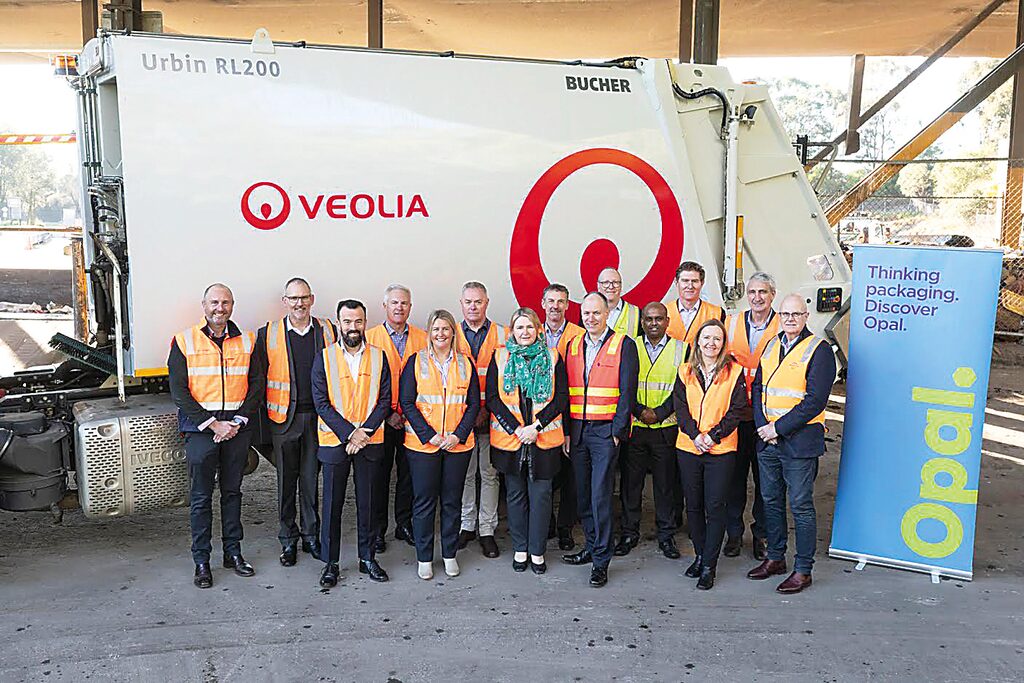
Veolia remains a key participant in the project’s development, and the Paris-headquartered company has taken big swings this year in an attempt to secure a monopoly over the future W2E industry in Australia – engaging in a tight race against Spanish giant Acciona to acquire a Perth plant in East Rockingham last year.
This cost taxpayers and lenders more than $1.5billion to construct, compared to the $600m poured into the Maryvale facility.
In 2024, Veolia was fired from running the only other existing plant in the country, located in Kwinana (also in Perth), after it was acquired by their Spanish competitor.
It is estimated roughly $6 billion has been spent on waste to energy so far in Australia (despite there being no maintained registry of W2E investment publicly available), over the last decade. Australian ownership in these projects is also thought to be well under 30 per cent.
Outside of the Latrobe Valley, the sites at Maryvale and Hampton Park pose a real issue for South-East Melbourne, should the incinerator project not go ahead, with the last landfill set to close by mid-2027.
Whatever the final decision on the Maryvale proposal, the responsibility now sits with the state to clearly explain what happens next.
With the project paused and the regulatory pathway uncertain, the government will need to provide timely, transparent updates so councils, industry and residents aren’t left navigating the vacuum.
That expectation extends to ministerial accountability. Following the previous W2E coverage, the Express was informed that Ms D’Ambrosio’s office would arrange a response from Environment Minister Enver Erdogan. Twenty-nine days later, a response was received, with Minister Erdogan stating, “The EPA, Recycling Victoria and planning authorities will ensure that any successful waste to energy facilities meet the short and long-term needs of the Victorian community”.
“Many of the proposed facilities are in the early planning stages and as there have been no applications from cap recipients submitted to EPA and DTP, those entities are not yet able to share detailed plans with communities. That means formal community consultation on any operational details are yet to take place and communities are yet to have information about the nature of the proposed facilities, or the measures operators are required to take to protect amenity, human health and the environment. For non-recyclable materials, well-managed and limited thermal waste to energy presents a viable and preferable alternative to landfill because it recovers energy and ultimately reduces emissions associated with managing residual waste.”