


By PEACE IJIYERA
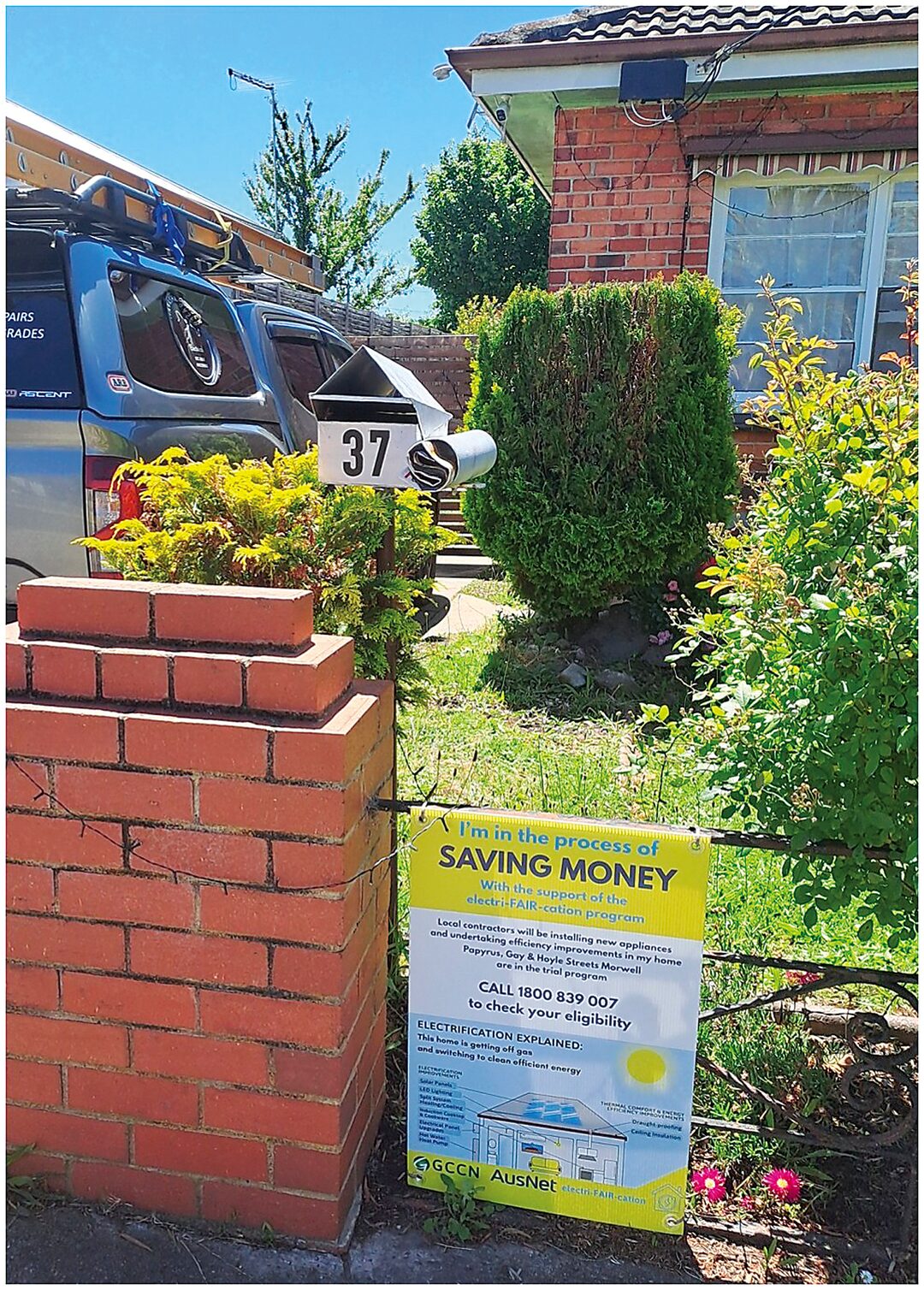
A COLLABORATION by AusNet and Gippsland Climate Change Network (GCCN), the Morwell ElectriFAIRcation project is a $1.5 million project trialled to assist households that are facing financial difficulties to switch from gas to an all-electric home.
A session presented at the Gippsland New Energy Conference (GNEC) was held to inform individuals of the project and share the steps taken; from building trust through community engagement, to planning and project completion.
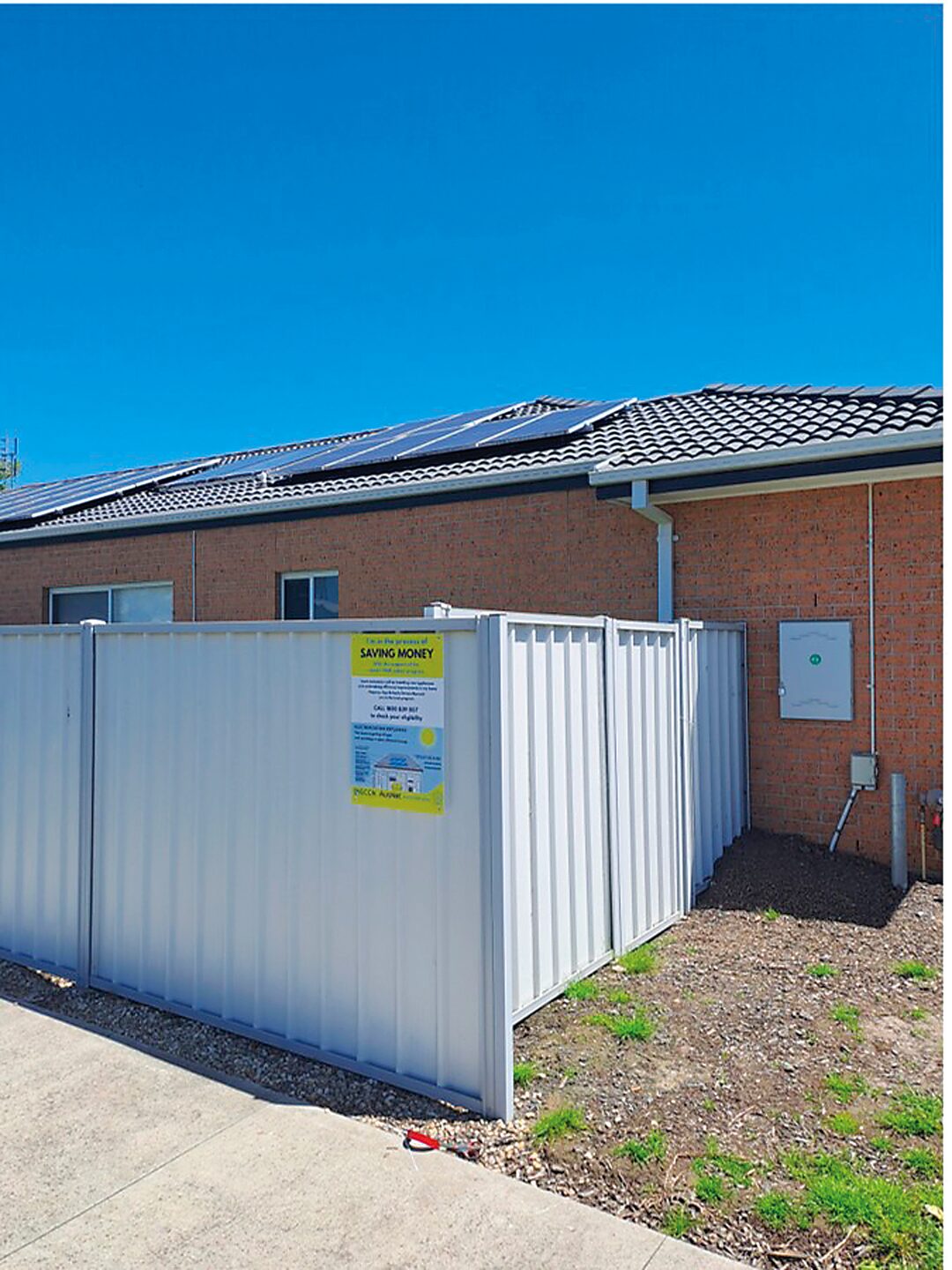
Across Vary Street, Tarwin St, Papyrus St, Gay St, Hoyle St, Rintoull St and Churchill Road, Morwell, 39 homes have been electrified, and 13 are currently undergoing the electrification process.
The upgrades include installing solar panels, LED lighting, split system heating and cooling, induction cooktop and cookware, electric panel upgrades, hot water heat pump, draught-proofing and ceiling insulation.
From construction to project completion, the electrification process varies depending on required upgrades, but generally takes around three months.
At the GNEC session, project officer from GCCN, Michael Hafner, spoke about the customer aspect and the experience of partnering with AusNet to deliver the project.
He acknowledged some of the concerns households had around electrification. Particularly concerns around “energy resilience” and not being able to cook in the case of a power outage.
Through customer engagement in an area where the SEIFA (socio-economic indexes for areas) score is 850 (national average is 1000), it became clear that electrification wasn’t a priority for Morwell households. Highlighted concerns for households were around the rising cost-of-living, housing quality and amenity’s, the lack of knowledge around new technologies, power outage resilience, health and family, and the tenant and landlord relationship.
“So, we found that our job wasn’t to simply tell the residents why they should electrify, it was to understand what these consideration and priorities were and which of these were most important, and how we could phrase the benefits of electrification as a solution to those particular needs,” Mr Hafner said.
Program manager, Grid Evolution from AusNet, Ana Erceg, said that building trust with communities to deliver this project was paramount.
“Building trust was critical to the success of the program. Many residents were initially cautious and felt the offer was ‘too good to be true’,” she said.
“Trusted local organisations such as Gippsland Climate Change Network and Morwell Neighbourhood House played an important role in helping households feel comfortable getting involved. Local tradespeople, word-of-mouth recommendations and community connections also helped build confidence in the program.
“Strong local relationships were among the most important factors influencing participation.”
So, did the electrification of homes reduce energy bills? Ms Erceg said while the trial had a specific focus on understanding customer experience and how electrification may impact the electricity network, many households reported reduced energy bills post electrifying their homes.
“Households that fully electrified their homes, including upgrading appliances, insulation and draught-proofing, saw an average 44 per cent reduction in their total energy bills after removing gas,” she explained.
“Many participants said electrification also reduced their anxiety about energy costs, allowing them to keep their homes warmer in winter and cooler in summer without feeling the need to ration their energy use.”
The program received a 9.5 out of 10 satisfaction rate from households.
“Participants reported warmer homes in winter, reduced concerns about energy costs, improved air quality, and a better overall quality of life after transitioning away from gas. Many also valued the support of a dedicated coordinator who guided them through the process and helped make electrification simple and stress-free,” Ms Erceg said.
The project also received high marks from a review done by research fellows from the University of Melbourne. Emma Kaye and the team were tasked to review the project from a customer service perspective, gathering customer perspectives before installation, immediately after installation and a few months later. Where possible, they also recorded seasonal changes.
GCCN Chief Executive, Darren McCubbin, extended his thanks to the households in Morwell who participated in the project, describing their attitudes towards the project as “tremendous”.